Dallas Mavericks: Flagg and Irving's Rising Duo
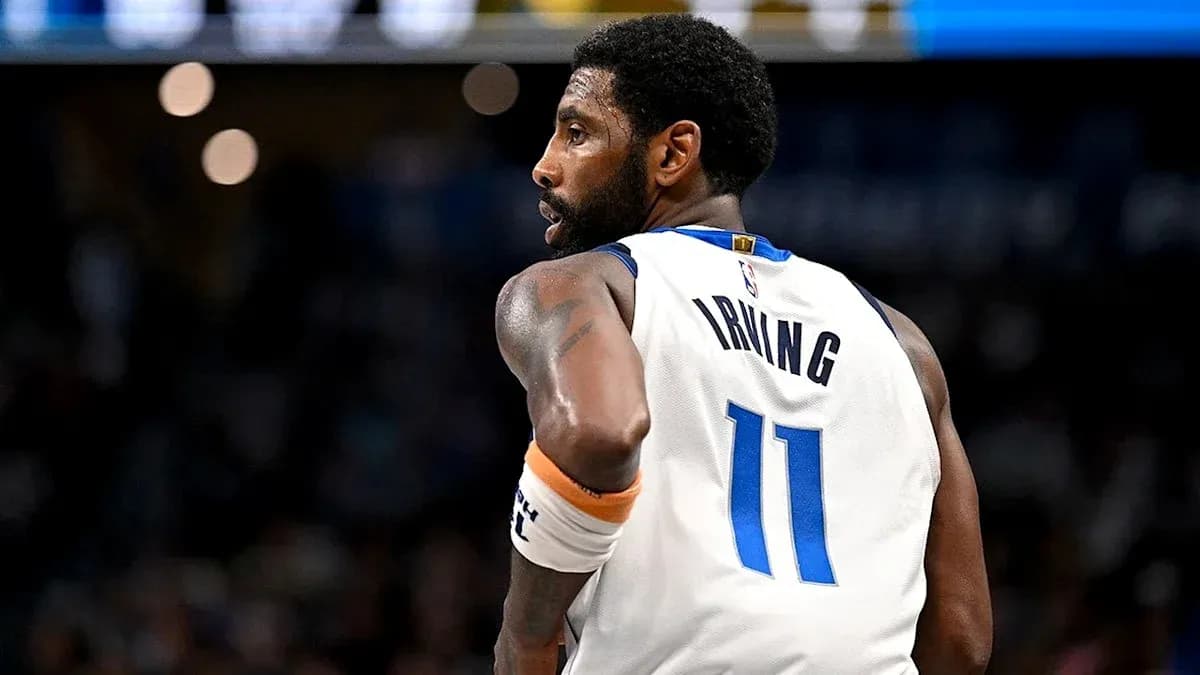
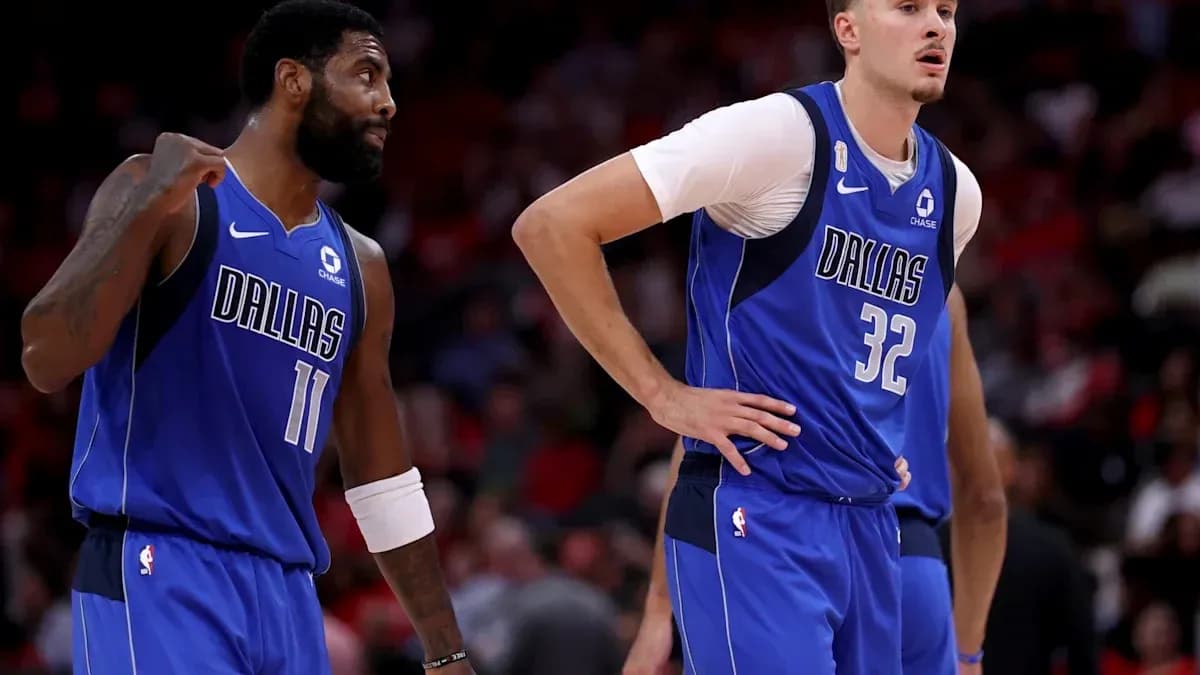
Kyrie Irving has played with young stars before. He’s seen the hype, felt the pressure, lived the scrutiny. So when he looks across the locker room and calls 19-year-old Cooper Flagg a “young prodigy” chasing superstardom, it lands differently.
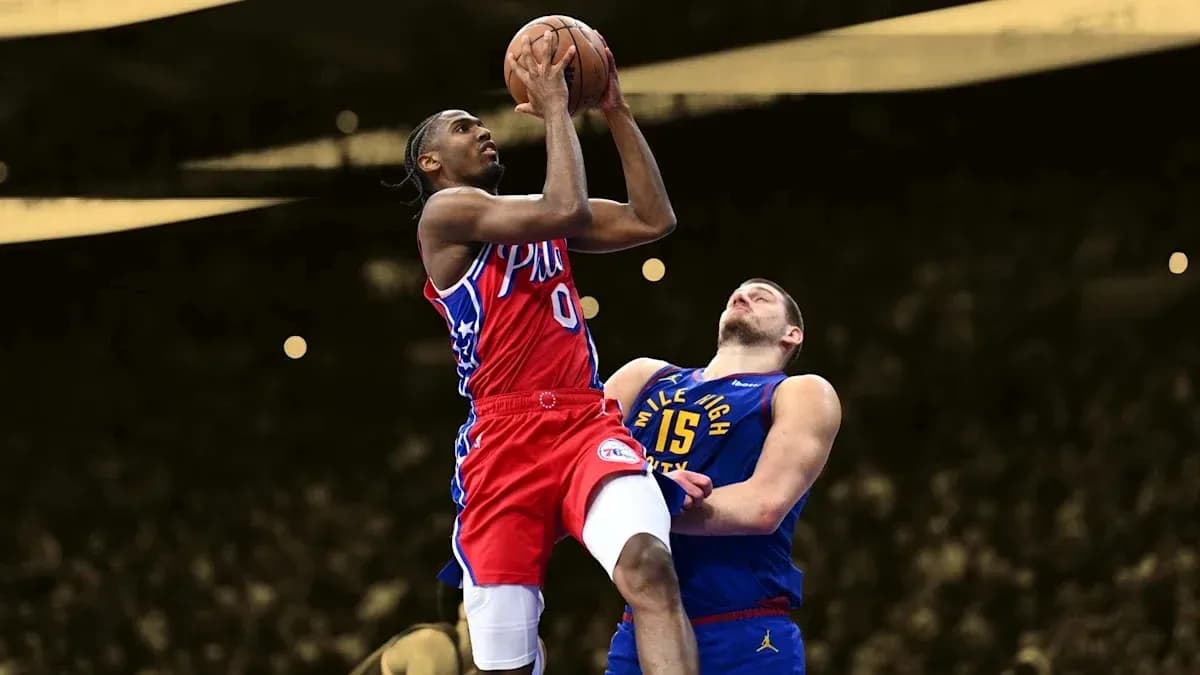
On November 24, in a 120-101 win over the Denver Nuggets, the Dallas Mavericks looked every bit like a team intent on crashing the NBA hierarchy. They moved to 3-0 in the NBA Cup, seizing control of their group and, more importantly, sharpening the identity of a side suddenly brimming with belief.
At the heart of it: the unlikely but increasingly lethal pairing of a resurgent Irving and a teenager already bending games to his will.
Flagg’s fingerprints all over it
Flagg’s box score jumps out first: 24 points, six rebounds, 12 assists. That line would be impressive for a seasoned All-Star. For a 19-year-old still months away from his 20th birthday, it’s something else entirely.
This wasn’t even one of his cleanest shooting nights. He misfired more than he’d like, felt Denver’s physicality, and still dictated the game. When his jumper wobbled, he leaned into everything else. He rebounded in traffic, pushed the pace, threaded passes through tight windows, and turned defensive possessions into runway opportunities for Dallas.
His playmaking sliced the Nuggets open. Twelve assists from a rookie guard would usually scream “outlier.” With Flagg, it’s starting to feel like the baseline.
He’s now averaging 24.3 points, 6.7 assists and 6.3 rebounds on the season, numbers that echo the early-career noise once reserved for LeBron James, only with a style that feels perfectly tuned to the modern game. Switches don’t bother him. Space is his ally. He reads help defenders like a veteran.
Irving’s message: I’m not done yet
If Flagg is the future, Irving is making sure nobody forgets about the present.
His own line against Denver – 11 points, five rebounds, six assists, and a game-high +21 – won’t dominate highlight reels. It doesn’t need to. His control of tempo, his poise late in the clock, and his ability to tilt matchups in Dallas’ favor gave the Mavericks a steadying force every time the Nuggets threatened a run.
Irving’s words afterward carried an edge.
“Seeing another young prodigy, a 19-year-old, go after superstardom, I feel like I'm a great complementary piece for that. But also myself, I'm established… I don't feel like a lot of people can guard me."
That last line matters. It speaks to a player who doesn’t see himself as a mentor on the way out, but as an elite guard still capable of taking over when needed.
Since returning from a torn ACL, Irving has looked like a man intent on rewriting the narrative of his career. He’s averaging 21.3 points, 4.7 assists and 3.7 rebounds with strong efficiency, steadily ramping up his rhythm after a long layoff. Dallas, who staggered through a tanking season a year ago, suddenly resemble something far more dangerous: a team with two high-level creators who can both initiate and finish, and who understand how to share the stage.
Dusty May’s balancing act
Credit, too, goes to coach Dusty May. He’s found a balance that many teams with dual stars never quite crack.
Flagg has the ball enough to grow into the franchise centerpiece his numbers suggest. Irving has the freedom to pick his spots, attack mismatches, and close quarters with the craft and shot-making that made him a champion. The rest of the roster, freed from the burden of overextension, slots more naturally into roles around them.
May hasn’t squeezed everything out of this group yet. You can see that in the occasional misread, the stretches where the offense stalls, the defensive lapses that remind everyone this is still a work in progress. But the framework is there. A teenager posting All-NBA-caliber numbers. A veteran star rediscovering his edge. A coach stitching it all together.
The ceiling? That’s the intriguing part. It still feels distant.
A dark horse taking shape
For now, the NBA Cup offers a perfect proving ground. At 3-0, Dallas are in pole position to reach the knockout rounds, and those high-stakes, single-elimination nights could accelerate everything: Flagg’s education, Irving’s comeback arc, May’s system.
A deep run in this tournament won’t hang a banner. It might do something more important for a group at this stage of its life cycle: harden belief.
Last season, the Mavericks were a team searching for direction. Today, with Flagg surging toward stardom and Irving reminding everyone he is far from finished, they look like one of the league’s most intriguing dark horses.
If this is how they look in November, what happens when Flagg turns 20 and Irving’s legs are fully under him?