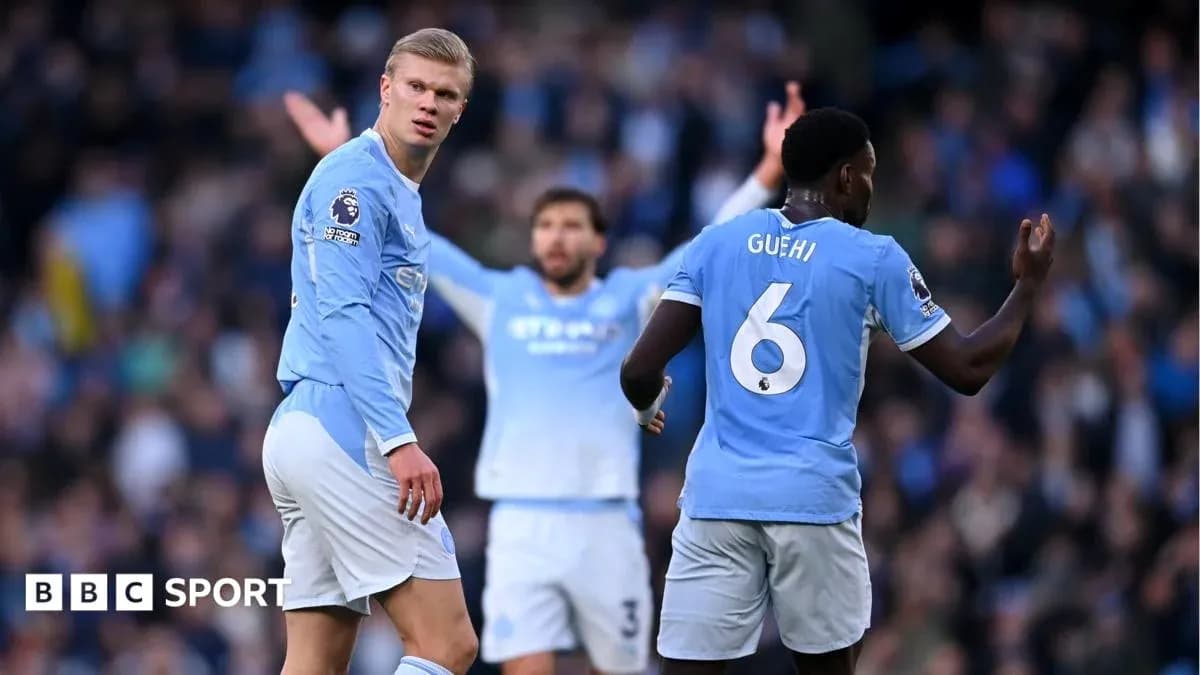
Elliot Anderson Sparks Manchester City Comeback
The Etihad had been restless, anxious even, when Elliot Anderson stepped into the moment.
A loose ball dropped from the Manchester sky, begging for conviction. Anderson obliged. He met it flush on the volley, the technique pure, the contact brutal. The ball ripped past Bernd Leno, and a stadium that had been grumbling about tempo and tension suddenly snapped back to life.
City had been searching for a spark. Anderson lit the fuse.
City rattled, Fulham resolute
For long spells, this had been an awkward afternoon for Manchester City. Fulham arrived with clarity, discipline and a plan that refused to bend. They pressed with purpose, sat in when they had to, and pounced on City’s uncertainty at the back.
Joe Hart, watching on, summed it up: City looked vulnerable on the turnover. The reshaped side, with Bouaddi and Anderson brought in, made sense on paper, but the rhythm never quite settled. Every misplaced pass drew a murmur. Every Fulham break drew a sharp intake of breath.
Fulham’s opener only deepened the unease. It rewarded a first half in which they carried real threat and showed why they are in such confident form. City, by contrast, looked caught between gears.
The Leno flashpoint
The first half also delivered a moment that will fuel debate long after the final whistle. Bernd Leno appeared to have only his fingertips on the ball as a challenge came in, yet the laws sided with the goalkeeper.
Hart admitted he had to remind himself of the wording: contact with the ball, however slight, effectively grants the keeper protection. Not total control in the old-fashioned sense, but enough to halt the contest. The rule exists to shield goalkeepers from reckless challenges, yet here it felt like a technicality that cut across the attacking instinct of the game.
City’s frustration grew. The crowd knew the margins were fine. The players did too.
Maresca’s dilemma
Enzo Maresca stood on the touchline with options to burn. Michael Brown, watching for BBC Radio 5 Live, wondered how long the City manager would wait. Fulham started the second half flat, Phil Foden began to find pockets of influence, and the game tilted, slowly, back towards sky blue.
On the bench, firepower. Fresh legs. Different profiles. Maresca had the tools to change it; the question was timing. Stick with the structure and trust the process, or twist early and chase the game?
The pressure built. Haaland, as ever, lurked on the shoulder, one clean chance away from rewriting the script. City carved openings, half-chances mostly, but enough to suggest the equaliser would come if they stayed patient.
Then came Anderson’s thunderous intervention. Not a scruffy scramble or a deflection. A statement strike.
A long road for City
Even with that jolt of electricity, Hart’s assessment still hung over the contest: there is a lot for City to sort out. The defensive uncertainty, the reliance on individual brilliance, the sense that one turnover can undo ten minutes of control.
Fulham, though, walked into one of the toughest grounds in the league and did not blink. Their game plan was clear, their execution sharp, their belief obvious.
City found their moment through Anderson’s volley and the Etihad roared with it. But as the season stretches out in front of them, the real question lingers: can Maresca turn flashes of inspiration into something ruthless, relentless, and worthy of the badge he now leads?