Formula 1: The New Battleground for Nike, Adidas, and Puma
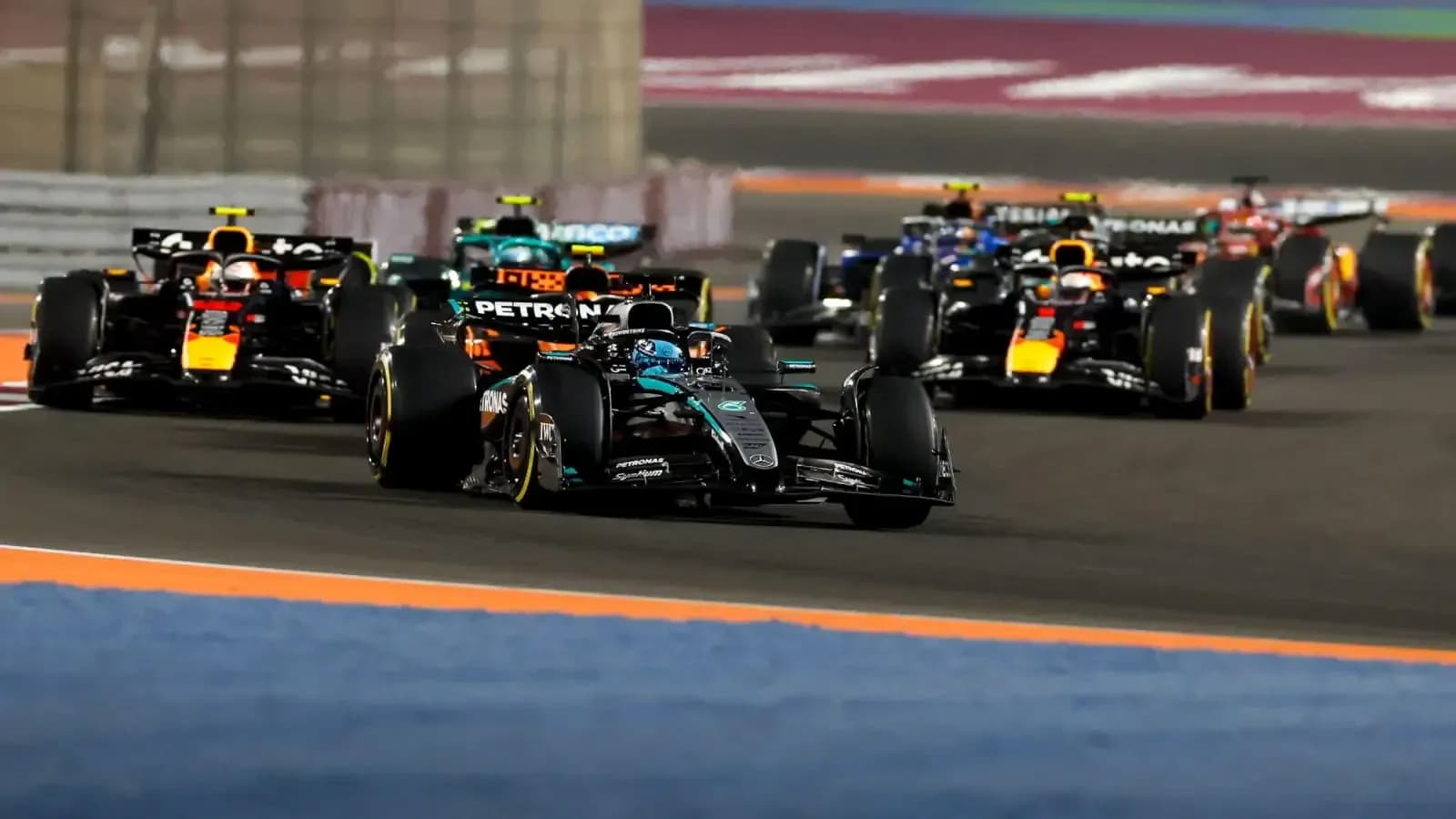
Formula 1 used to be a battle of engines, drivers and daring strategy. Now it is also a fight between swooshes, three stripes and big cats.
Nike, Adidas and Puma are no longer just on the feet of fans in the grandstands; they are racing for position inside the sport itself. Sponsorship spending from sportswear brands in F1 has exploded, jumping 75% in just two years to pass $200 million in 2026, according to Adam Lewis, senior analyst at Ampere Analysis. For a sport that once treated fashion as an accessory, F1 has become a runway.
From pit lane to pop culture
F1’s appeal now stretches well beyond Sunday afternoons. It is younger, richer and constantly online — a rare combination in modern sport. Nearly a third of its fans are under 35, Lewis notes, with that share up 18% since 2023. Almost half of the fanbase sits in the two highest-earning socioeconomic groups, compared with just 36% of the general population.
That is not just an audience. It is a target market.
“For major sportswear and lifestyle brands, F1 has grown beyond motorsport, into a powerful, year-round pop-culture and storytelling platform,” says Joey Khong, global consumer trends manager at Mintel. The paddock has become a crossroads: fashion, music, luxury, celebrity, all wrapped around elite athletic performance and cutting-edge engineering.
The result is a sport that sells as many looks as it does lap times.
Team apparel now lives far from the garages and hospitality suites. Jackets, caps and replica tops appear on city streets, in clubs, across Instagram and TikTok. According to Lewis, 34% of people who engage with F1 do so through social media, and 22% via online content. Every behind-the-scenes clip, every airport arrival outfit, every grid walk shot turns drivers and team staff into moving, shareable adverts.
Lewis calls it a “living billboard.” For Nike, Adidas and Puma, that is prime real estate.
Nike’s big move, Adidas and Puma hold their ground
Nike has chosen to go straight to the top. The brand gave fans a glimpse of its F1 ambitions in Las Vegas this month, dropping a limited-edition collection during the Grand Prix. That was just the warm-up.
From 2027, Nike will take over as supplier of F1 staff uniforms, a role Puma has held since 2024. Alongside that, Nike will sell footwear and apparel under the championship’s own brand, embedding itself in the visual fabric of the sport — from paddock officials to global retail shelves.
Adidas and Puma have taken a more traditional route, building around teams.
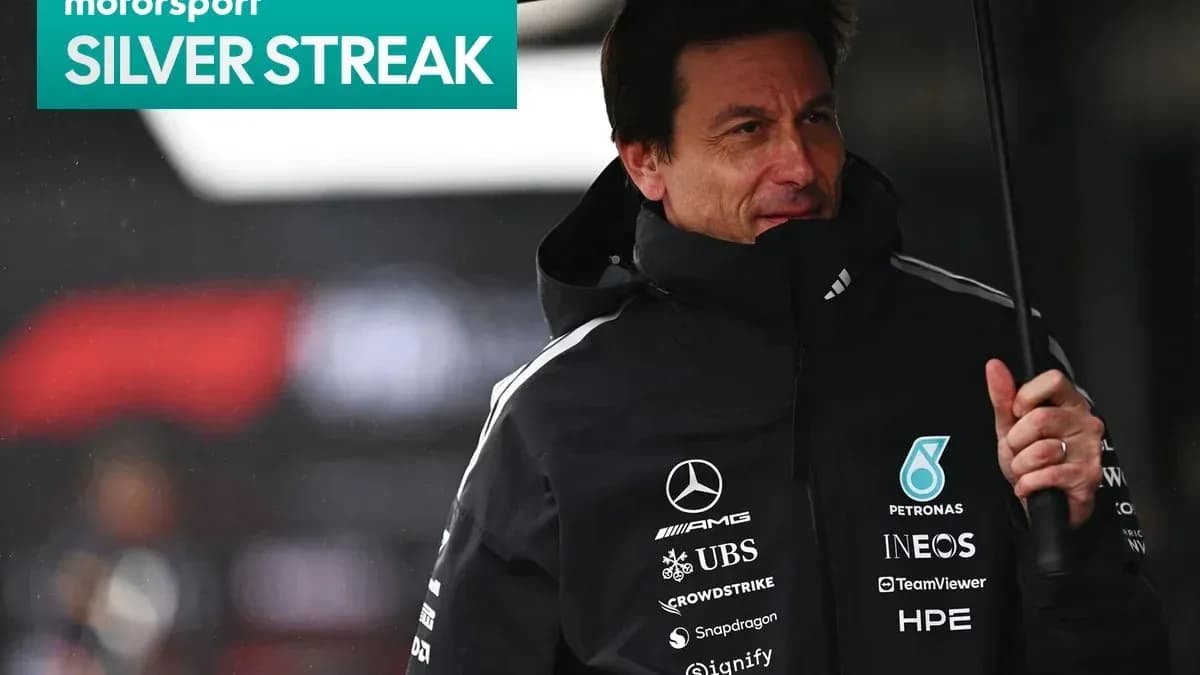
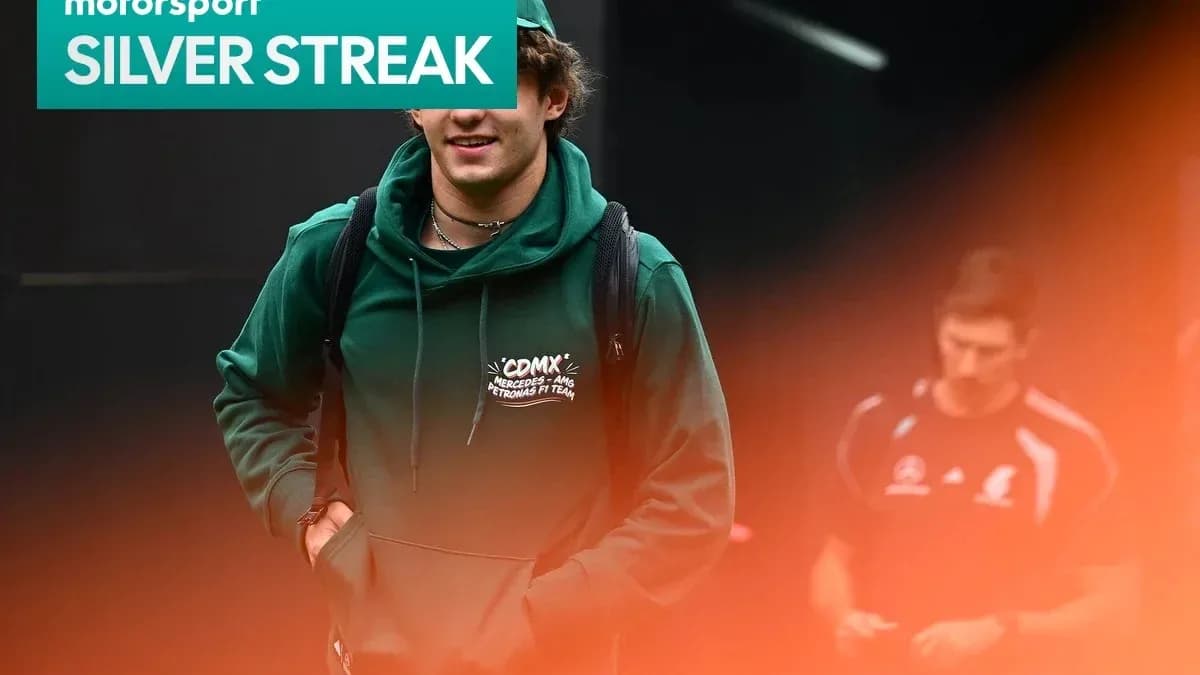
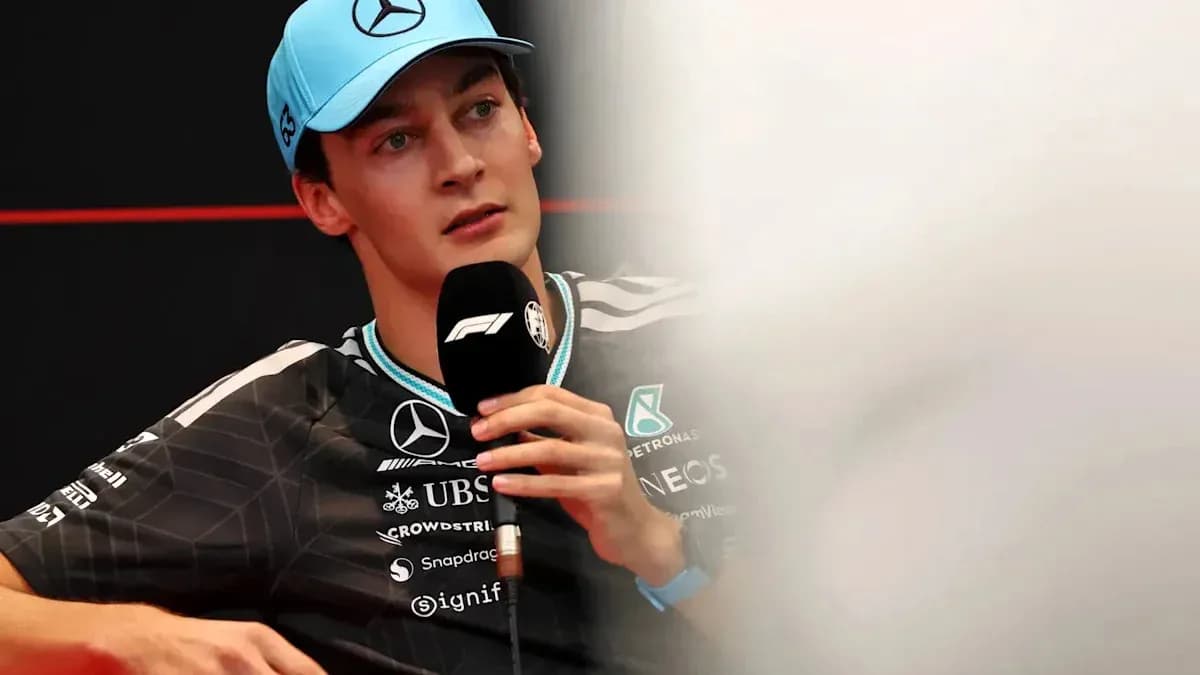
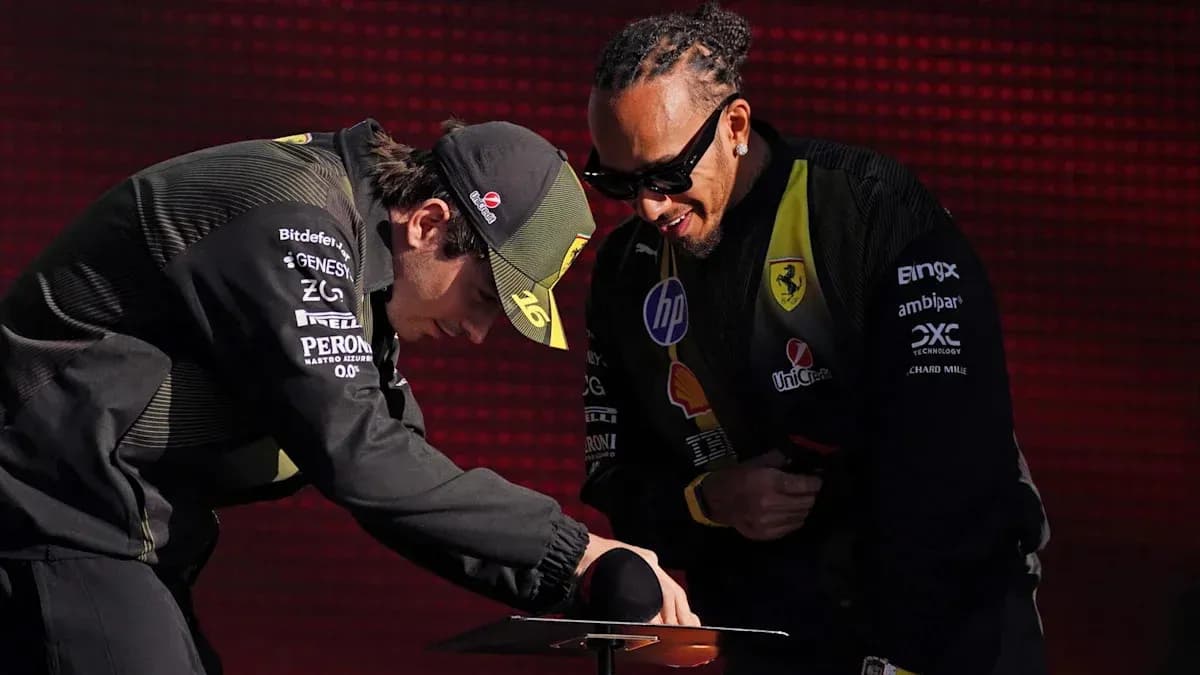
Adidas signed with Mercedes in 2025, then added Audi for its debut season this year, tying its identity to two of the sport’s most powerful automotive names. Puma has stayed loyal to Ferrari, maintaining a longstanding deal that covers racewear and licensing for Ferrari-branded products. That red prancing horse still runs in Puma gear.
Unlike football, there is not much room to spread out. The English Premier League offers dozens of clubs and dozens of kit deals. F1 has just 11 teams. That scarcity changes the game.
“F1, by contrast, is a closed market with only a handful of teams,” Lewis explains. With so few seats at the table, every contract renewal becomes a high-stakes auction. Brands pay more because there simply are not many alternatives.
Asia-Pacific powers the grid
The surge in interest is not coming only from Europe or the Americas. Asia-Pacific has become the engine of F1’s fan growth.
Since 2023, markets across the region have added more than 25 million F1 fans, a 36% jump, Ampere Analysis reports. That growth outpaced other regions by 11 percentage points and accounted for a remarkable 84% of overall fan growth.
The calendar already reflects that pull. Melbourne, Suzuka, Shanghai and Singapore all host races, each event a week-long festival for sponsors and partners. For sportswear brands, those races are not just events; they are anchor points in markets where aspiration and spending power are rising quickly.
Mintel’s research underlines why that matters. In a 2026 survey, 29% of respondents in China said sporting events would prompt them to pay attention to or try related brands. Among households earning at least 24,000 yuan ($3,600) a month, that figure climbed to 37%. When the cars roll into town, wallets open — and logos matter.
Merch turns into money
The commercial traction is already visible. Fans are not just watching more; they are buying more.
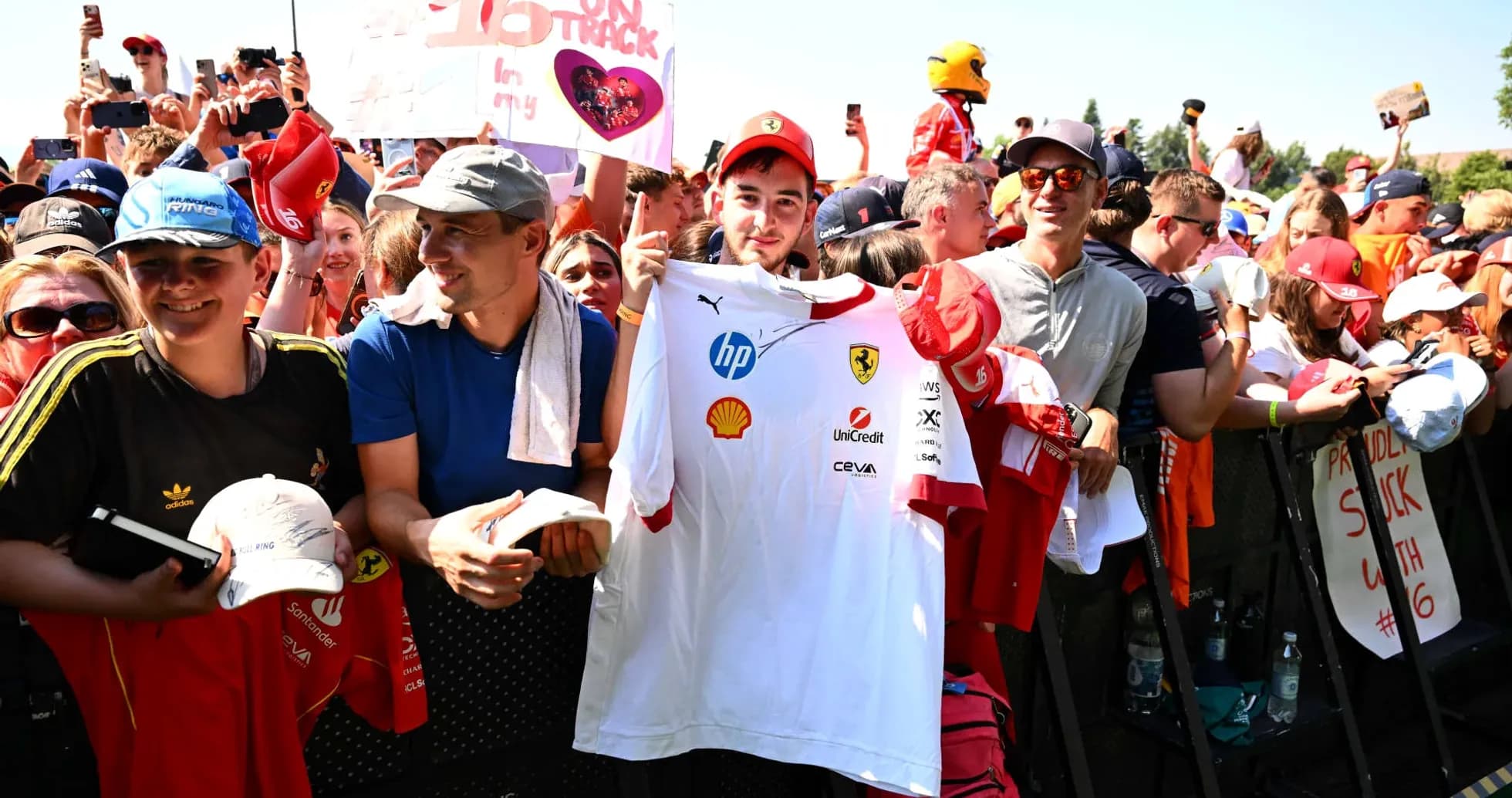
F1 merchandise sales have surged by almost 200% since 2017, according to Fanatics, the sport’s e-commerce partner, cited in a License Global report. Retail sales of F1-licensed consumer products jumped 44% in 2024, one of the fastest growth rates among all sports properties tracked.
The appetite stretches beyond race-branded caps and team shirts. Ampere’s consumer research shows F1 fans are 29% more likely than the average consumer to say they plan to buy sports apparel in the next year, and 27% more likely to say the same about non-sports apparel. Once F1 hooks a fan, their entire wardrobe becomes a potential battleground.
Khong is clear, though: F1 merchandise alone will not transform the balance sheet of global giants like Nike or Adidas overnight. The real prize lies elsewhere.
The badge on a race suit, the logo on a team hoodie, the uniform on a marshal — those are entry points. The larger payoff comes if that association nudges a fan toward a brand’s running shoes, lifestyle sneakers or everyday athleisure, far away from the circuit.
“There is a route to revenue growth, but being associated with the sport is only the starting point,” Khong says.
The chequered flag, in other words, is not on the track. It is in the shops, on the streets and in the feeds of a generation that now sees F1 as much in their wardrobe as on their screens.