Frank Lampard Calls for Fairness in Refereeing Decisions
Frank Lampard wants fairness. Not favours, not headlines. Just the whistle when it should blow.
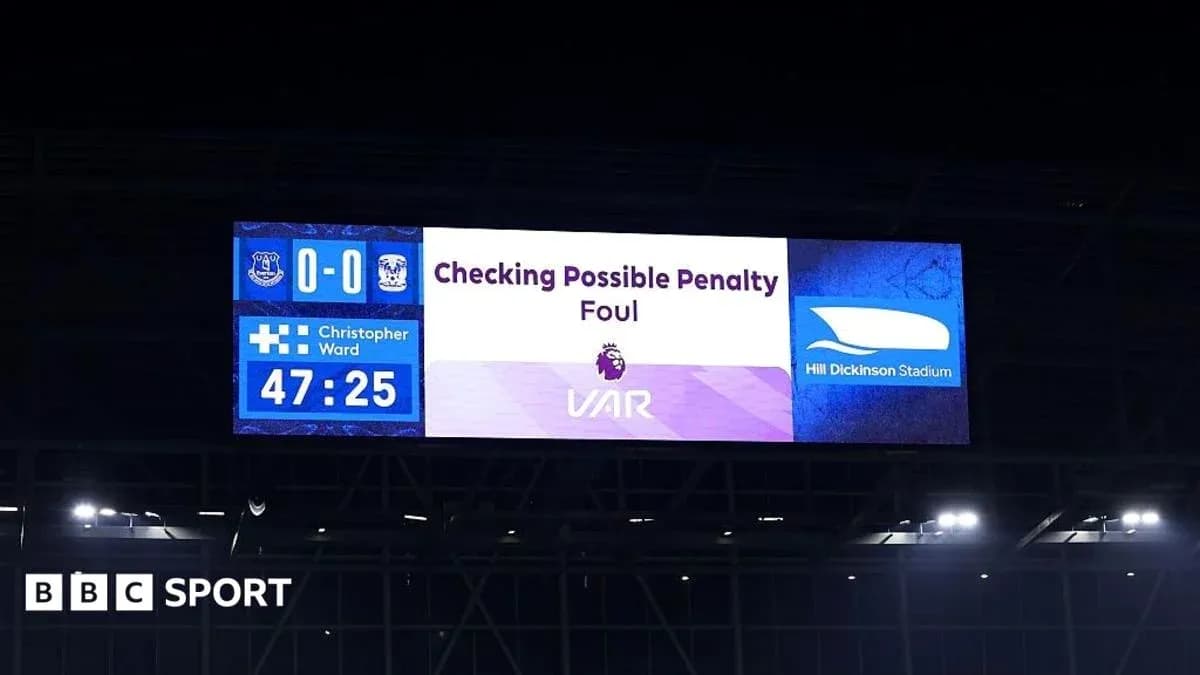
The Coventry City manager cut a frustrated figure as he revisited the decision that still burns from their 3-1 defeat at Everton before the international break – a missed first-half penalty that has since been confirmed, officially, as exactly that.
In real time, it looked bad. On replay, it looked worse. James Tarkowski clearly pulled Caleb Yirenkyi’s hair in the box, dragging the Coventry forward back as he tried to attack the ball. Referee Stuart Attwell waved play on. VAR Timothy Wood stayed silent. No review. No spot kick. No chance for a struggling promoted side to land the first punch at Goodison Park.
This week, the Key Match Incidents Panel – the body that reviews contentious calls and grades whether officials got them right – ruled unanimously that Coventry should have had a penalty. Unanimously. No grey area, no split vote, no hiding place.
For Lampard, that confirmation brought no satisfaction. Only a sharper sense of injustice.
“I’m not sure how much coverage it got in the days after, maybe because we’re Coventry, move on everybody,” he said, pointing not just at the decision itself but at the reaction, or lack of it, that followed.
Coventry went on to take the lead anyway, Yann Gboho firing them in front early in the second half. For a few minutes, the story looked like it might be about resilience rather than referees. Then Everton woke up.
Thierno Barry struck twice, Kiernan Dewsbury-Hall added a third, and the game flipped. The scoreline ended up looking routine. The context did not. That early flashpoint, at 0-0, still gnaws at a team sitting 17th in the Premier League and battling for every point.
Lampard’s anger isn’t framed as conspiracy. It’s framed as survival.
“We lost a game and we move on but we need fairness,” he said. “If the decision is rightly for us give it to us, I’m not asking for anything beyond that.”
The word he kept returning to was “fairness” – not just for Coventry, but for clubs who don’t command the biggest TV slots or the loudest debate when decisions go wrong. When a call goes against a heavyweight, it dominates the cycle. When it goes against a newly promoted side still finding its feet, it can vanish in the noise of a normal weekend.
“We’re not asking for anything beyond fairness to get the right decision, to spend enough time on the decision,” Lampard insisted. “We’re fighting on so many levels here as a promoted club.”
He is not exaggerating the scale of that fight. Coventry have come back to the top flight after 25 years away. The squad is light on Premier League know-how, built largely from players who have never lived this level before. They are learning in real time, in real pressure, against opponents with deeper benches, bigger budgets, and far more margin for error.
“Financially what we do in the league, in terms of where we are and the wages, we know we’re right at the bottom and all these things, so we’re fighting for every moment and we’re grafting a lot,” Lampard said. “And you just really do want that fairness.”
That is the heart of his argument. For clubs like Coventry, decisions don’t just sting; they shape seasons. A penalty at 0-0 at Goodison Park could have changed the game, the mood, perhaps even the direction of a fragile campaign. Instead, it became another example, in Lampard’s eyes, of how easily the smaller clubs can be brushed aside.
The panel’s verdict has now confirmed what Coventry felt in the moment. The question is whether that recognition will change anything the next time a promoted side is hanging on a call that could define their year.