Manchester United’s Tactical and Financial Challenges Under Pochettino
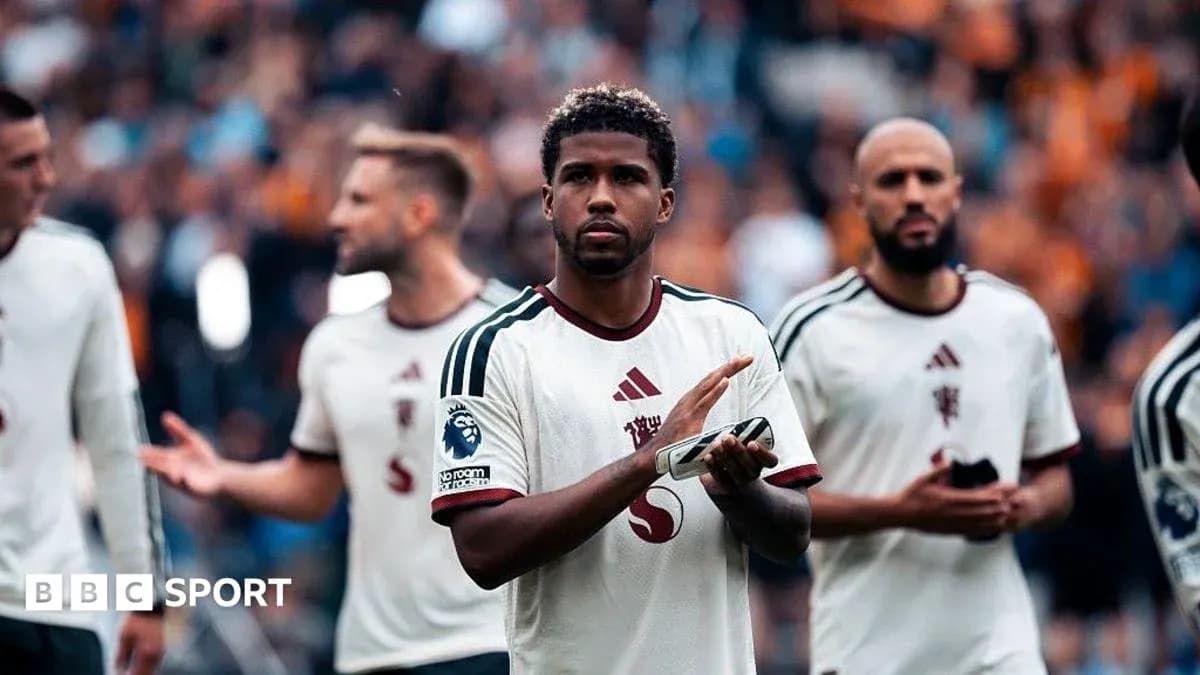
Carlos Baleba was supposed to be part of the solution. £70m worth of energy, legs and protection in front of a defence that has spent too long exposed. Instead, before a competitive ball has truly settled into the rhythm of the season, the summer signing is injured for the second time since pre-season.
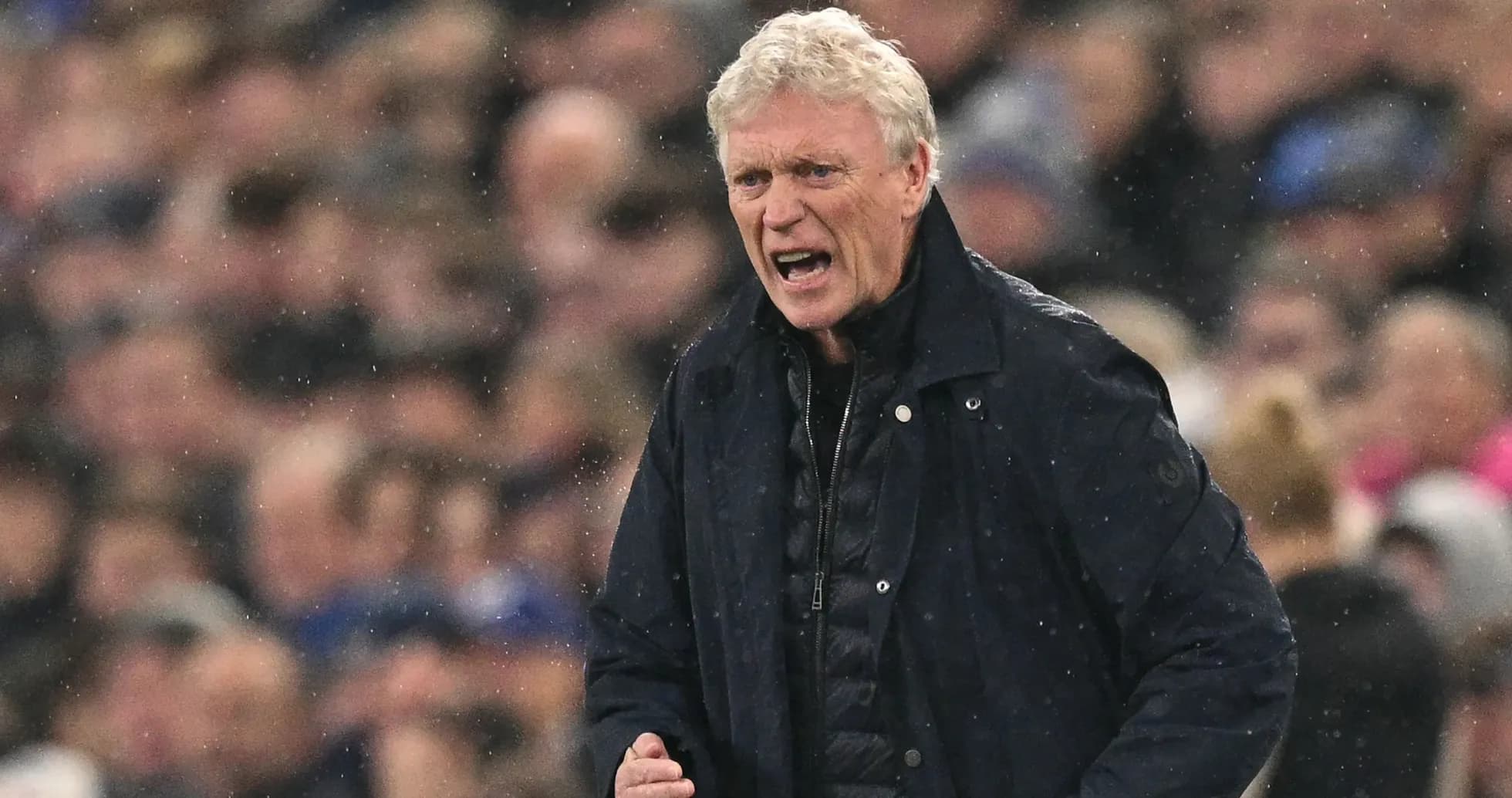
So Mauricio Pochettino looks at his midfield and sees a problem that can’t simply be coached away.
Kobbie Mainoo and Youri Tielemans want the ball, demand it, shape games with it. They are not natural destroyers. They knit play, they don’t break it. When United lose possession, attacks are still streaming straight at a back line that already looks as if it has too much to do and not enough cover in front.
Something has to give. Either Pochettino drops an extra body into midfield or reshapes his defence into a three to block the central lanes. One way or another, United need a shield. Right now, it looks more like a welcome mat.
A Squad Built on Credit, Not Certainty
The tactical puzzle is only half the story. The financial backdrop makes the margins even tighter.
In a recent interview with Sky Sports, chief executive Omar Berrada was clear: United must be “disciplined” in the transfer market. No more huge outlays on players who don’t move the needle. The message was deliberate. The club cannot keep spending its way out of trouble.
Yet the numbers tell their own tale. United leaned on their revolving credit facility to fund most of their major summer business, then dipped into it again to bring in Pochettino at a cost of just over £7.5m. The big calls are being made with borrowed money.
Public accounts released last week added more context. There is still £160m available in credit. On paper, that looks like room to manoeuvre. Look a little deeper and the picture changes: United owe £417m in outstanding transfer fees, with £236m due within the next 12 months.
This is not a club that can simply throw another £60m or £70m at a holding midfielder in January and hope everything clicks. Every move now carries weight.
Doubts in the Middle
That’s why the Andrey Santos situation matters.
Signed from Chelsea for £48m in the summer, the Brazilian was supposed to be part of the midfield reset. Yet under Michael Carrick he went five matches between Premier League starts after the opening-day defeat at Hull City. At Anfield, in a game that screamed for fresh legs and control late on, he appeared only in the final three minutes.
Those decisions hint at something deeper than rotation. They suggest doubt. Doubt about his readiness, doubt about his fit, doubt about whether he can be trusted to anchor a side already walking a tightrope between attack and protection.
For Pochettino, that doubt narrows his options. Baleba is injured. Santos is not fully convincing. Mainoo and Tielemans are creators first, screeners second. The manager is left trying to stitch together a functional unit from pieces that don’t naturally complement each other, all while the club insists it must stay “disciplined” in the market.
No Quick Fix on the Horizon
The calendar offers no comfort.
Neither before nor after the January window opens does an easy solution appear. The obvious fix – sign a ready-made defensive midfielder – runs into the hard reality of credit lines, existing commitments and a hierarchy wary of repeating past mistakes.
United’s situation is not unique. Last season, another member of the so-called ‘big six’, Tottenham, only clawed their way to safety on the final day. Their warning lingers in the background: big name, big stadium, big brand – none of it guarantees security when the balance between squad construction and financial control tips the wrong way.
At Old Trafford, there is still confidence that the season will not descend into that kind of brinkmanship. The belief inside the club is that the squad has too much quality, that Pochettino will find a structure, that results will stabilise before genuine danger looms.
But belief does not close passing lanes or track runners from midfield. It does not pay down £417m in transfer commitments. It does not keep Baleba fit.
So United move forward on a narrow ledge: a manager searching for a protective screen, a board insisting on restraint, a squad assembled on credit, and a fanbase watching every counter-attack with a familiar knot in the stomach.
The ride, they admit, could be bumpy. The question is whether this time, with the money tighter and the margins finer, they can keep their nerve long enough to stay on the road.