Mauricio Pochettino Takes Charge at Manchester United
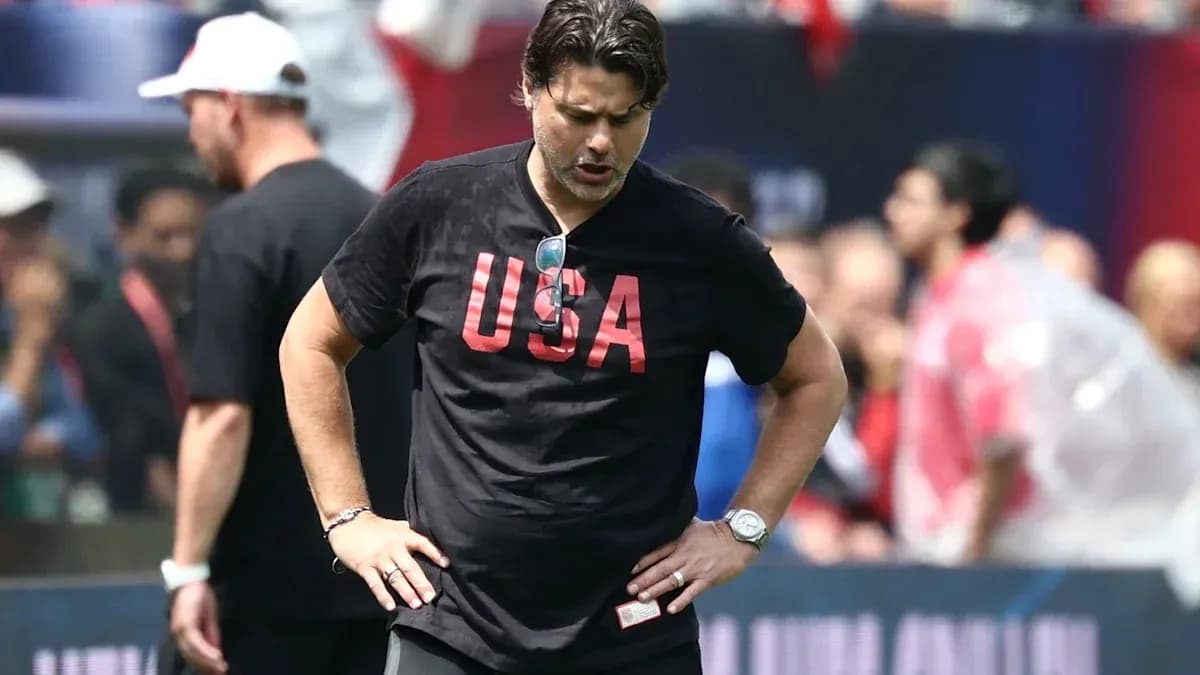
Mauricio Pochettino stepped off an overnight flight from Cincinnati on Wednesday morning and straight into the storm at Carrington. One minute he was wrapping up media duties after guiding the United States past Haiti; a few hours later he was on the training pitches of Manchester United, staring down one of the biggest salvage jobs of his career.
United sit in the bottom three, with just one Premier League win all season. The club that once measured itself in titles now measures the gap to safety. Pochettino has been linked with the Old Trafford dugout for years. Now, at 54, he insists he arrives not only older, but sharper.
“We were missing club football, we were missing it a lot,” he said, leaning into the idea that managers are at their most alive in the daily grind. “I think we are animals of the grass. We like to feel the grass, we need to smell the grass and try to help the players to improve every day.”
He knows both worlds now. The man who took Tottenham to a Champions League final and won the league with Paris St Germain has just come off an intense stint with the United States, steering them to the last 16 of the World Cup. That experience, he believes, has hardened him for what lies ahead in Manchester.
“It’s true that it’s a different job when you are in the national team, but at the same time you learn a lot,” he said. “I think we are much better coaches now, much better coaches.”
The word “pressure” follows Pochettino around. At Southampton, Tottenham and Chelsea, he operated under the unforgiving glare of the Premier League. At PSG, he walked into a dressing room built to win everything. Yet he bristles at the idea that international football is some sort of softer option.
“The expectation and the pressure was massive,” he said of his time with the United States. He goes back to SoFi Stadium in Los Angeles, their opening game against Paraguay. “I remember always in SoFi, our first game against Paraguay, the pressure was massive, there were more than 200 celebrity people expecting us to win and to play well and all the country was behind us.
“They say when you are in the Premier League or in LaLiga or in France, OK, you feel the pressure when you manage this type of size of club.
“But being there was, I promise, it was massive pressure, but we found a way to translate that pressure into energy. And that is what we were talking about when you say we learn.”
That line matters. Translating pressure into energy is exactly what United have failed to do this season. The weight of the shirt has dragged players down, not driven them on. They have won only three of their 15 matches in all competitions; the season already feels like a long, bleak trudge. Pochettino’s international spell, where he had only short windows to drill his ideas into a scattered squad, may prove unexpectedly useful.
International managers live in bursts. A few days here, a camp there, and then the players disappear again. Ideas must be clear, simple, and instantly absorbed. At United, Pochettino takes over mid-season, with little time to waste and a fixture list that offers no sympathy. He shrugs off the timing.
“I think our job is to adapt and to go ahead a little bit,” he said. The task, as he frames it, is not about tearing everything up in public, but about understanding the fabric of the club he has finally joined. “The most important thing is to understand when you arrive at a new club, the culture, the history and the identity.
“We really know what that club means for the fans, for everyone, and what I can tell you is that the players are the group of people that really care and they want to perform…”
That last point will be tested quickly. Old Trafford has grown sceptical of promises. Managers and players have spoken of caring, of understanding the badge, of wanting to put things right. Performances have rarely matched the rhetoric. Pochettino, though, has built his reputation on creating dressing rooms that run, press, and believe.
“The important thing is to find a way, through our experience, to create that platform for them to express their talent and perform in the way that we expect.”
That is the core of his mission: build a platform, not a personality cult. United’s squad has talent, but no clear structure. Pochettino’s best sides – from Southampton’s fearless press to Tottenham’s relentless high line – had a collective identity that outshone any individual.
The test arrives immediately. On Sunday, it is Liverpool. Old rivals, old scars, and no margin for sentiment. Pochettino has barely had time to unpack, but the Premier League does not wait. Nor does a fanbase that has heard enough about projects and processes.
He wanted to smell the grass again. Now he has it, with the season already on the brink and the world watching to see whether his hard-earned international education can rescue a giant that has forgotten how to feel like one.