Mudryk vs Shevchenko: A Toxic Feud in Ukrainian Football
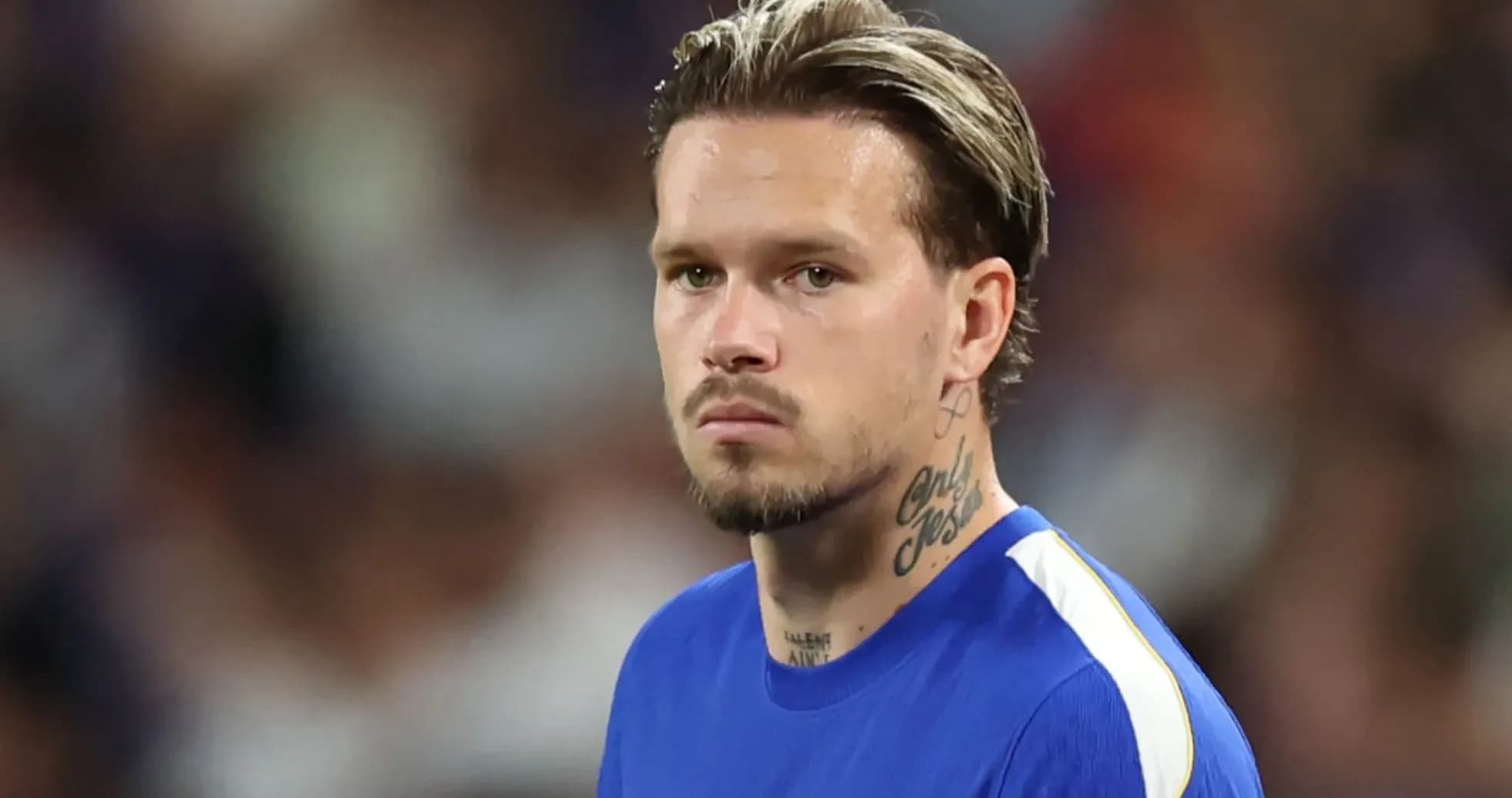
Mykhailo Mudryk has blown the lid off his doping saga, directly accusing Andriy Shevchenko of lying as the feud between Ukraine’s biggest current star and its federation president turns toxic.
The Tottenham Hotspur loanee, serving a lengthy ban for a positive test, claims he holds hard evidence that the Ukrainian Association of Football (UAF) misled investigators and tried to shift blame away from itself.
This is no longer just a disciplinary case. It is a full-scale rupture at the top of Ukrainian football.
A Ban, a Star, and a Fury
Mudryk, on loan from Chelsea to Spurs for the season, is currently suspended from November 2024 until July 2026 after testing positive for meldonium, a prohibited substance.
He insists the substance entered his system while on international duty with Ukraine and lays responsibility squarely at the door of the UAF. In his eyes, the federation failed him, then abandoned him.
The winger has now escalated the dispute by publicly branding Shevchenko – one of the country’s greatest ever players and now UAF president – a liar.
Shevchenko Fires Back – and Gets Hit Harder
The temperature rose sharply after Shevchenko claimed Mudryk’s camp tried to engineer a cover story.
According to Shevchenko, representatives of the player repeatedly asked a UAF employee to falsely take the blame for the positive test. He condemned Mudryk’s accusations as “baseless slander against our people” and demanded a retraction.
Mudryk’s response was immediate and fierce.
“Neither I nor my representatives made any such request,” he said in a statement released on Friday, quoted by the BBC. No softening. No caveats. A flat denial – and a direct challenge to the federation chief’s credibility.
Allegations of a Cover-Up
From there, the winger went further, painting a picture of a governing body more interested in self-preservation than truth.
Mudryk says the UAF repeatedly dragged its feet, failed to cooperate properly, and withheld crucial documents from his legal team during the investigation.
“My team and I repeatedly asked the UAF to help establish how I might have been exposed to meldonium and who, if anyone, might have been responsible,” he explained.
He stressed that his lawyers sought “truthful information that could be independently verified,” pointing out that one of their letters – leaked earlier by the UAF – explicitly requested “true, verifiable and reliable information.”
For Mudryk, that leak does not incriminate him. It underlines his case.
Then came the most explosive claim.
He says UAF staff testified at his hearing that he was not using federation-provided supplements, a line Shevchenko has also repeated publicly. Mudryk insists he can prove the opposite.
He claims to have WhatsApp messages showing he did use UAF products during training camps, evidence he says directly contradicts the federation’s stance.
“That is, I have evidence to prove that their repeated assertions are wrong,” he stated.
If those messages are as clear as he suggests, the argument shifts from interpretation to credibility – and who the public believes.
A Relationship in Ruins
What began as a doping case has become a power struggle between Ukraine’s most high-profile active player and the man charged with leading the national game.
Trust has evaporated. Respect, too.
With Shevchenko entrenched as UAF president and Mudryk openly attacking the federation’s integrity, the winger’s international prospects now appear shattered. Unless something dramatic changes at the top, Ukraine may head into the next cycle without one of its most gifted talents anywhere near the national team setup.
The ban will end in July 2026. By then, the question may not be whether Mudryk is available.
It may be whether there is any relationship left to repair.