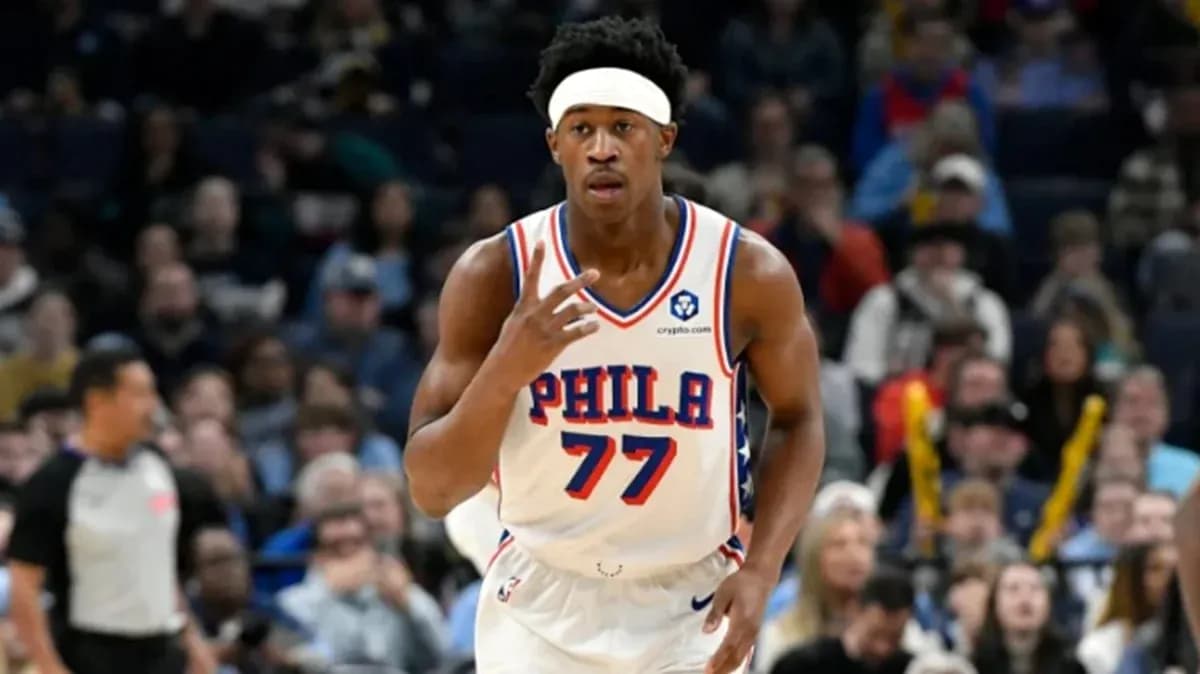
Philadelphia 76ers' Trade Dilemma: Edgecombe's Future at Stake
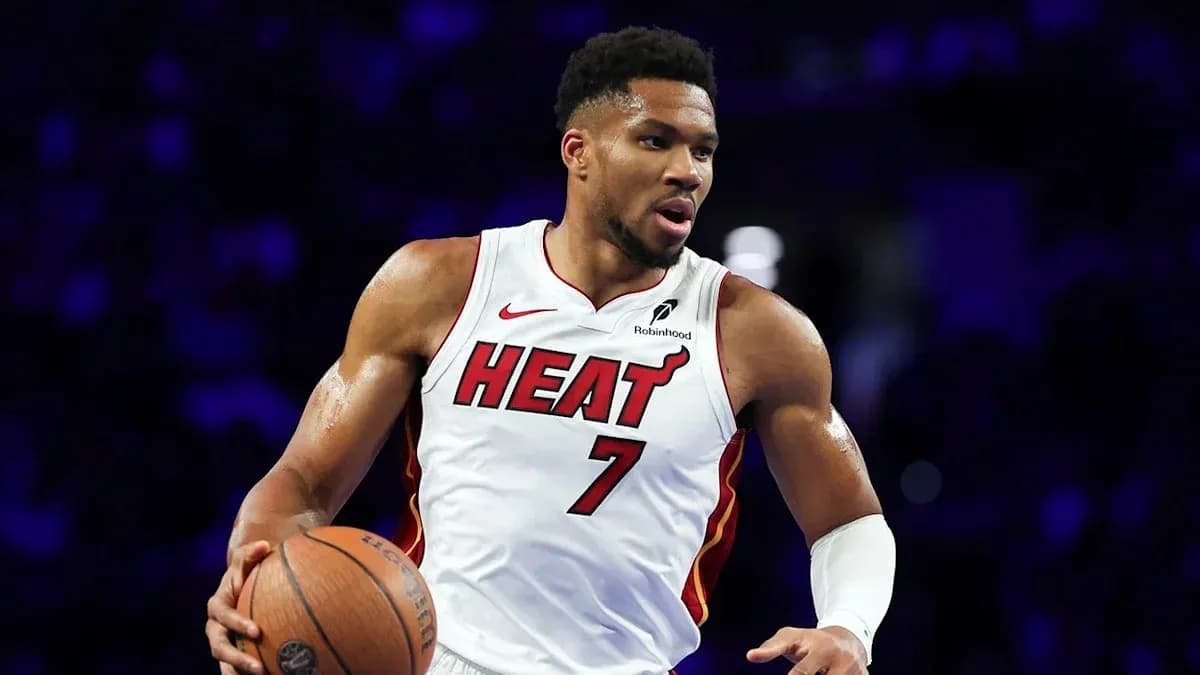
The 76ers are rolling at 15–4, fresh off a 111–104 win over the Miami Heat, but the conversation around the team this week hasn’t been about another statement victory. It’s about a rookie guard, a thin bench, and a Hall of Famer willing to put a target on a young player’s back.
On The Steam Room with Ernie Johnson, Charles Barkley cut straight to the point: if Philadelphia wants to shore up its second unit, VJ Edgecombe should be the trade chip.
“I think you gotta find a way to help your bench in Philly,” Barkley said. “Brown and Maxey, they are good enough. They don’t need a third guard, in my opinion. So I think you could get something good for Edgecombe to help your bench.”
For a franchise that has treated Edgecombe as part of its future, that’s a loaded suggestion.
Barkley vs. the Box Score
Barkley’s argument leans on a simple premise: Tyrese Maxey and Jaylen Brown give Philadelphia all the backcourt star power it needs. With LeBron James and Joel Embiid also commanding touches, he sees a surplus on the perimeter and a shortage on the bench.
The numbers back up at least part of his concern. According to Hoops Wire, the 76ers’ reserves average just 25.2 points per game, the second-lowest bench output in the league. For a team chasing a title, that’s a crack in the armor.
But the timing of his call to move Edgecombe is striking.
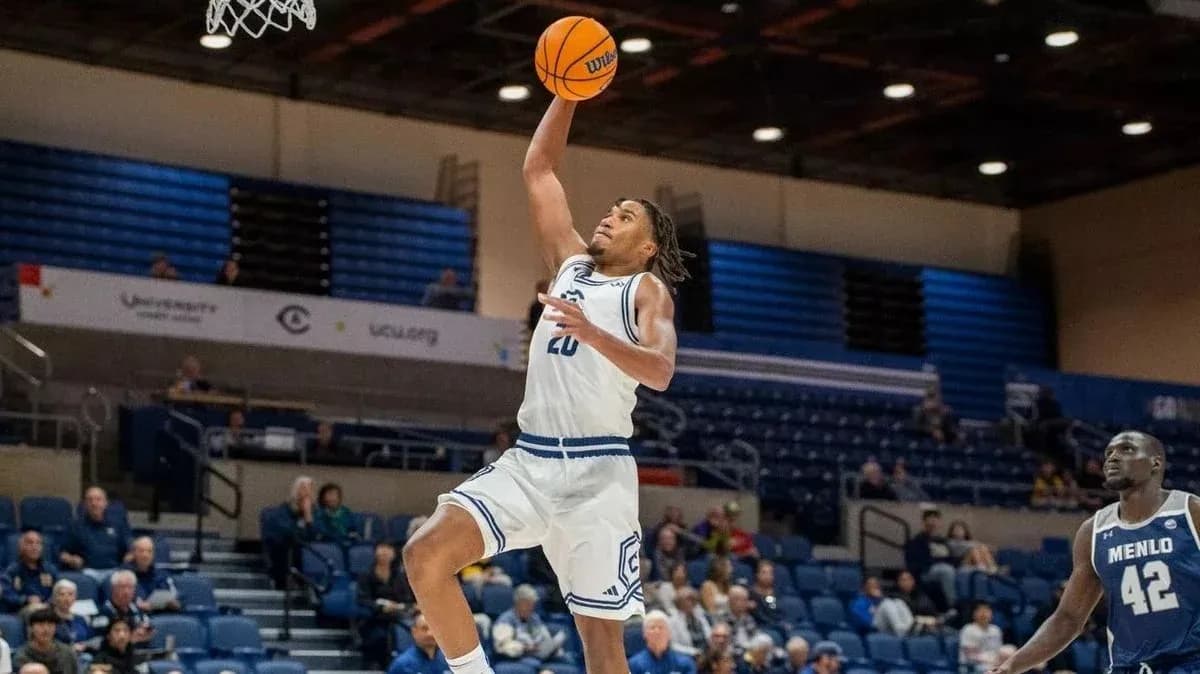
Just days earlier, the 21-year-old guard turned in one of his most complete performances as a pro: 18 points, six rebounds and five assists against Miami, as reported by both Hoops Wire and Yahoo Sports. He didn’t hijack the offense. He didn’t need to. He simply filled gaps, made plays, and looked like a player learning how to thrive alongside stars.
Across the season, Hoops Wire has him averaging 13.9 points, 6.3 rebounds and 4.2 assists per game. Those are not empty numbers. They’re the stat line of a young guard who rebounds, creates, and scores without demanding top billing.
A Young Piece in a Veteran Core
Edgecombe’s value in Philadelphia goes beyond raw production. He brings athleticism, defensive energy, and scoring potential, all on a rookie contract. On a roster loaded with established, high-usage names—Maxey, Brown, LeBron James, Embiid—he has accepted a smaller role, sharing offensive responsibilities without forcing his way into the spotlight.
That willingness matters. It gives head coach and front office alike a flexible piece who doesn’t need the ball to justify his minutes.
It also explains why the organization has previously viewed him as part of its long-term plans, even when his name surfaced in speculation about a potential Giannis Antetokounmpo deal. When a player survives that level of rumor and remains in the building, it usually signals belief from the top.
Trading him now would not just be a tactical move for this season. It would be a statement about how aggressively Philadelphia is willing to mortgage tomorrow for a championship run today.
The Hamstring Twist
Then came another wrinkle: Jaylen Brown’s hamstring injury in the win over Miami.
On a night that underlined Edgecombe’s ability to contribute across the board, Brown’s exit underscored the fragility of relying too heavily on a top-heavy rotation. One strain, one awkward step, and suddenly that “third guard” starts to look less like a luxury and more like a necessity.
The 76ers’ bench remains one of the least productive in the league. That’s not going away. But the moment Brown limped off, the equation changed. Depth isn’t just about the second unit’s scoring totals anymore; it’s about having reliable, versatile guards who can step into bigger roles when a star sits or breaks down.
Edgecombe has already shown he can do that without disrupting the pecking order.
Win Now, or Build While You Win?
This is the crossroads for Philadelphia.
On one side is Barkley’s blunt logic: the team needs bench help, and Edgecombe is the obvious asset. Package him, bring in proven reserves, and strengthen the rotation for the grind of the postseason. With Maxey, Brown, LeBron, and Embiid, the window is open now. Why wait?
On the other side is a more patient view: keep the 21-year-old who rebounds, passes, defends, and scores within the flow of the game, all while costing far less than a veteran role player. Let him grow into the gaps around the stars, and he becomes part of the bridge from this title push to whatever comes next.
The 76ers are 15–4. They just beat Miami. Their bench still averages only 25.2 points per game. All of those things are true at once.
So the question hanging over this start isn’t whether Philadelphia is good enough to contend. It’s whether the front office believes it can afford to send out a promising young guard like VJ Edgecombe for short-term help—and what that decision will say about how long this version of the 76ers is built to last.