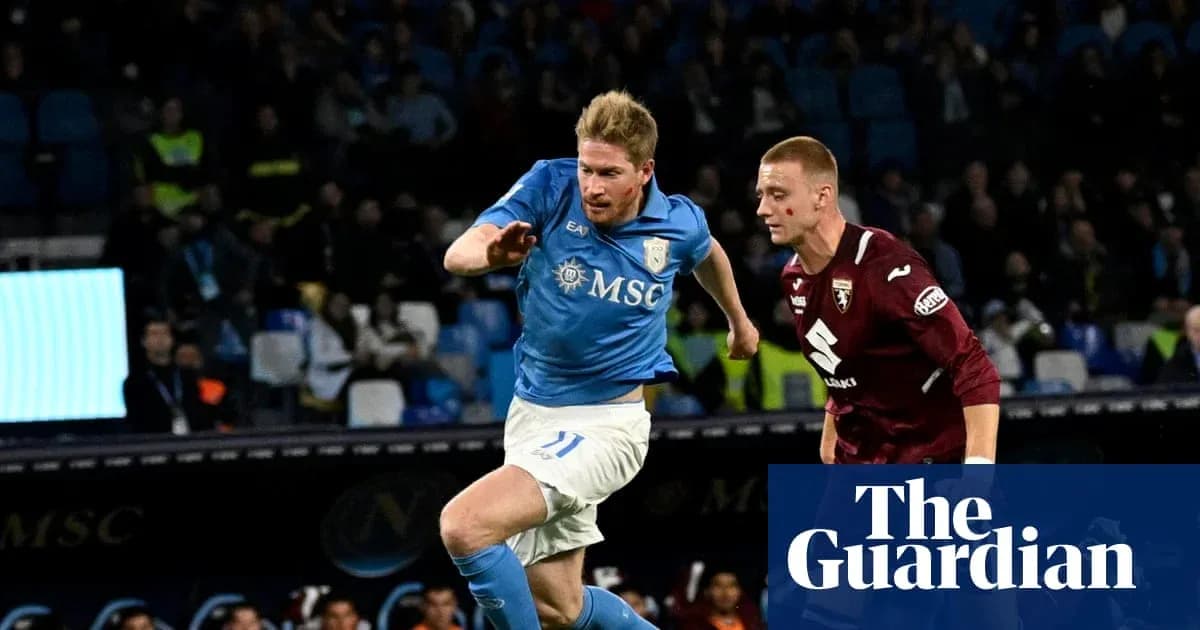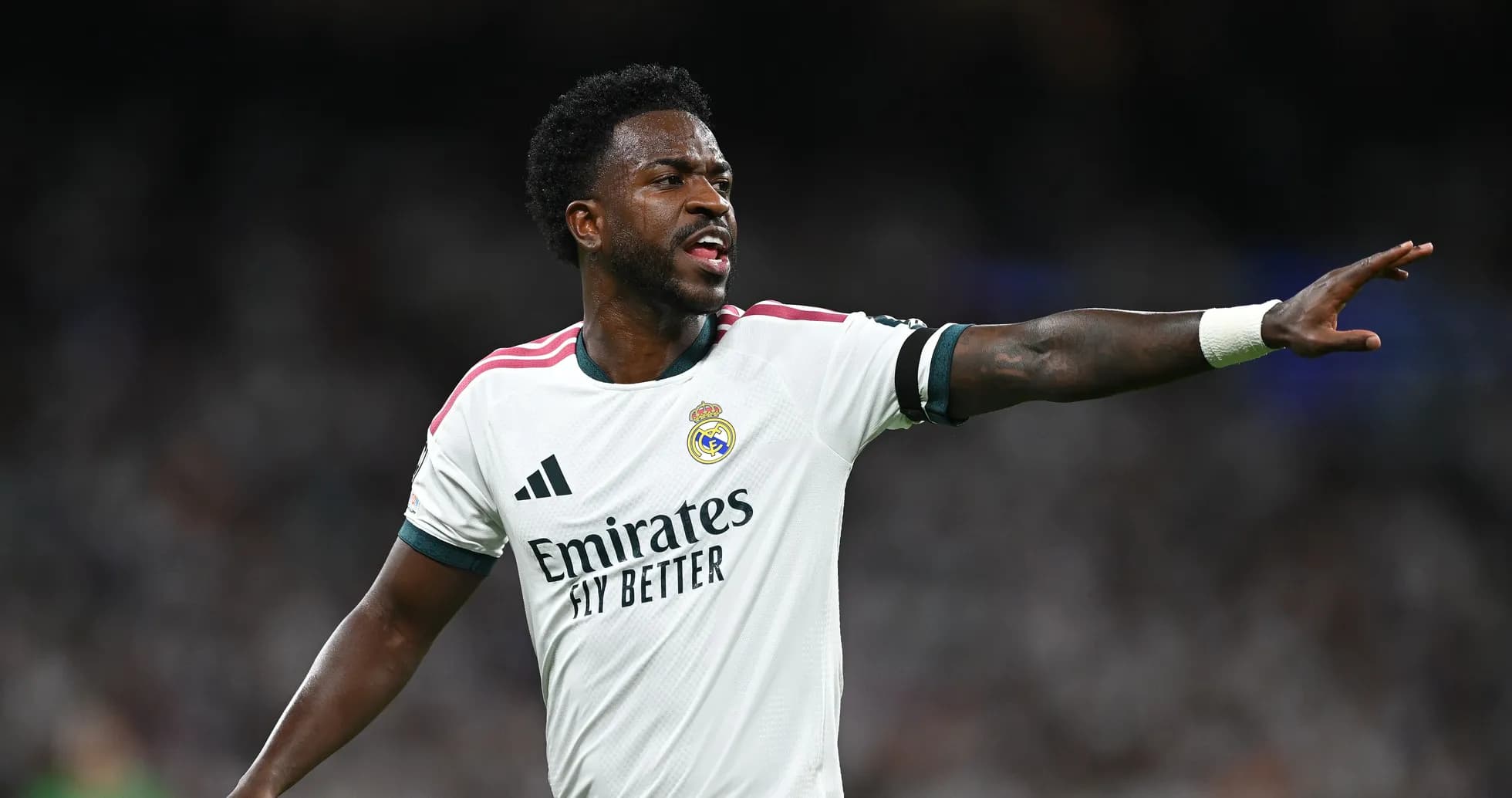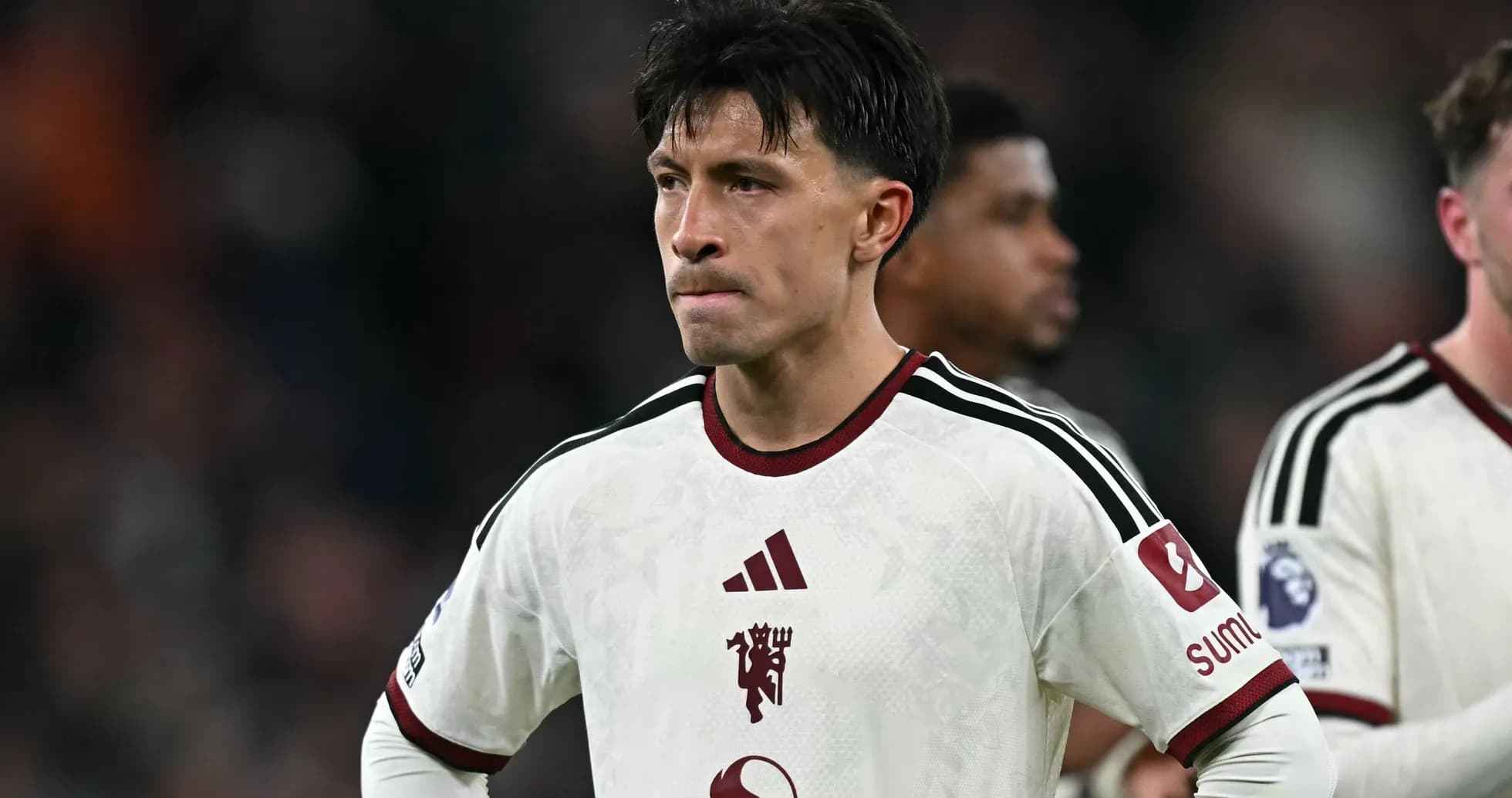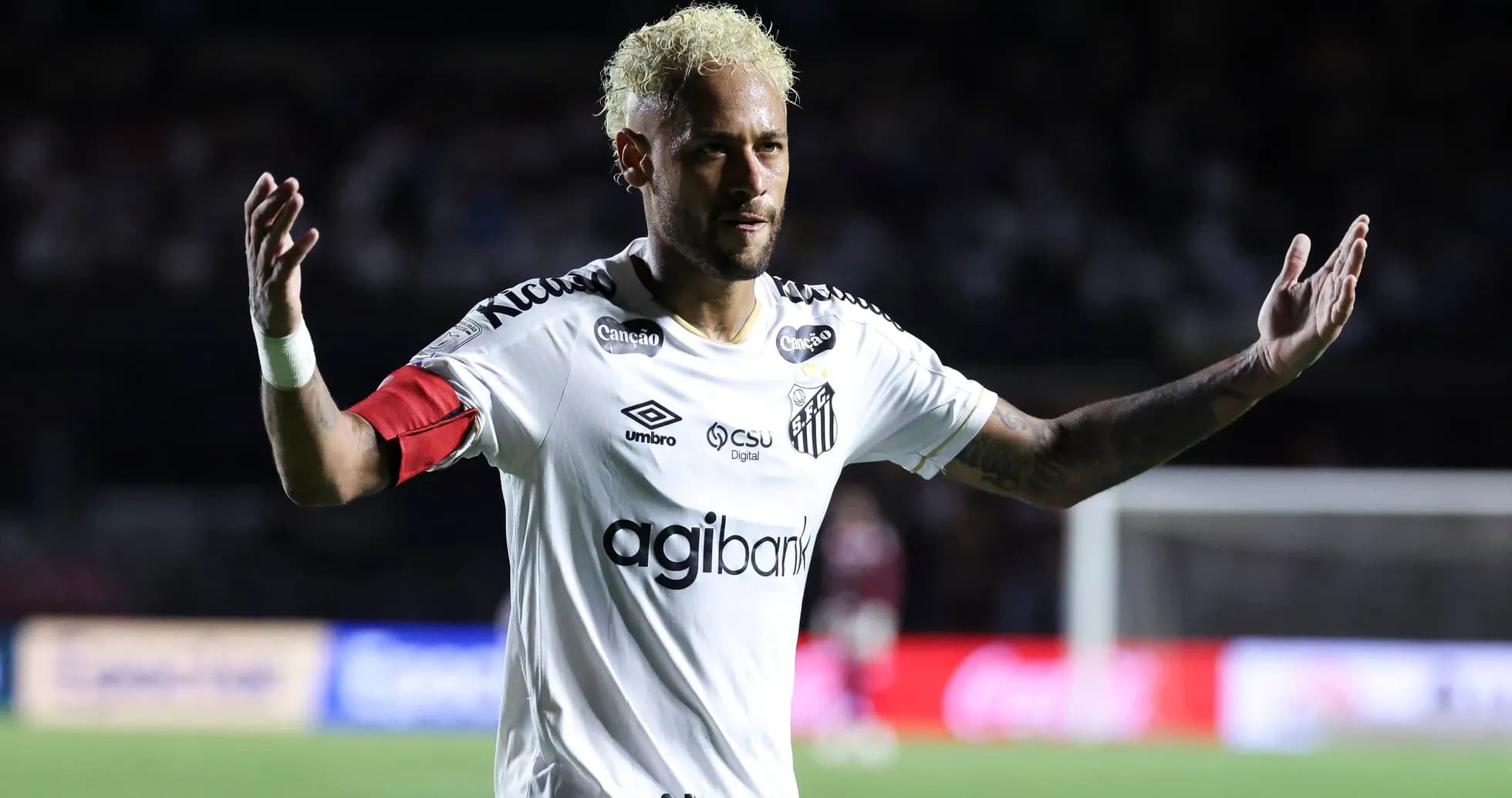
Raphinha, Vinicius and Brazil's Shift in National Pride
In Brazil, not every Seleção star is embraced the same way. Some are adopted from the moment they lace their first professional boots. Others arrive by the side door, questioned before they’ve even pulled on the yellow shirt.
Raphinha belongs firmly in that second group.
He grew up in Restinga, a tough neighbourhood on the outskirts of Porto Alegre, far from the manicured training pitches of the country’s great academies. He never wore the shirts of Internacional or Gremio. His football education came on bare, working-class dirt fields where money was so tight that proper kits were a luxury, not a given.
Out there, the only way to separate the teams was simple: one side kept their shirts on, the other took them off.
From those shirtless games he fought his way to Avai, then crossed the Atlantic to Portugal. Before Barcelona arrived with an offer and a project, he was just another name in a long list of Brazilian exports – traded, loaned, moved around like a commodity, and often forgotten once the next prospect appeared.
Now he stands at the heart of one of world football’s most demanding clubs. At Barcelona he has become one of the dressing-room voices that matter. With Brazil, coach Carlo Ancelotti has also pushed him into a leadership role, asking him to carry more than just the ball on his flank.
The responsibility has not shielded him from the glare back home. Far from it.
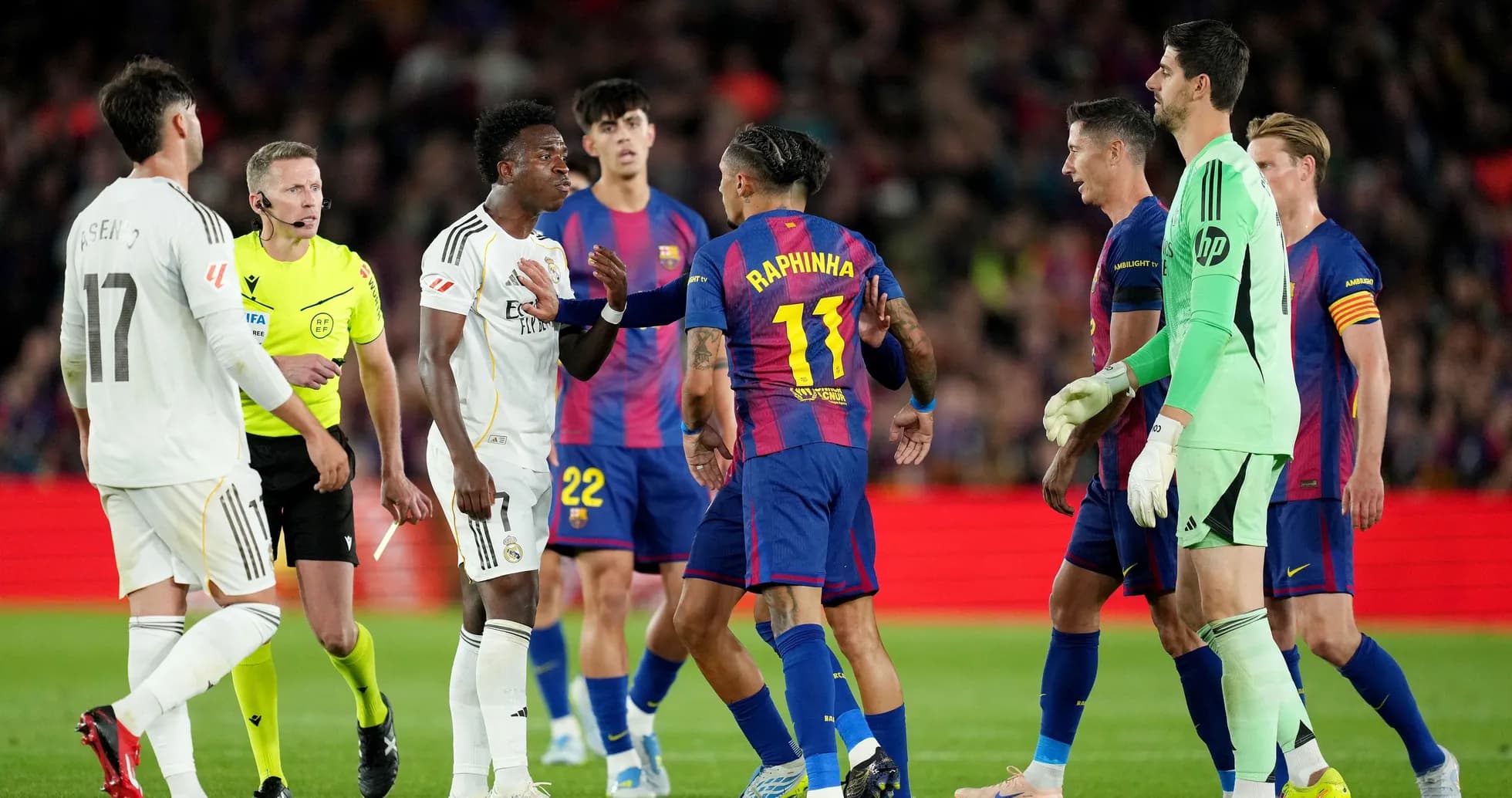
Comments he made after renewing his contract with the Catalan club drew sharp criticism in Brazil, feeding into the sense among some fans that he is not “one of theirs”. Then came the red card against Singapore, a flashpoint that did not arrive in isolation but just days after a gruelling press conference in which he sat through wave after wave of pressure.
To many, it felt like a player stretched thin by expectation and scepticism in equal measure.
Across the divide stands Vinicius Junior, another Brazilian who left young but under very different circumstances.
Real Madrid signed him early, as part of a long-term vision. By the time he left, he was already a known face in Brazil, a rising star whose goals and dribbles for Flamengo had been broadcast across the country. That badge matters. Flamengo is not just a club; it is a national institution with global reach, and coming through its academy gave Vinicius a status Raphinha never enjoyed.
A huge section of the Brazilian public adores the Real Madrid forward. Yet love has its limits. He is not a legend. He does not sit in the same emotional space as Neymar, a player who never delivered the World Cup but still gave Brazil a decade of hope, drama and the feeling that something extraordinary might happen every time he touched the ball.
Vinicius, like so many since 2002, carries the weight of what Brazil have not done. Every failure at a World Cup leaves a stain on the next generation. Every near miss or outright collapse hardens the judgment.
Fans have acknowledged his hunger to represent the national team. They have applauded the bright spells he produced in the two matches in Singapore. It is not enough. Not for a country that counts its World Cups on one hand and stares obsessively at the space where a sixth star should be.
Vinicius has worked to reset his trajectory, to push past the criticism and reassert himself. Yet the national mood has shifted. The spotlight that once burned on individuals now seems dimmer, swallowed by a broader disappointment in the Seleção’s slide.
Brazilian supporters are investing their emotions elsewhere. The club game grips them more tightly: Flamengo closing in on the league title, while Corinthians, Gremio and Internacional stare nervously at the spectre of relegation. The weekly drama of survival and glory at home feels more urgent than experimental line-ups on the other side of the world.
The friendlies in Asia barely move the needle. To many, they look like commercial obligations – long flights, unfamiliar kick-off times, a parade of sponsors – rather than occasions to stir the soul. The yellow shirts are there, the anthem plays, but the emotional voltage is low. For fans, they feel like a burden, not a date circled on the calendar.
Raphinha’s backstory, Vinicius’ stature, the arguments over who leads and who follows – all of it gets filtered through one unforgiving lens.
Brazil wants the sixth star. Nothing else truly satisfies.