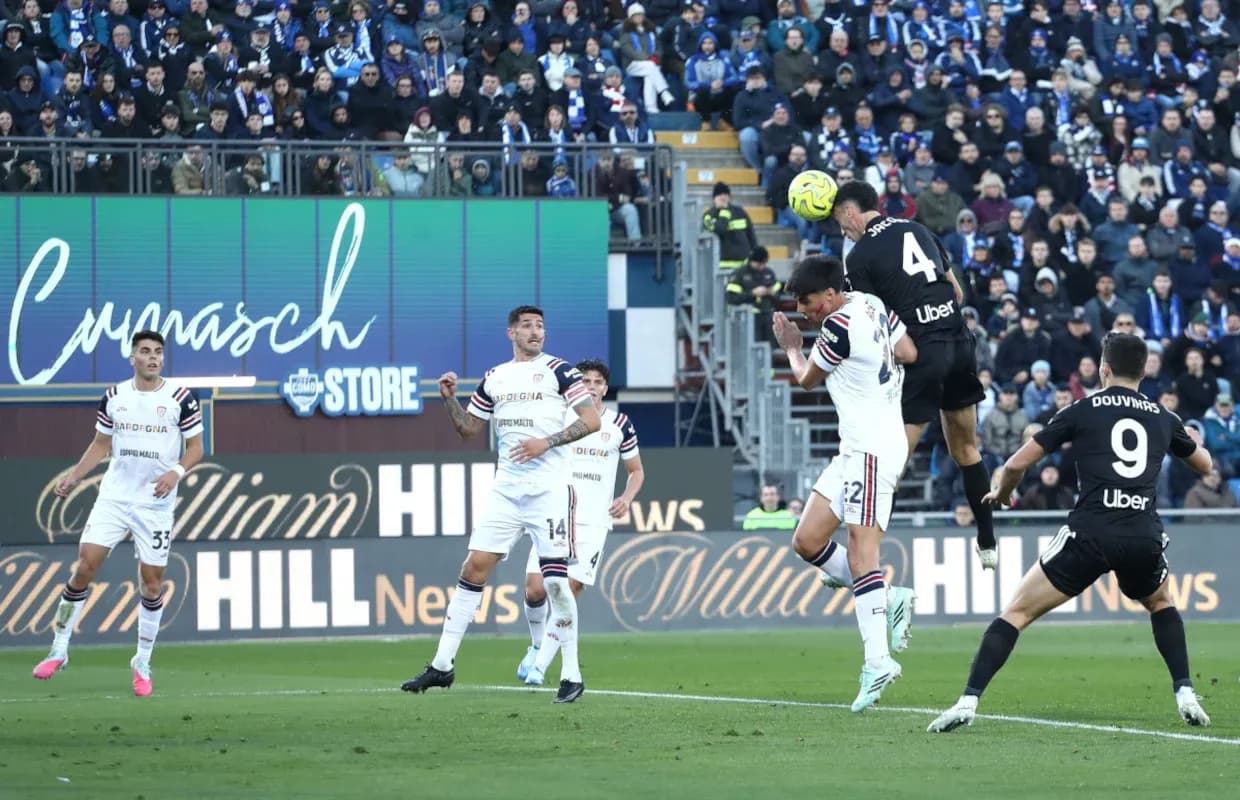
Como's Tactical Maturity Shines in 2–0 Victory Over Cagliari
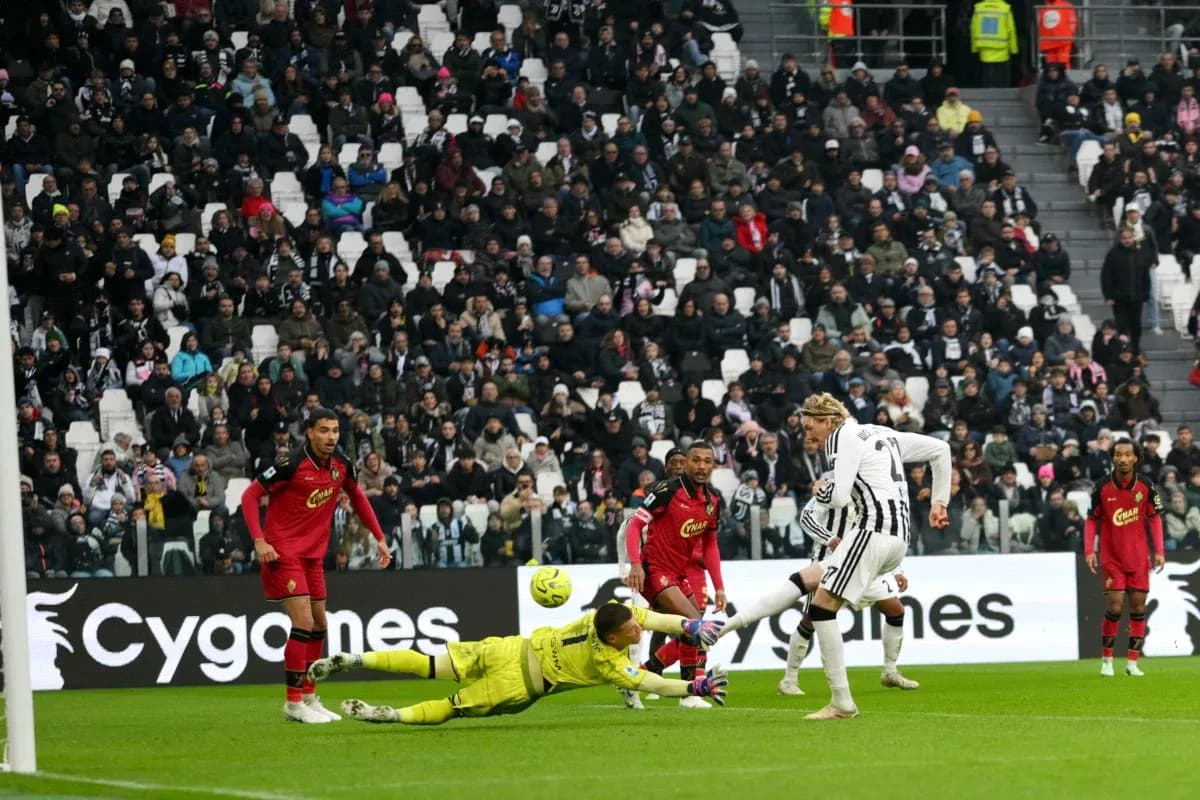
Stadio Giuseppe Sinigaglia has rarely felt as assertive as it did on this Serie A afternoon. Under the low Como sky, Cesc Fàbregas’ side delivered a 2–0 home win over Cagliari that was less about a single moment and more about a squad that now knows exactly what it is.
Heading into this game, Como sat 5th with 26 points from 12 matches, their overall goal difference a neat +10, built from 20 goals scored and 10 conceded. At home they had been close to immaculate: 5 matches, 4 wins, 1 draw, 7 goals scored and just 1 conceded. Cagliari arrived 11th, on 16 points, with a total goal difference of -7 (10 for, 17 against). On their travels they were volatile: 7 away games, 3 wins and 4 defeats, 7 scored and 13 conceded. The table already hinted at the story: Como’s structure and control against Cagliari’s fragility once they leave Sardinia.
Fàbregas doubled down on that identity with his trusted 4-2-3-1, a shape that has started 11 of Como’s 12 league matches. J. Butez anchored the back line behind a defence of Yan Couto, Jacobo Ramón Naveros, M. Kempf and Kaiki. In front, the double pivot of Luis Milla and S. Ricci gave Como their metronome, while the line of three – M. Liberali, L. da Cunha and M. Baturina – orbited around lone striker T. Douvikas.
Opposite him, F. Pisacane opted for a 3-5-2 that tried to compress the centre and protect a back three of Zé Pedro, R. Kofler and A. Deiola in front of E. Caprile. Wide, N. Grandu and A. Obert were asked to patrol the flanks, with M. Adopo, A. Romano and J. Fazzini forming the central band behind a front two of P. Mendy and D. Maldini.
If the shapes were familiar, the absentees reshaped the subplots. Como were without J. Addai (muscle injury), A. Diao (thigh), M. Kean (leg) and J. Rodriguez (injury) – four attacking or creative options who might otherwise rotate into the front line. It meant even more responsibility on Douvikas as the reference point and on the fluidity of Liberali and Baturina between the lines.
Cagliari’s missing core was arguably even more structural: M. Felici and J. Liteta (both knee injuries), Y. Mina (thigh) and H. Winks (back). Without Mina’s presence in the back line and Winks’ control in midfield, Pisacane had to lean on makeshift solutions: Deiola as part of a back three, and a midfield that had to be more industrious than authoritative.
The disciplinary backdrop only sharpened the tactical stakes. Como’s yellow-card pattern this season has been spread but telling: 25.00% of their yellows have arrived between 46–60 minutes and another 25.00% between 76–90, with 16.67% coming just before the break (31–45). They are clean in red cards, but those mid- and late-game bookings reflect a side that presses harder as matches open up.
Cagliari, by contrast, live on the edge. Their yellows peak late: 36.84% between 76–90 minutes and 26.32% between 46–60. They have also seen all of their reds arrive in the 91–105 window, a sign of a team that can lose emotional control in closing phases. With A. Obert already carrying one red this season and both J. Rodríguez and Zé Pedro high on the disciplinary charts, Pisacane’s back line walked into Como knowing that one mistimed challenge could tilt the game.
From a “Hunter vs Shield” perspective, the duel between T. Douvikas and Cagliari’s defensive record away from home framed the narrative. Douvikas came into this fixture with 5 goals in 12 appearances, supported by 25 shots (15 on target) and a habit of engaging in duels – 81 overall, with 36 won. He is not just a finisher; he is a constant wrestling point for centre-backs.
On their travels, Cagliari had conceded 13 goals in 7 matches, an away average of 1.9 goals against per game. Even when they win, they rarely keep the door fully shut. That put huge strain on Zé Pedro, R. Kofler and Deiola. Zé Pedro had already committed 10 fouls and taken 3 yellows in 12 games, while Deiola had 4 yellows and 11 fouls committed. Both are aggressive defenders; against a striker like Douvikas, who had drawn 20 fouls this season, the risk of dangerous free-kicks and bookings was baked into the matchup.
Behind Douvikas, Como’s “Engine Room” was orchestrated by Luis Milla and S. Ricci, but the creative edge came from the flanks and half-spaces. Yan Couto, one of Serie A’s leading assist providers, arrived with 4 assists and 17 key passes from right-back, combining high passing volume (665 total passes, 90% accuracy) with 12 dribble attempts and 14 tackles. Ahead of him, L. da Cunha and the roaming Baturina ensured that Cagliari’s left side – anchored by Obert and supported by Grandu – would be under constant rotation and overload.
On the other flank, the presence of N. Paz on the bench added a different creative profile. With 3 goals, 3 assists and 19 key passes this season, Paz has been one of the league’s most influential midfielders, also contributing 26 tackles and 7 successful blocks. His ability to step in and change the tempo from the bench underlined Como’s depth even with four attacking injuries.
Cagliari’s own hunter was D. Maldini, also on 5 goals for the season, with 15 key passes and a 78% pass accuracy. In theory, his drifting from the forward line into pockets between Milla and Ricci could unsettle Como’s structure. In practice, he was feeding off limited service from a midfield that has struggled to create consistently, reflected in Cagliari’s overall scoring rate of just 0.8 goals per game across the season.
Statistically, the tactical prognosis tilted heavily towards the hosts. Como’s overall scoring average of 1.7 goals per match, combined with conceding only 0.8, contrasted sharply with Cagliari’s 0.8 for and 1.4 against. At home, Como’s defensive record was even more suffocating: 0.2 goals conceded per game on their own pitch, with 4 clean sheets in 5. Given Cagliari’s away profile – 1.0 goal scored and 1.9 conceded per away outing – the most likely pattern was always Como controlling territory, probing through their full-backs and No. 10, and eventually breaking down a Cagliari side forced deeper and more desperate as minutes passed.
The 2–0 full-time scoreline simply confirmed what the numbers and structures had foreshadowed. Como’s squad, even without several attacking options, looked coherent, layered and tactically mature. Cagliari’s, stretched by injuries and disciplinary risk, could not match that balance – and on the shores of Lake Como, that gulf felt decisive.