Fernando Alonso: The Racer Who Refuses to Retire
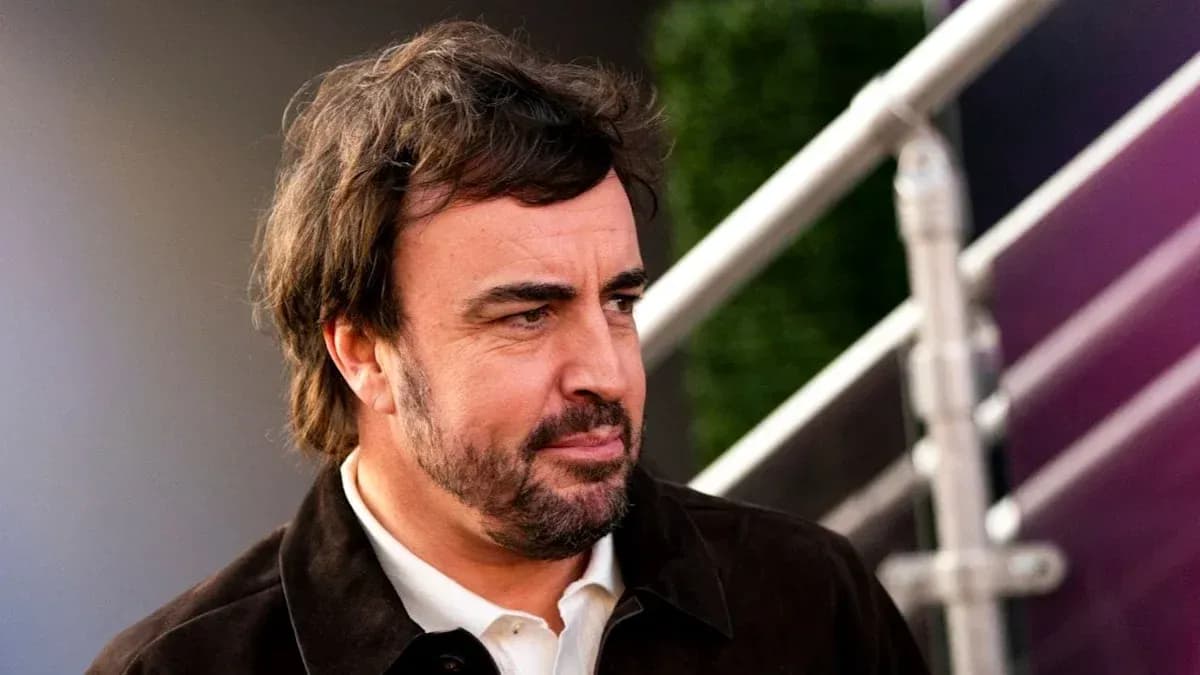
Fernando Alonso refuses to drift quietly to the back of the grid and disappear. Not now, not like this.
At 45, with a season spent largely in Formula 1’s shadows, the Aston Martin driver has made his position brutally clear: the stopwatch, not his birth certificate, will decide when he walks away. A bruising 2026 campaign will not be his farewell note.
Speaking in a 15-minute phone call for Aston Martin’s UNDERCUT series, recorded after the team caught up with him in Brazil and published on November 24, Alonso dismantled the idea that he and Lewis Hamilton should step aside simply to make room for younger names.
He will leave, he said, “when I feel slow, not when my passport says I'm this age or that age.”
For Alonso, the exit has to feel right. It has to come on his terms.
“I want to be at peace with myself when I stop racing. Having difficult results and races, as we have had this year, are not what I want to leave on,” he added. The message: this is not the ending of a two-time world champion.
So he signed up for more.
Aston Martin have confirmed Alonso will return in 2027, pushing any talk of retirement at least one more year down the road. He admitted he had wrestled with the current regulations and how these ground-effect cars must be driven, that he needed time to adapt. But he has adjusted, and crucially, he never truly felt he was done.
The fire that won’t go out
Strip away the noise and Alonso’s argument is stark. He does not believe anyone on the grid is better than him.
He insists he has not lost speed. The reflexes at the start? Still there. The appetite to grind through another race weekend? Undimmed.
At media day in Sepang, Malaysia, he put it in emotional terms, explaining that he still feels “that fire inside when I'm at the race weekend.” The idea of watching F1 from his couch, he admitted, would be almost unbearable right now. He even conceded that his 2019–2020 break from the sport is something he might approach differently if he had the chance again.
Then came the blunt version.
Speaking to BBC Sport, Alonso said that when he looks around the grid, the internal monologue is simple: “I'm better than that guy. I'm better than that other guy.” As long as he believes that, he cannot bring himself to stop.
A fan moment helped lock that in. He told Spanish outlet Diario AS that the reception he received at a fan forum during the Barcelona Grand Prix became the turning point in his decision to carry on. For a driver who has lived every high and low in public, that roar still matters.
Master of chaos, searching for order
The results sheet says this has been a hard year. The weather keeps trying to drag him back into the spotlight.
On October 4 in Sepang, the skies opened. The Bahrain Grand Prix, held in Malaysia, stretched to more than three hours after a deluge at the start. In the mess and spray, Alonso did what Alonso has so often done: he found opportunity in the confusion and brought the car home in eighth, his best finish of the season.
Over the radio, when race engineer Tom Stallard confirmed the result to Oscar Piastri, the Australian paused, then summed up what so many in the paddock think. Alonso, he said, is “always the master of chaos.”
Alonso does not want that to be the only story left about him: the old fox who thrives only when the race falls apart. He believes he can deliver the same kind of results without rain, red flags and safety cars turning a grand prix upside down.
A month later in Brazil, the clouds gathered again. Alonso was first out in qualifying at Interlagos as the weather closed in and, this time, he turned the threat into a breakthrough. He reached Q3 for the first time all season and finished ninth fastest in the wet. His verdict was simple: that first Q3 of the year “feels good.”
But dry tracks strip away romance. They show the raw deficit.
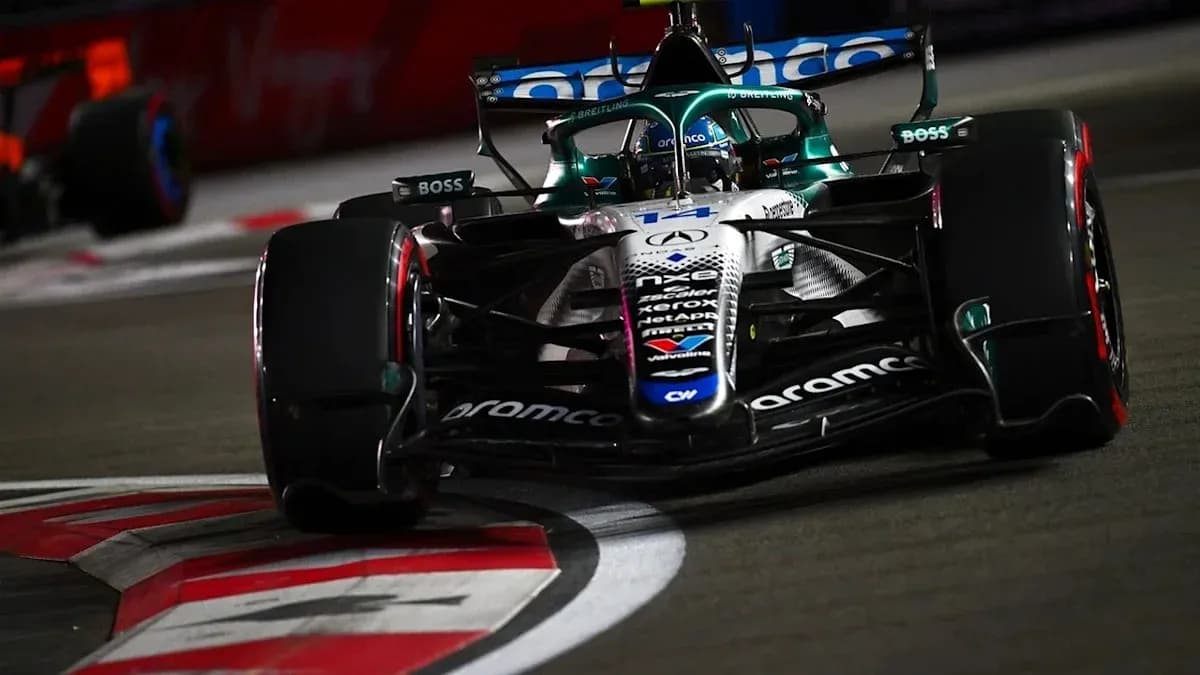
On power circuits such as Las Vegas, Alonso says Aston Martin are losing more than two seconds a lap on the straights alone. In his view, the gap comes down to Honda’s power unit. If he is staying for 2027, it is because he wants to see that weakness tackled with cold-eyed discipline.
He is not asking for sympathy. He is asking for structure.
What he wants from 2027 is a team that works with a clear, relentless plan around the power unit, a group that matches his standards of preparation and execution. Behind the scenes, he says, that work has already started, and it gives him confidence that next year can look very different.
It is a bet on a car that does not yet exist, on a package still in drawings and simulations. For a 45-year-old who judges himself only against the clock, it is the only kind of bet that still makes sense.
The question now is not whether Fernando Alonso can keep going. It is whether Aston Martin and Honda can build a machine worthy of the man who refuses to slow down.