India's Bowling Trust Ahead of Christchurch Test
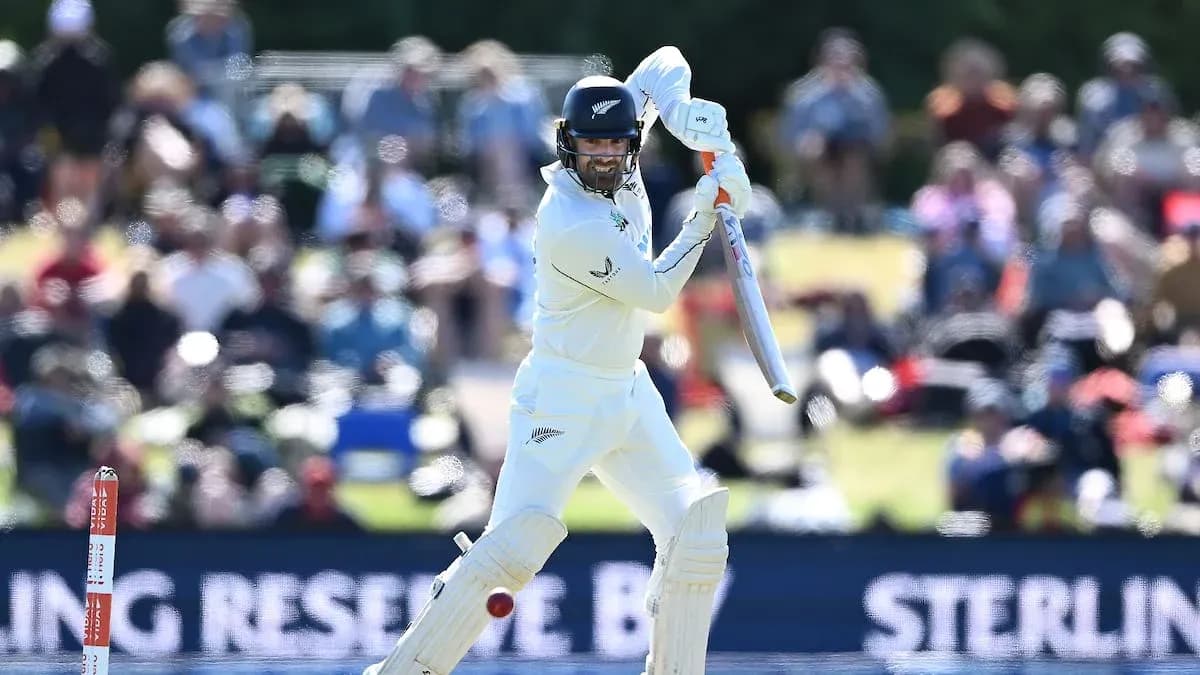
Hagley Oval beckons with a different kind of promise. Green tinge, live bounce, cloud cover in the forecast. After a flat, unforgiving Basin Reserve surface that left India’s quicks straining for breakthroughs, the second Test in Christchurch offers something they have been craving: help.
Shubman Gill, though, is not in the mood for sweeping changes.
Same bowlers, spicier pitch
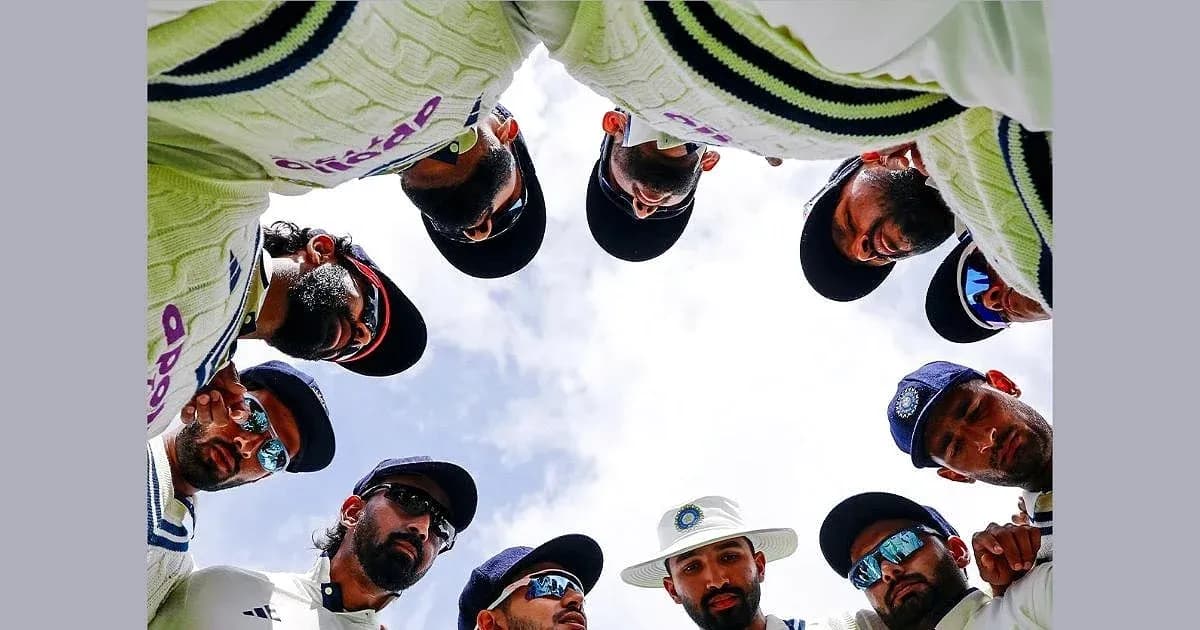
India’s pace quartet in Wellington – Jasprit Bumrah, Prasidh Krishna, Anshul Kamboj and Akash Deep – toiled through New Zealand’s second innings with almost nothing in the pitch for them. The draw felt inevitable long before the captains finally shook hands.
Gill stood by his attack.
He pointed to fatigue rather than failure, suggesting his seamers had simply run out of steam on a surface that refused to deteriorate. When pressed about the decision to settle for a draw with an hour still on the clock, he admitted conditions had dictated the call. “If there was a little bit more in the wicket, maybe,” he said, hinting at what might have been with just a fraction more assistance.
They should get that in Christchurch.
Hagley Oval has long been kind to fast bowlers and stroke-makers alike. Reports of a grass-tinged surface, bounce in play and rain around the opening day will have India’s quicks itching to get the ball in hand. This time, they can expect the pitch to join the contest.
Bumrah, back in Test whites after another long injury layoff, slipped straight into his old role as leader of the attack. His four-wicket haul in the first innings in Wellington underlined his class, and he ended the match with 5 for 134 from 49 overs – a heavy workload on a flat deck, and a reminder that if there is life in the surface, he will find it.
Siraj noise, Gill’s clarity
Outside the dressing room, the loudest debate has circled around a man who did not play in Wellington: Mohammed Siraj. His omission sparked immediate clamour, the argument being that a proven Test seamer should not be cooling his heels when conditions might suit him.
Gill’s response has been calm and consistent. He does not see a major shake-up coming.
“Honestly, not really. Maybe we’ll see how the wicket is, but I think most of the team is going to be the same. Everyone, I thought, did decently well,” he said, signalling faith in the group that started the series.
That stance leaves Siraj on the fringes again unless India rip up the script at the last minute. The more realistic tweak lies elsewhere.
Sundar or Reddy – the fifth-bowler question
If there is a selection fault line, it runs through the all-rounder slot. Washington Sundar played in Wellington, took just one wicket and scored 26 in India’s monumental 720 for 9. On a flat pitch where the quicks needed a breather and the game drifted, his off-spin never truly came into it.
Hagley Oval is rarely a spinner’s paradise. That reality also dims the chances of Ravindra Jadeja walking back into the XI here, despite the noise around his absence from the Test side. On this ground, picking a specialist spinner can look like a luxury.
Which brings Nitish Kumar Reddy into focus.
As a seam-bowling all-rounder, Reddy offers something India did not quite have in Wellington: a genuine fifth pace option who can share the load if the surface lives up to its billing. On a lively track, that balance could be priceless. Dropping Sundar for Reddy would tilt the attack fully towards seam without gutting the batting, and it is the one change that feels both logical and tempting.
Batters in cruise control
While the bowlers hunted for help from the pitch, India’s batters needed none. They put on a show in Wellington.
All five top-order players crossed fifty in the first innings, turning the Test into a batting exhibition. K L Rahul and Rishabh Pant lit up the match with hundreds that will linger in memory – Rahul with his authority, Pant with his familiar, audacious flair. Behind them, Dhruv Jurel, at No. 7, smashed a brisk 78 that underlined his value as a wicketkeeper-batter and deepened India’s already imposing lineup.
With that kind of collective form, there is little reason to tinker. Yashasvi Jaiswal, Devdutt Padikkal, B Sai Sudharsan and the rest of the batting group hovering around the XI know they may have to wait. This is a top order that has earned another crack at an injury-hit New Zealand attack.
The hosts’ resources with the ball are stretched. India’s batters, sensing vulnerability, will eye Hagley Oval as a chance not just to win a Test, but to pad their numbers in a country that has not always been kind to visiting line-ups.
A contest shaped by trust
So Gill arrives in Christchurch with a clear message: trust the core, trust the plan. The pitch will change. The pressure will rise. The personnel, barring a possible Sundar–Reddy swap, probably will not.
It leaves one central question hanging over Hagley Oval.
On a surface finally expected to favour fast bowling, will India’s faith in their existing pace pack – and their reluctance to unleash Mohammed Siraj – look like conviction, or a risk that invites New Zealand back into the series?