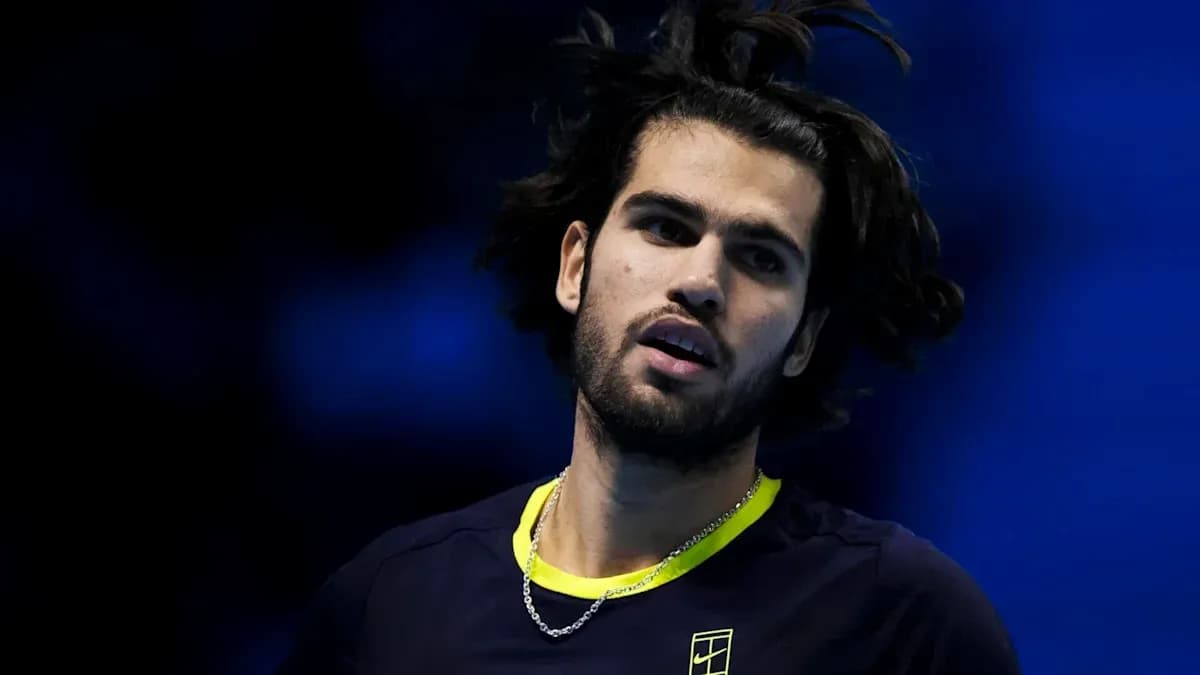
Carlos Alcaraz's Remarkable Indoor Surge in 2026 ATP Finals
Carlos Alcaraz has spent most of 2026 walking a tightrope between brilliance and fragility. Now, as the season closes in Turin, he stands one win from ending it as emphatically as it began.
He opened the year by tearing through the Australian Open, lifting the trophy at his very first attempt and becoming the youngest man ever to complete the Career Grand Slam. A 16‑match winning streak underlined the statement: this was Alcaraz at full roar, trampling over history and expectation alike.
Then his body slammed on the brakes.
A right wrist injury during the clay swing wrecked the middle of his year. No Roland Garros. No Wimbledon. For a player who has built so much of his aura on big‑stage fearlessness, watching from the sidelines while the sport’s grandest theatres carried on without him could easily have left scars that went beyond the physical.
Instead, the comeback has redrawn the map of his game.
Becker taken aback by Alcaraz’s indoor surge
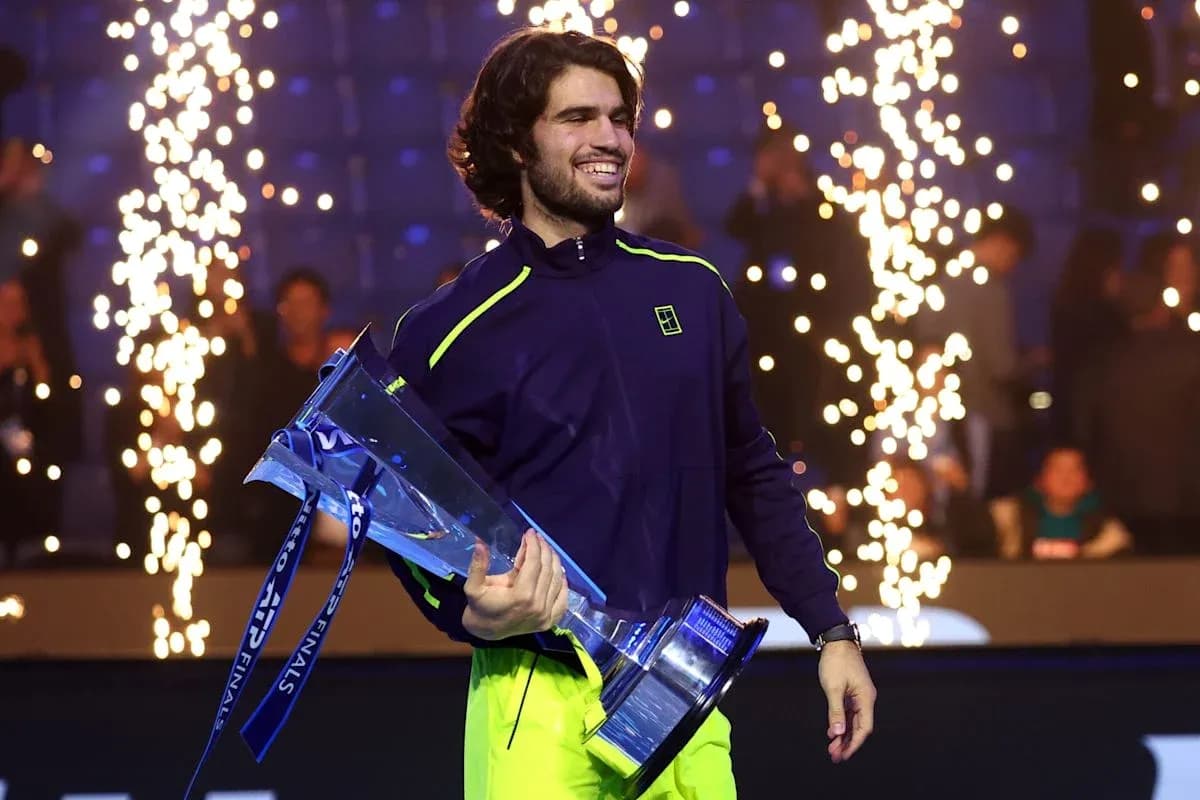
Now in the final of the ATP Finals, riding a 13‑match winning streak after dismissing former world No 1 Ben Shelton, Alcaraz has forced even the most seasoned observers to rethink what they thought they knew about him. One of them is Boris Becker.
Speaking to La Gazzetta dello Sport, Becker admitted he did not see this level coming so quickly after the layoff, especially under the lights and echo of indoor hard courts – conditions that have never been Alcaraz’s natural playground.
“I was surprised to see him play so well after returning from injury,” Becker said. “Historically, he's never felt so comfortable indoors, but this year something has changed. He's playing the best indoor tennis of his career. We saw it in Vienna and Paris, but this Turin surface is one of the fastest I've seen.”
That is not hollow praise. Before 2026, Alcaraz owned just two indoor hard‑court titles, one of them the Next Gen ATP Finals back in 2021. His power and creativity thrived outdoors, on clay and slower hard courts where he could stretch rallies and improvise. Indoors, the ball rushed him; the conditions dulled some of his variety and exaggerated the odd loose patch on serve.
This autumn, that script has been shredded. Since returning from the wrist injury, Alcaraz has gone a perfect 14‑0 on indoor hard courts. He swept to the title in Vienna, then backed it up with a commanding run at the Paris Masters. Now he has marched into the ATP Finals championship match without blinking.
The surface that once exposed him is now amplifying him.
Return game sets him apart
Asked about Alcaraz’s serve, Becker chose to spotlight something else – the shot that is quietly defining his season.
“I'd also add his return,” Becker said. “Returning indoors is difficult because the ball comes so quickly. He, on the other hand, is returning very well and continues to move exceptionally well even though he's a little bruised. I didn't expect such a high performance in these tournaments.”
The numbers back him up. On the ATP Tour’s own metrics, Alcaraz owns the best return rating of the year and stands alone as the only player to have won over 30% of his return games. On fast indoor courts, where servers usually dictate, he is flipping the dynamic. Opponents step to the line knowing that even a good first serve might only buy them a neutral point, not a free one.
That pressure accumulates. It turns tie‑breaks, breaks resolve, and tilts tight sets. For a player still managing the after-effects of a hamstring issue in Turin, the fact he can lean on that return and his movement – “a little bruised,” as Becker put it, but still sharp – says plenty about the depth of his game.
One more hurdle: Zverev
All that stands between Alcaraz and a first ATP Finals crown is the world No 1, Alexander Zverev. Their rivalry is already dense with momentum swings: Alcaraz leads 7–6 in their head‑to‑head, but Zverev holds a pointed advantage where it matters this week. He has won both of their previous meetings at this very event.
Those scars linger. Zverev’s flat, heavy game has often translated well indoors, and he knows how to use the quick court to squeeze time and space from Alcaraz’s flamboyant shot‑making. The Spaniard, though, is not the same indoor player he was in those earlier duels. The serve has tightened, the return has become a weapon, and the belief – after Vienna and Paris – is no longer theoretical.
From Melbourne glory to months in the treatment room, from doubts about his durability to the most ruthless indoor run of his young career, Alcaraz has turned a fractured season into a different kind of statement.
One more night in Turin will decide whether 2026 goes down as a year interrupted, or the year he proved he can own every surface, in every arena, against everyone.