Fury: A Deep Dive into Tyson Fury's Life and Struggles
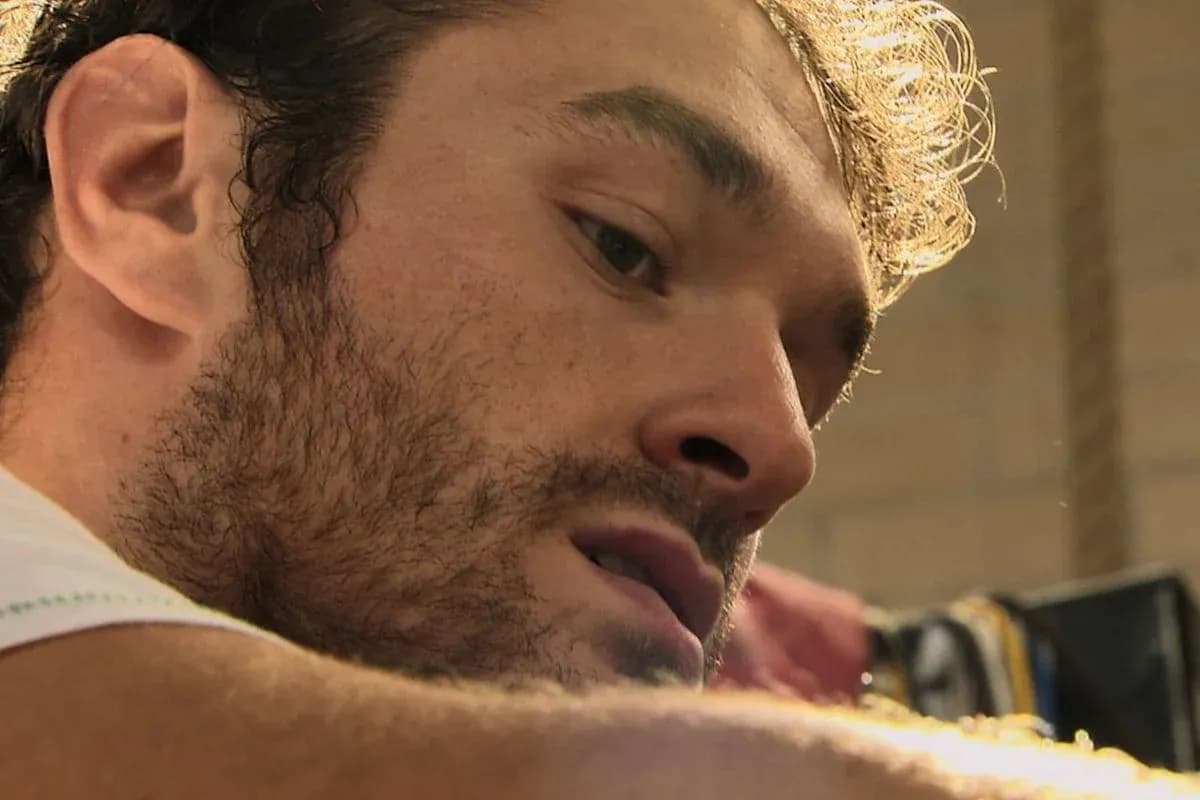
Tyson Fury has spent a career locking eyes with danger. In Lucy Wilcox’s new Netflix documentary, he locks eyes with the camera instead – for nine separate three-hour interviews. He never looks away. She notices. You feel it.
The result, Fury, is a 90‑minute dive into the chaos and contradictions of a former two-time world heavyweight champion, told not through a parade of pundits but through the people who orbit him: Tyson, his combustible father John, and his wife Paris.
A family under the lights
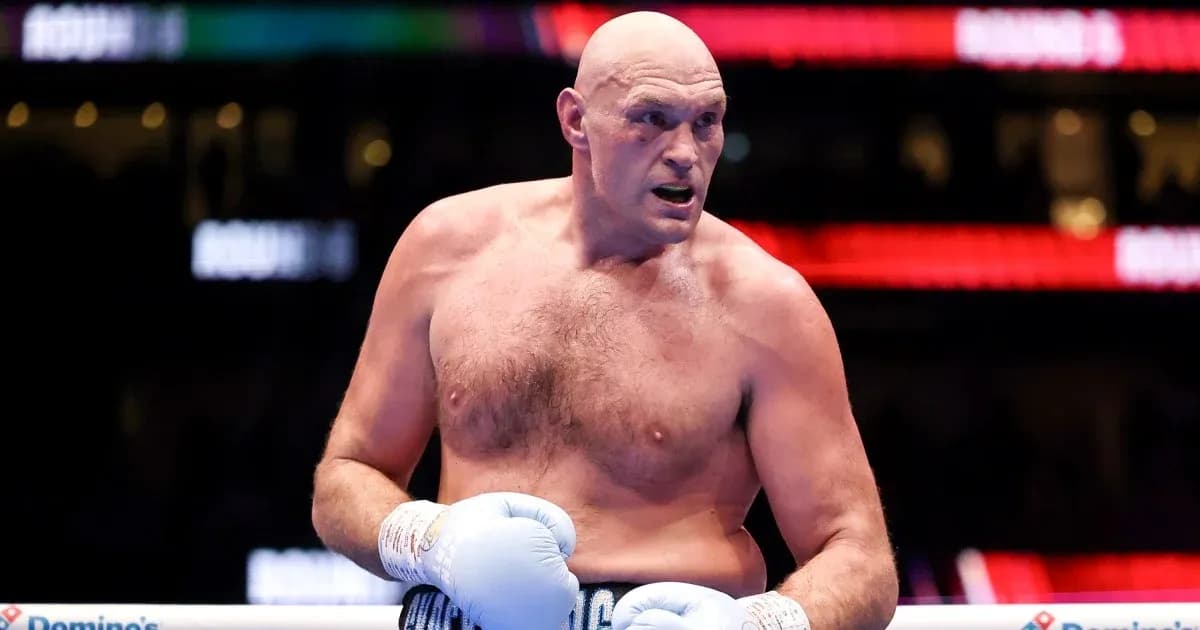
The film stitches together fresh interviews with archival footage to build a portrait that boxing fans will recognise but still feel unsettled by. The big beats are familiar: the rise, the fall, the improbable resurrection. If you follow the sport, you can see the end coming a mile off – Tyson’s first fight with Deontay Wilder in 2018, that surreal night in Los Angeles when he outboxed the American for most of 12 rounds, was dropped heavily in the last, and somehow dragged himself off the canvas as if pulled by a wire.
For the hardcore, that predictability may grate. Wilcox herself admits she knew nothing about boxing when she started. This is not a forensic breakdown of Fury’s feints and footwork. It’s a family drama that happens to be built around a giant who can punch through walls.
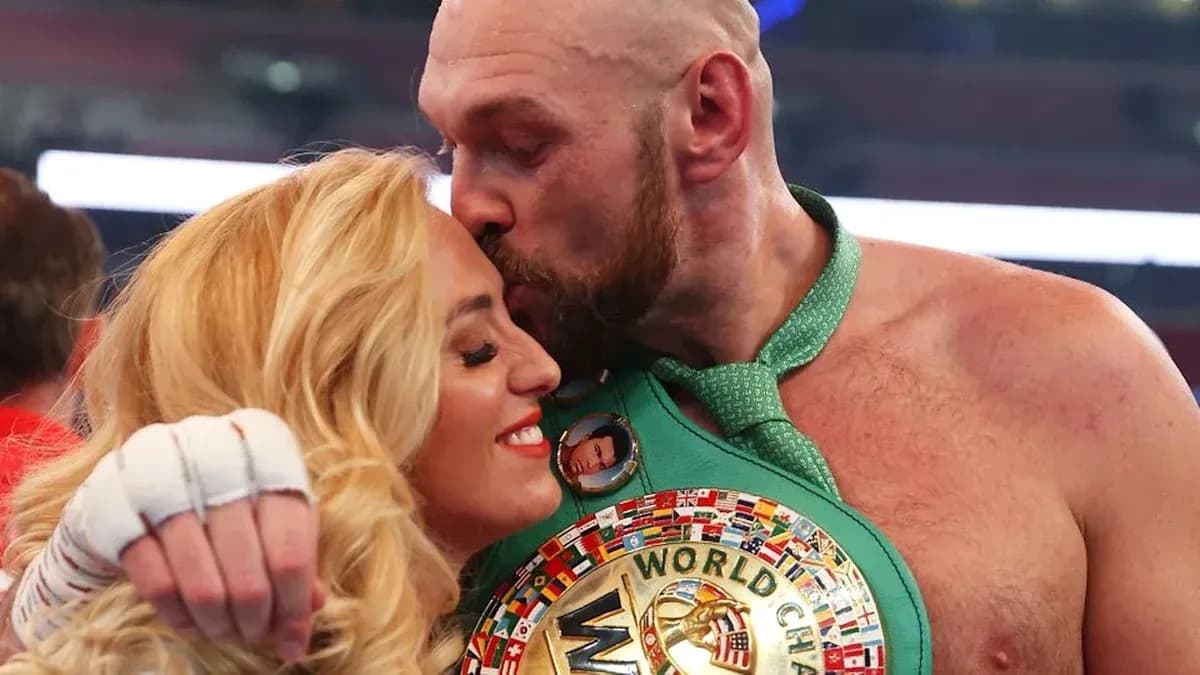
Paris, familiar to Netflix viewers from At Home With The Furys, emerges again as the quiet axis on which the chaos spins. Tyson’s childhood sweetheart absorbs the storms, translates his moods, and, as Wilcox puts it, “shines a light on him” when his own memory chooses to duck and weave.
Inside Tyson’s head
Fury has long spoken publicly about being bipolar. Here, the admissions go darker. He talks about being hospitalised during his 2016 exile from the ring, about hearing voices, about having a “full-on conversation with the radio”. The film notes an official schizophrenia diagnosis – one Paris can reportedly confirm – even as Tyson rejects the word itself.
Wilcox doesn’t label him clinically on screen, but she does share her own conclusion: “He’s a narcissist,” she says, recalling how they looked it up together and he immediately recognised himself. The line isn’t delivered as an insult. She describes him as gentle, camp, even quite feminine. Complicated. Hard to pin down. That’s the point of the film: to get close enough to understand him, even when she’s not sure she likes him.
The access cuts both ways. With no outside talking heads, no trainers, promoters or journalists filling in the gaps, the story stays tightly locked on the Fury inner circle. At times, you sense how a bit of distance might have sharpened the edges. But Wilcox does manage to draw something raw from a man who can be as elusive in interviews as he is slippery on fight night. There are moments when Tyson’s eyes redden and the bravado thins.
Breaking John Fury
The real breakthrough, though, comes with John Fury. He looms over Tyson’s story – a travelling man, a former bare-knuckle fighter, a figure as divisive as his son. The film tackles his prison sentence for gouging out another man’s eye, and the moment he revealed to a young Tyson that he’d secretly been running two families at once.
Wilcox admits she went in wanting to “break him”. John’s stock phrase – “It is what it is” – has long been his armour. She wanted him to see that sometimes it isn’t. In one of the film’s most arresting scenes, he talks about Tyson’s 2017 comeback and suddenly drops the macho script. “That’s what I call a man – not what I’ve been,” he says, voice catching. For a second, the patriarch steps aside and you glimpse the regret underneath.
The missing shadows
Given the film’s likely audience, the narrative drive towards Wilder I makes commercial sense. The bout is the natural endpoint: Fury’s incomprehensible performance, the skill, the knockdown, the resurrection. But the road there is paved with a 2016 meltdown that still divides opinion in boxing circles.
The documentary leans into the well-known beats: the drinking, the drugs, the weight gain, the public talk of not wanting to live. What it doesn’t touch is the failed drug test for nandrolone that still fuels arguments among purists about what really sent Fury into that spiral. Nor does it mention his link to MTK Global and Daniel Kinahan, the suspected Irish crime boss who cast such a long shadow over the sport.
Wilcox insists those conversations did happen. She says all of it was discussed, and that those strands would have stayed in if the project had remained the six-hour series it started as, rather than being cut down to a single feature. You can feel where a different, more forensic version of this story might have gone. That’s not the version Netflix has made.
Controversy, grief and the garden grave
The film doesn’t completely sidestep the uglier headlines. Tyson’s history of sexist and homophobic remarks is addressed, with Wilcox offering her own reading: she argues he isn’t sexist or homophobic, but notes that when challenged he tends to dig in “like my kids would”. It’s an unvarnished, sometimes uncomfortable insight into a man who still seems to treat public outrage as just another opponent to be walked down.
The heaviest blows in Fury, though, don’t come from opponents or critics. They come from loss. The documentary lingers on the death of Tyson’s uncle and trainer Hughie, whose life support was switched off, and on one of the three miscarriages Paris endured.
In that case, Tyson chose to bring the baby home and bury them in the garden with his brothers. He describes locking the memory away in “the deepest, darkest locker” in his mind. It’s a harrowing image, made even starker by the reminder that Tyson himself was born eight weeks premature and, as he tells it, “dying three times” in hospital. He survived. The baby in the garden did not.
The fifth retirement and the road ahead
When Wilcox sat down with Fury, he was in the middle of what he called his fifth retirement from boxing. Around him, the sport was still swallowing men whole. His friend Ricky Hatton, another British icon, had taken his own life. Those details hang over the film’s closing stages, a quiet threat humming beneath the familiar talk of comebacks and legacies.
Fury ends on a sombre note, not with a belt raised but with a question mark over the man who wore it. Wilcox and Netflix have chosen to tell one chapter, tightly framed and emotionally loaded, rather than the full, sprawling saga. The fights, the scandals, the unanswered questions – they’ll all be waiting if the cameras return.
The more pressing issue is whether Tyson Fury, the man who once dragged himself off the canvas in Los Angeles, can keep finding a way up when the bell stops ringing for good.