Tyson Fury: Battling Schizophrenia in the Shadows of Boxing
Tyson Fury has spent the last decade trading punches with the world’s biggest heavyweights. The more brutal fight, though, was taking place where no cameras could see it.
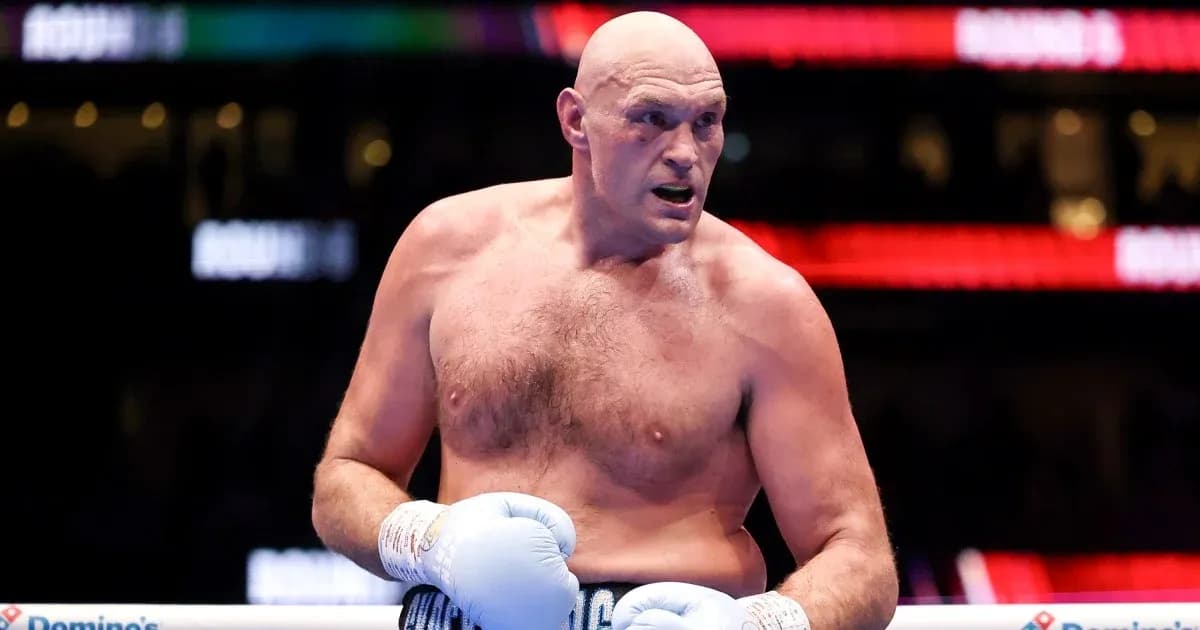
In a new Netflix documentary, Tyson Fury, "The Gypsy King", the former unified heavyweight champion reveals he was diagnosed with schizophrenia shortly after the greatest night of his professional life — his 2015 victory over Wladimir Klitschko.
The timing is stark. While the boxing world hailed a new king after Fury ripped the belts from Klitschko in Düsseldorf, the man himself was sliding into a darkness he could barely name.
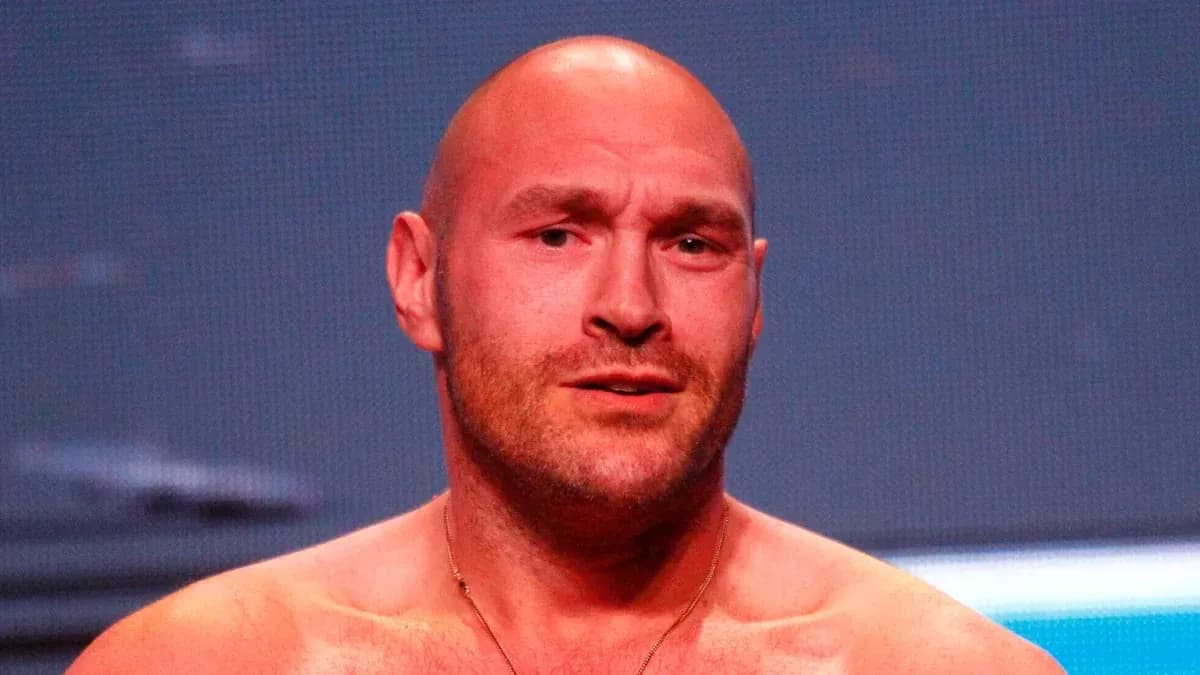
“Words can't explain the darkness I was in,” Fury says in the film, as reported by Variety. “I came from the living version of the pits of hellfire. And I 100% thought at times I'd end up in a padded room with the door locked, and that scared me so much.”
The image is chilling: a 6-foot-9 heavyweight, undefeated and on top of the sport, convinced he was headed not for more title defenses, but for a locked ward.
The anxiety, he explains, didn’t creep in. It crashed over him.
“I was waking up in the night like this, the anxiety was crippling me. I just could not overcome it. Completely gone, and that's when I went and saw the psychiatrist down in London. She asked me like a gazillion questions, and I ticked all the boxes, whatever was going on. Depression, anxiety, bipolar disorder.”
Around that same period, Fury was also diagnosed with bipolar disorder, something he has spoken about publicly before. The schizophrenia diagnosis, though, adds another layer to a story already marked by chaos, self-destruction, and improbable comebacks.
The documentary, produced by Optomen (part of Banijay Entertainment) and directed by Lucy Wilcox, pulls in the people who have watched Fury unravel and rebuild at close range. For his wife, Paris, the label didn’t immediately fit the man she knew.
"He's a mild schizophrenic and even then the penny didn't drop," Paris Fury says. "It was like, don't be silly. What's she on about? Schizophrenic, maniacs are schizophrenic. You're not schizophrenic, you know?"
That reaction captures a familiar stigma. The word itself lands like a verdict. In the Fury household, it took time to understand it as an illness, not a character flaw.
His father, John Fury, goes further, admitting that the signs were there long before the belts and the bright lights.
"I can tell you this: When I look back, it's always been there," he says. "Me being who I am and no understanding of anything, I didn't want to see a depressed kid – and if I did see it, I paid no mind to it. But I understand now. It's an illness, a terrible illness. I suffer with it myself."
That confession reframes Tyson’s story as part of a family struggle, not an isolated case. The fighter who became the public face of mental health in boxing grew up in a house where the condition existed but went unnamed, ignored, or pushed aside.
The cost was enormous. Fury’s mental health battle ripped him away from the sport at the very moment he should have been cementing his reign. After beating Klitschko, he disappeared for nearly three years, his life spiralling through weight gain, substance abuse, and suicidal thoughts, all underpinned by the diagnoses he now lays bare on camera.
He did come back. He rebuilt his career, reclaimed portions of the heavyweight crown, and turned himself into one of the sport’s biggest global attractions. Yet the pursuit of undisputed status slipped from his grasp. In 2024, Oleksandr Usyk beat him twice, ending the dream of a single, unquestioned champion and adding another jagged edge to Fury’s story.
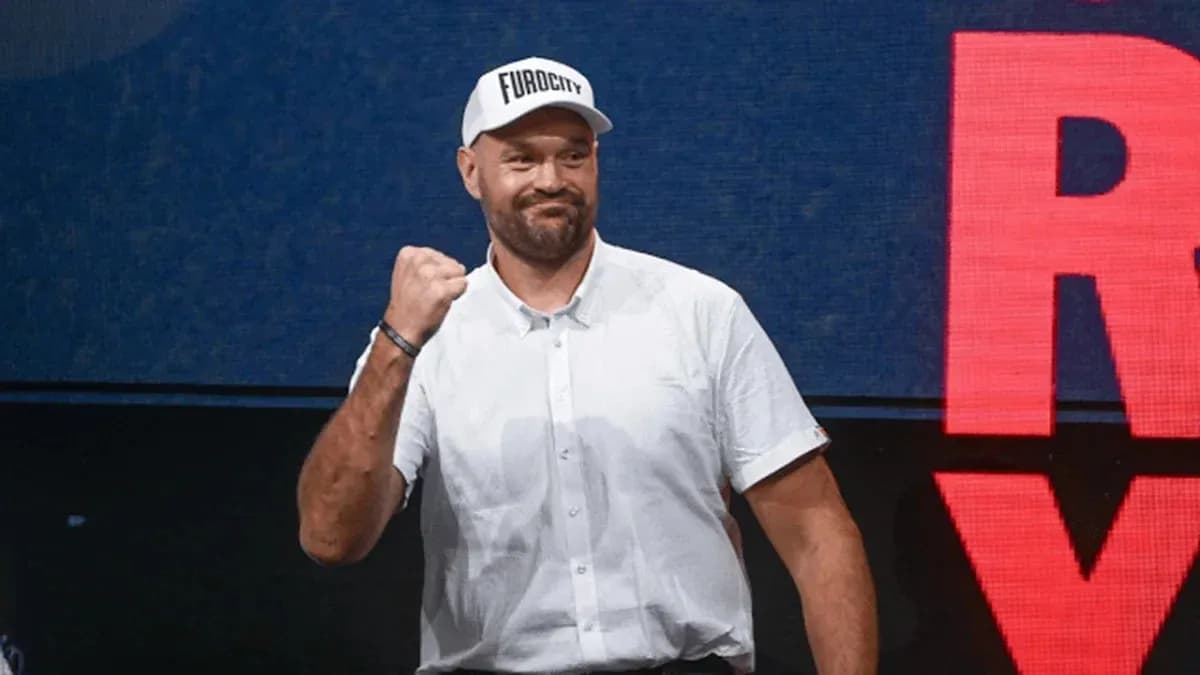
The documentary arrives at a delicate moment. It will debut on November 27, just two weeks before Fury is scheduled to fight Anthony Joshua on December 11 at Principality Stadium in Cardiff, Wales.
For years, Fury has sold fights with bravado, insults, and theatre. This time, the backdrop is different. The cameras track not just the build-up to another blockbuster night, but the long, unseen war that almost kept him from reaching it at all.
The question now is not just whether Tyson Fury can reclaim supremacy in the ring. It’s how a man who has walked through what he calls “the pits of hellfire” continues to live, and fight, with all of that still echoing in his head.