Tyson Fury: Confronting Schizophrenia in New Documentary
Tyson Fury has never hidden from a fight. Now, for the first time, the world is about to see the name of the opponent that nearly broke him.
In a new Netflix documentary, scheduled for release on Friday, the former heavyweight champion reveals he has been diagnosed with schizophrenia – a stark, deeply personal detail that has never previously been made public, despite years of discussion around his mental health.
The film, directed by Lucy Wilcox, traces Fury’s chaotic, extraordinary journey: from the summit of the heavyweight division in 2015, to his long disappearance from the sport, and then his unlikely resurrection as a two-time world champion. But the most searing punches in this story are thrown far from the ring.
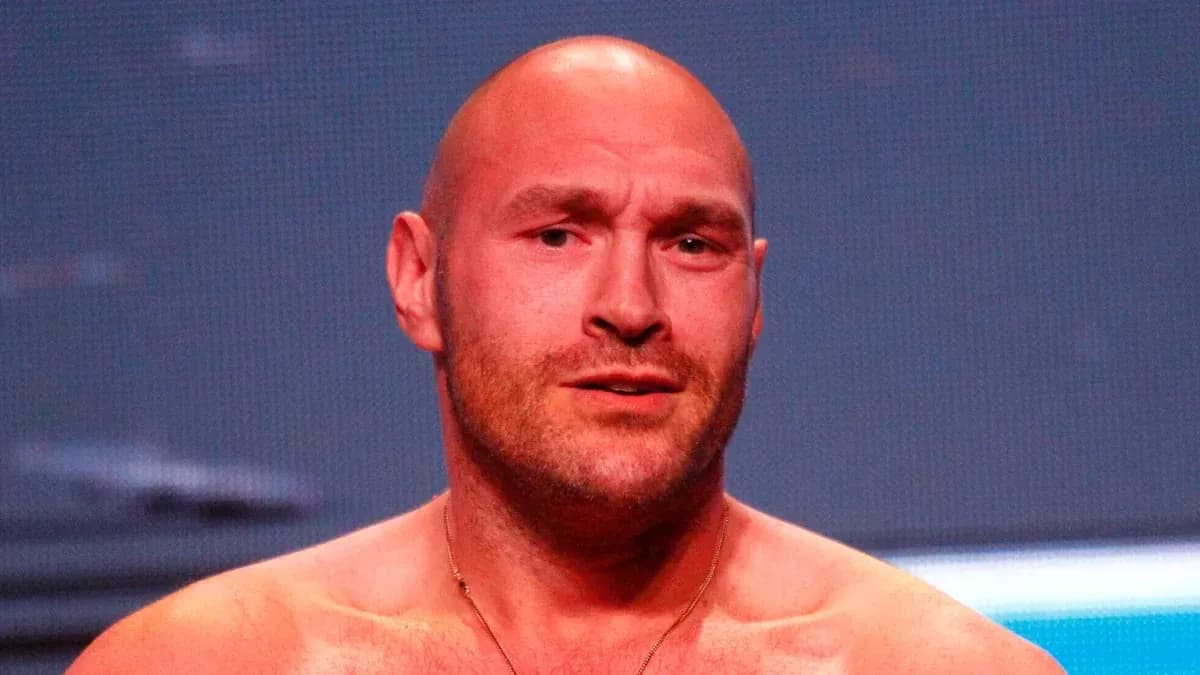
“Words can't explain the darkness I was in. I came from the living version of the pits of hellfire,” Fury, now 37, says in one of the documentary’s central moments, in a quote released by Netflix. “And I 100% thought at times I'd end up in a padded room with the door locked, and that scared me so much.”
The language is raw. So is the picture he paints of his nightly torment.
“I was waking up in the night like this, the anxiety was crippling me. I just could not overcome it,” he says. That crisis finally drove him to seek professional help. “Completely gone, and that's when I went and saw the psychiatrist down in London. She asked me like a gazillion questions and stuff, and I ticked all the boxes, whatever was going on. Depression, anxiety, bipolar disorder…”
Schizophrenia sat in that cluster of diagnoses. For Fury and those closest to him, the word landed like a thunderclap.
His wife, Paris, who features heavily in the documentary, admits she struggled to accept what she was being told. “It was like, don't be silly. What's she on about? Schizophrenic, maniacs are schizophrenic. You're not schizophrenic, you know?” she says, capturing the stigma and confusion that still cling to the condition.
His father, John, looks back with a different kind of regret. He recognises the signs now. “It's always been there,” he says. “Me being who I am and no understanding of anything, I didn't want to see a depressed kid. And if I did see it, I paid no mind to it. But I understand now. It's an illness, a terrible illness, I suffer with it myself.”
The US National Institute of Mental Health defines schizophrenia as “a mental disorder characterized by disruptions in thought processes, perceptions, emotional responsiveness, and social interactions.” It lists symptoms such as hallucinations, delusions, disordered thinking, blunted emotions, reduced motivation, difficulties with relationships, and cognitive and motor impairment. In Fury’s case, those clinical terms translate into nights of terror, days of chaos, and a constant battle to stay afloat.
The documentary does not stop at diagnosis. It tracks the spiral.
Fury speaks openly about his drug and alcohol abuse, and the moment he realised how far he had fallen. Halloween night, 2017. No title belts, no sold‑out arenas. Just a man hiding in plain sight.
“I went out and I was embarrassed of how I looked, I was a fat mess and I had this big costume on, a glow in the dark skeleton suit and I thought no one would recognise me in this,” he recalls. Then came the jolt. “And I looked around me and I could see all like young people and I thought I've had the world in my hands and I threw it all away. And now, I'm just a fat mess, addicted to alcohol and, go home.”
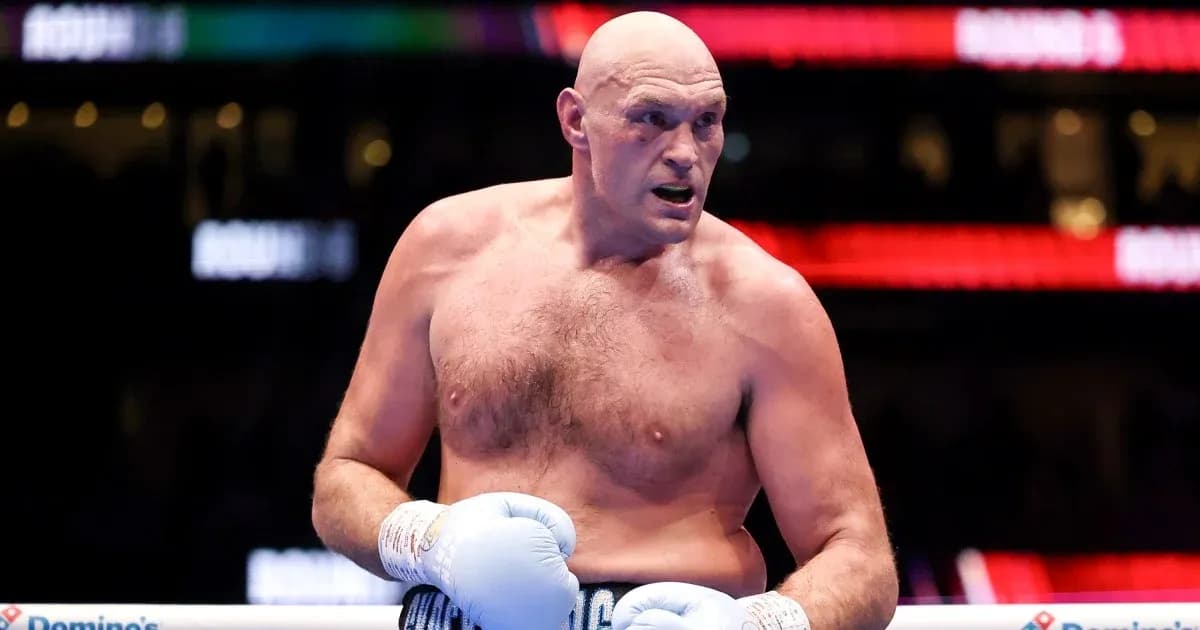
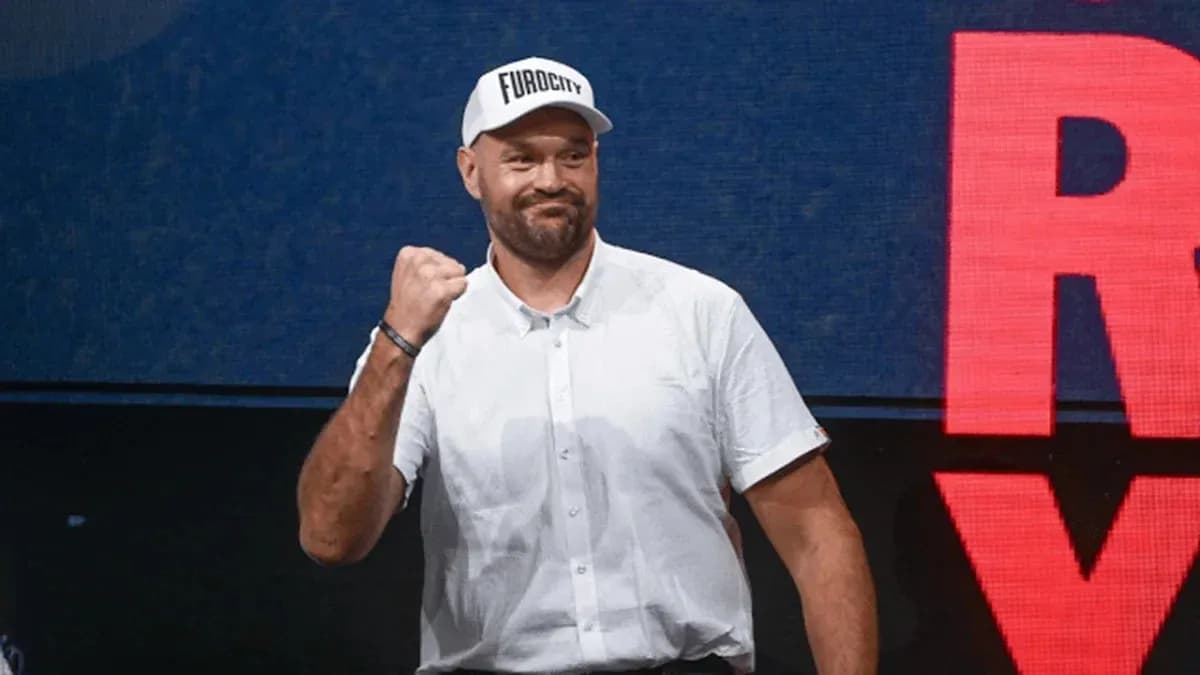
That was the turning point. From there, the film charts his climb back from the brink. Fury, who had walked away from boxing after first becoming heavyweight champion of the world in 2015, fought his way into shape, fought his way back into contention, and in 2022 reclaimed a version of the heavyweight crown. It was a sporting revival that mirrored his personal one.
The story, though, refuses any fairytale gloss. In May 2024, Fury lost his title to Oleksandr Usyk, the masterful Ukrainian who outboxed him in a unification showdown. Fury returned for a rematch in December that same year, only to lose again, and announced his retirement in the aftermath.
Retirement did not stick. It rarely does for great heavyweights.
By 2026, Fury was back in the ring, stacking up two more wins and pushing himself into the conversation again. The documentary arrives with his career at yet another crossroads: he is now set to face fellow English heavyweight Anthony Joshua in Cardiff on December 11, a fight that will grip the British sporting public.
For years, Fury’s battles with depression and addiction have been part of his myth, woven into his comeback story and his public persona. This film goes further. It names the illness, shows the fractures inside the family, and sets his achievements against the reality of a man living with schizophrenia.
The belts have come and gone. The noise around him rises and falls. The next chapter takes him to Cardiff and Joshua, another giant of the era. The question now is not just whether Tyson Fury can win again, but how long he can keep outboxing the shadows that have followed him from the start.