Tyson Fury: Battling Mental Illness in a New Documentary
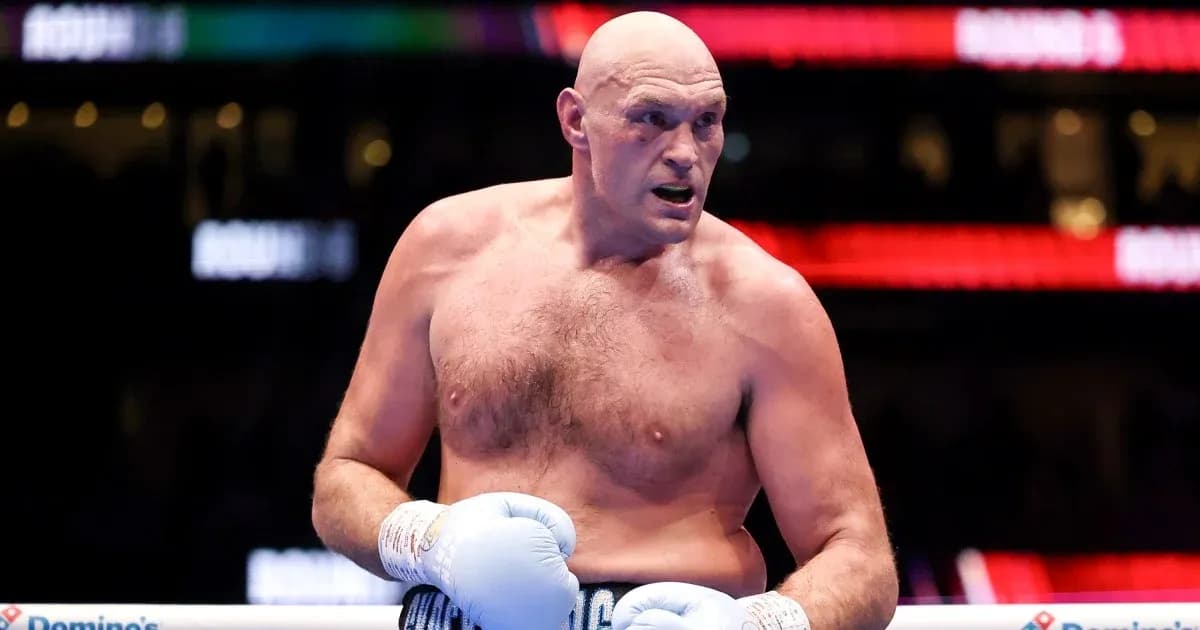
Tyson Fury has spent a career walking into fists and walking out with belts. Now he is stepping into a different kind of ring, one without ropes or judges, and revealing a fight he kept largely hidden at the height of his powers.
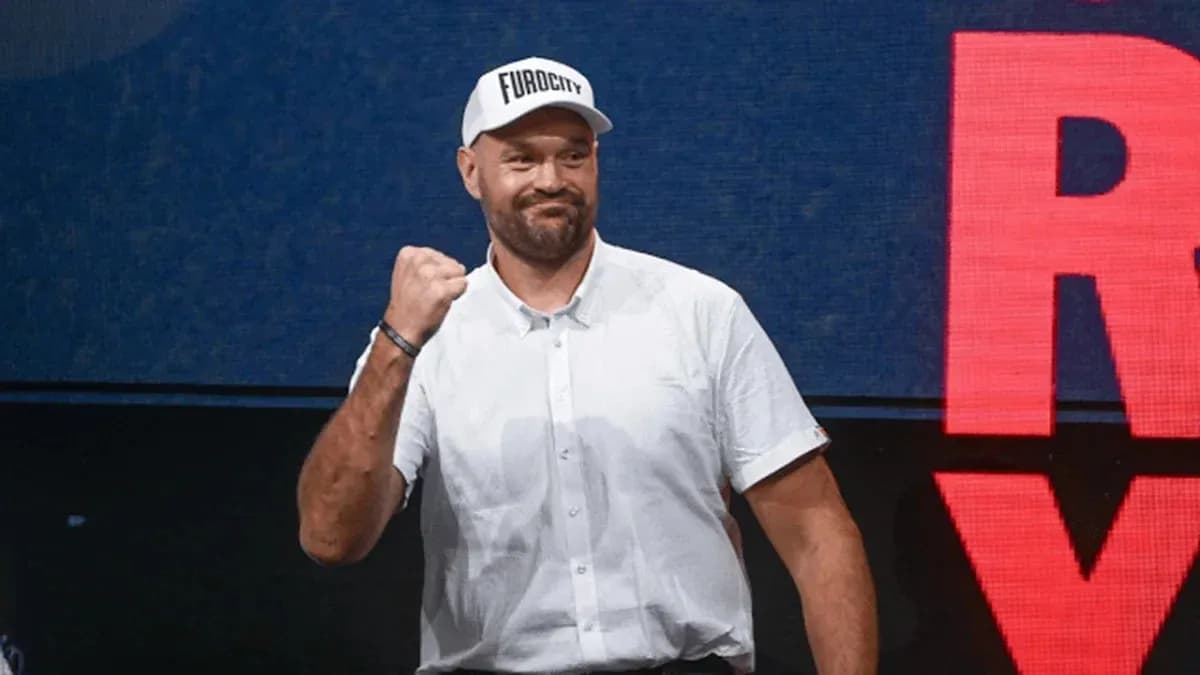
In a new Netflix documentary, Tyson Fury, the former heavyweight world champion discloses that he was diagnosed with schizophrenia in the aftermath of his 2015 victory over Wladimir Klitschko, and later with bipolar disorder in 2017. For a man who built his legend on defiance and bravado, the admission cuts through the persona.
“Words can't explain the darkness I was in,” Fury says in the film, according to Deadline. “I came from the living version of the pits of hellfire, and I 100 percent thought at times I'd end up in a padded room with the door locked, and that scared me so much.”
The timing of that first diagnosis is striking. Fury had just conquered Klitschko, ripped away the titles, and shaken up the heavyweight division. Publicly, he was on top of the world. Privately, he was sinking.
Nights became the enemy. Sleep stopped being a refuge.
“I was waking up in the night like this, the anxiety was crippling me. I just could not overcome it,” he recalls. The undefeated giant who bullied world champions suddenly found himself cornered by something he couldn’t punch, couldn’t outlast, couldn’t intimidate.
Eventually, he reached for help. Fury describes sitting with a psychiatrist in London as she worked through what felt like an endless checklist.
“She asked me like a gazillion questions, and I ticked all the boxes, whatever was going on,” he says, listing “depression, anxiety, bipolar disorder.”
Schizophrenia, as defined by the National Institute of Mental Health, is a serious mental illness that affects how a person thinks, feels and behaves, sometimes bringing hallucinations, delusions and severe difficulty with everyday life. Bipolar disorder brings its own chaos: violent swings in mood, energy and activity levels, with episodes of mania or hypomania crashing into periods of deep depression.
For Fury, the spiral hit a brutal low on Halloween night in 2017. By then, his body no longer resembled that of a world champion. His words in the documentary are unforgiving.
He remembers feeling like “a fat mess, addicted to alcohol,” and realising he could no longer cope alone. The mask had slipped. The bravado couldn’t cover what was happening.
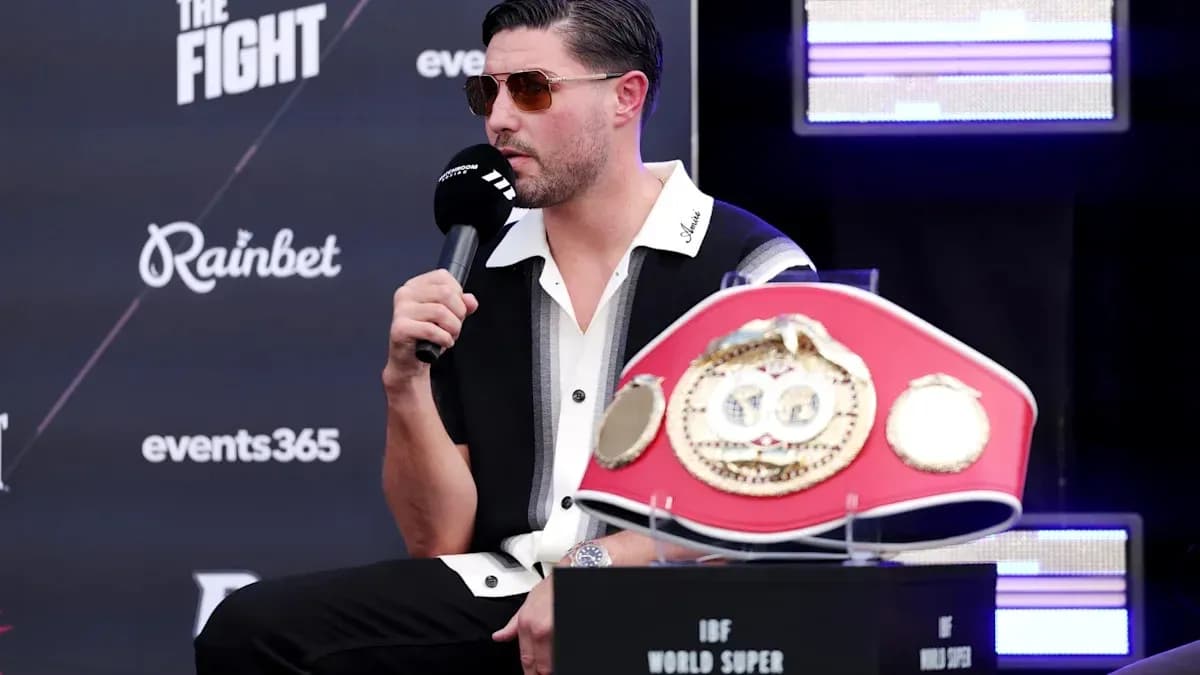
The documentary doesn’t just track Fury’s descent; it holds up a mirror to those around him. His father, John Fury, a hardened figure in British boxing, admits he failed to see what was unfolding in front of him.
“Me being who I am and no understanding of anything, I didn't want to see a depressed kid — and if I did see it, I paid no mind to it,” the 61-year-old says, according to Deadline.
Then comes the line that lands with the weight of its own confession.
“But I understand now. It's an illness, a terrible illness. I suffer with it myself.”
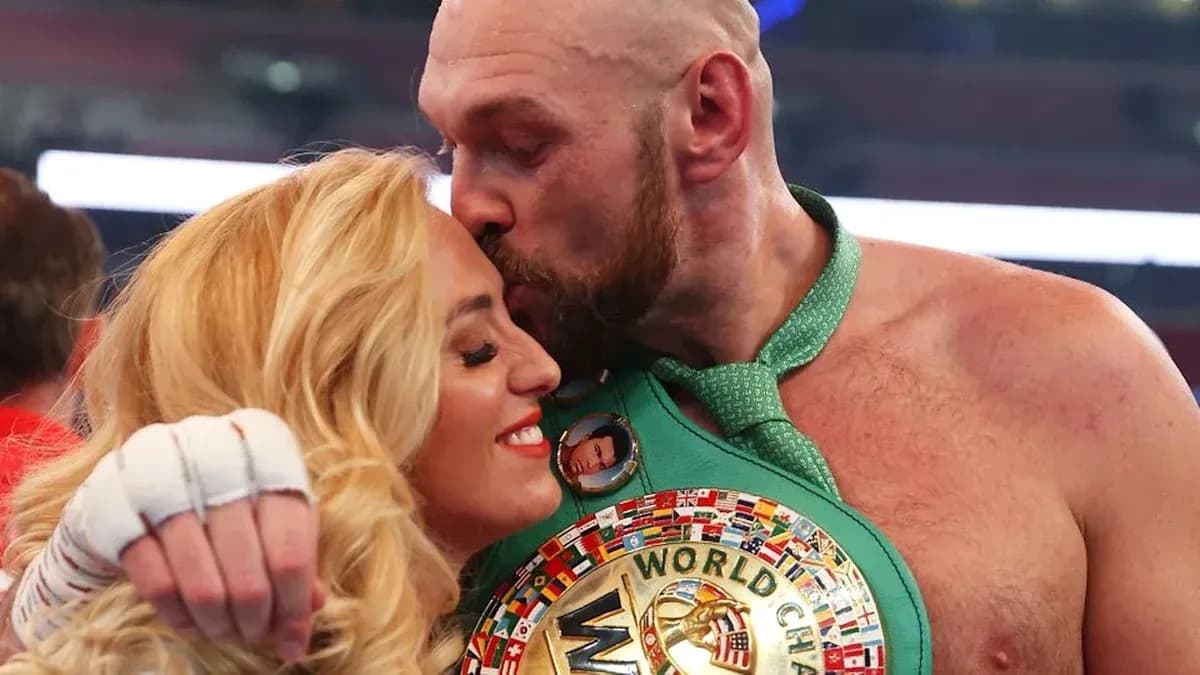
If Tyson’s story exposes the brutality of mental illness, Paris Fury’s perspective shows the collateral damage it inflicts on a family. The couple share seven children — Venezuela, 17, Prince John James, 15, Prince Tyson II, 10, Valencia, 8, Prince Adonis Amaziah, 7, Athena, 5, and Prince Rico Paris, 3 — and Paris describes the fear of watching her husband disappear into himself.
“I was so scared, scared for him. I could see he was gone, he'd flipped the switch,” she says in the documentary, as reported by Sky Sports. This wasn’t the larger-than-life showman who dances to the ring and sings to the crowd. This was someone she barely recognised.
Paris admits she initially struggled to make sense of the labels attached to his condition.
“I'd never heard of bipolar. When someone actually explained it to me, it was: ‘Wow, that's him to a T’,” she recalls.
Those words will resonate far beyond boxing. They speak to families trying to decode behaviour they don’t yet have language for, to partners watching a loved one change in ways they can’t explain.
The release of Tyson Fury is not accidental in its timing. The documentary lands on Netflix on Friday, November 27, just two weeks before Fury steps back into the spotlight for his December 11 showdown with Anthony Joshua, a blockbuster all-British clash that will also stream live on the platform.
For years, Fury’s story has been told through knockdowns and comebacks, through belts won and lost. This time, the tale runs deeper. The man who once feared a locked padded room now walks back into a different kind of arena, his diagnoses no longer hidden, his vulnerabilities laid bare.
When he makes that walk on December 11, the question will linger: for a fighter who has stared into what he calls the “pits of hellfire,” what does fear look like now?