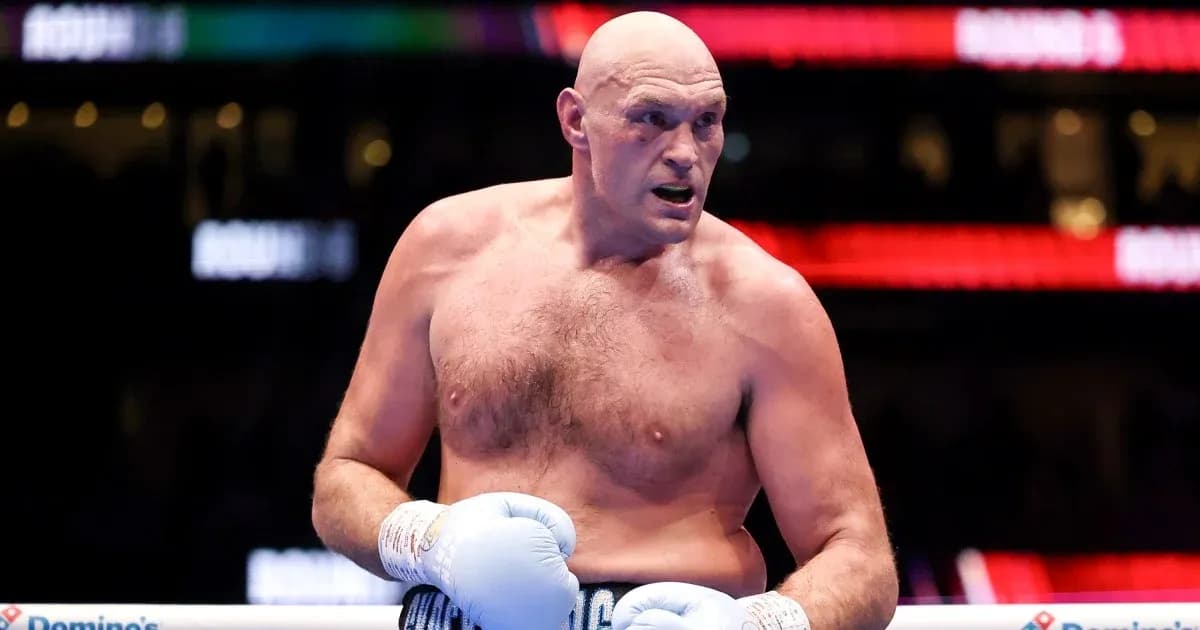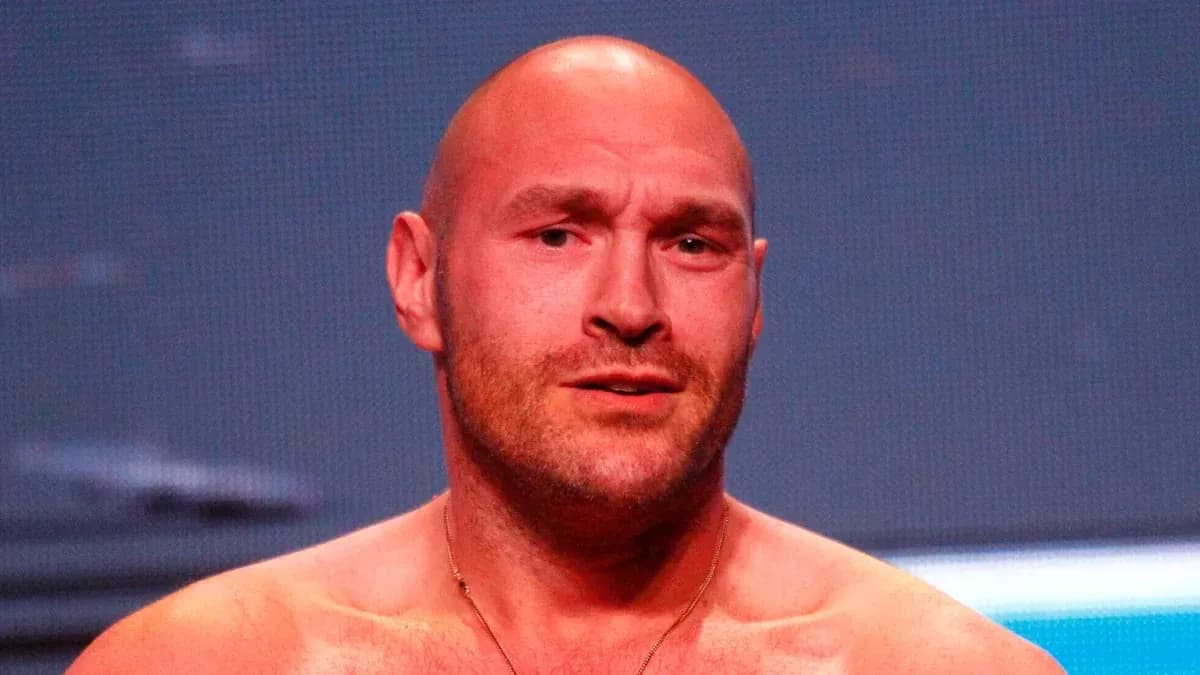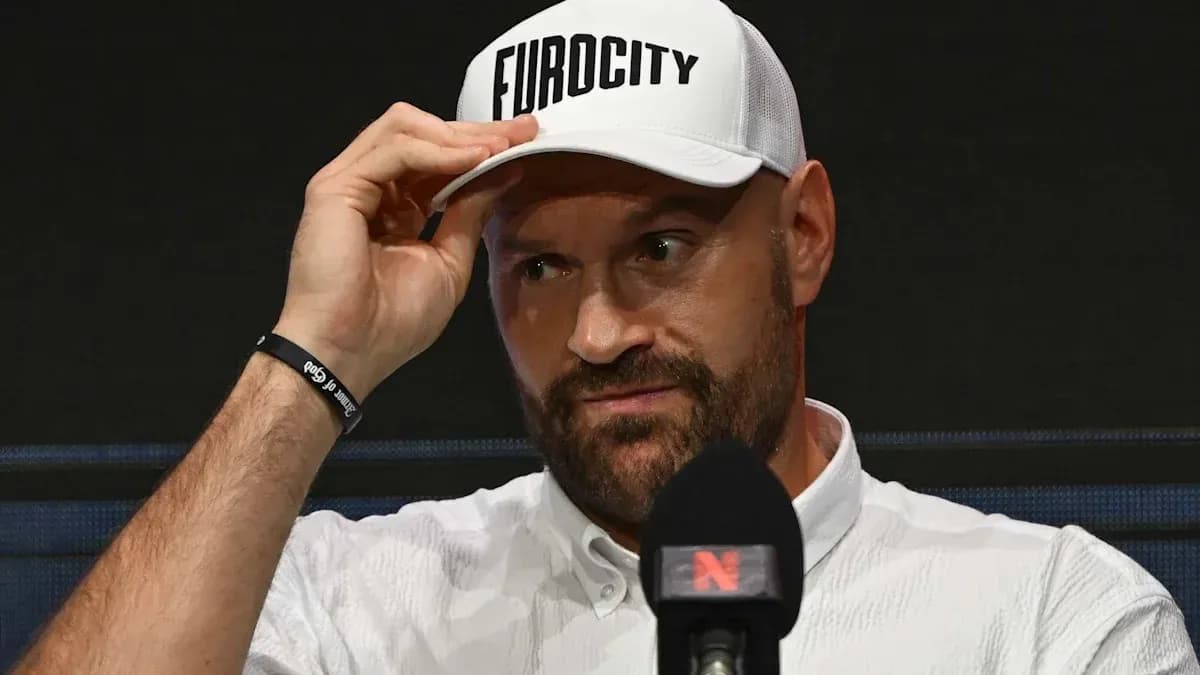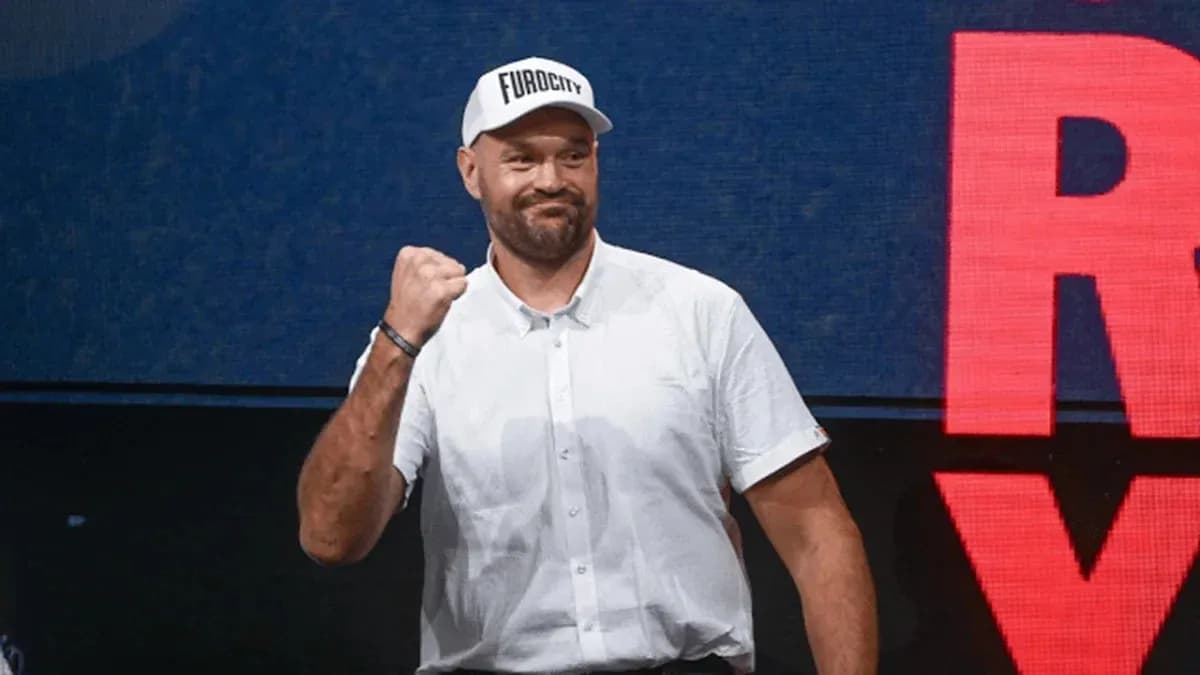
Tyson Fury vs Anthony Joshua: The Decade-Long Anticipation Ends
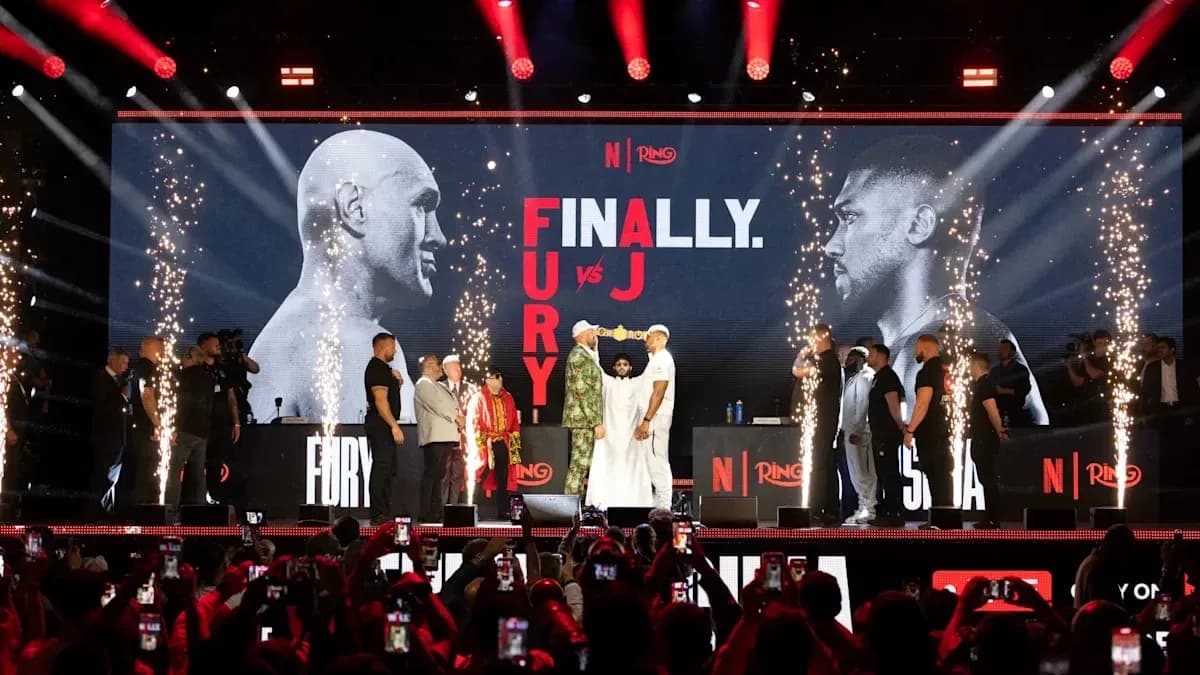
On December 11, at the Principality Stadium in Cardiff, the fight British boxing has argued about for a decade is finally on the calendar: Tyson Fury vs Anthony Joshua, for the WBA “super” heavyweight title, streaming live worldwide on Netflix.
People stopped believing this would ever get over the line. Promoters fell out, broadcasters clashed, contracts collapsed. Yet here it is, ink dry, date set, stadium booked. Two men, one belt, one last grab at supremacy.
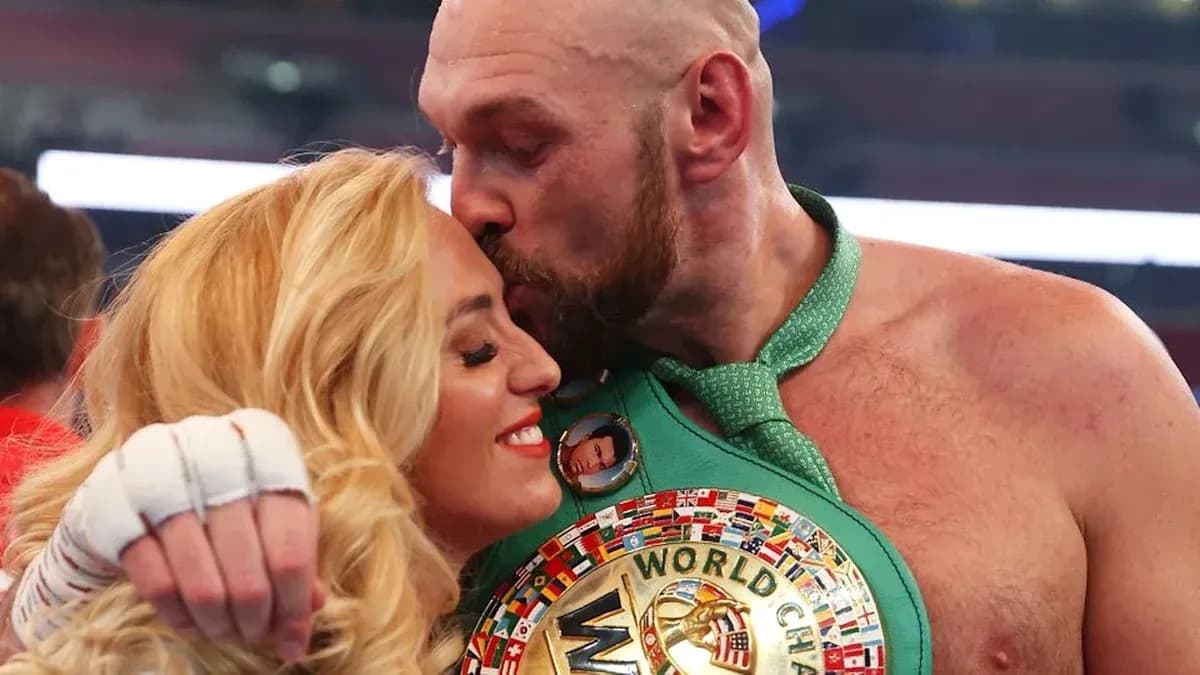
Fury, scarred but still the craftsman
Tyson Fury walks into Cardiff with a record of 36-2-1 (25 KOs) and a career that has swung between genius and chaos.
His masterclass against Wladimir Klitschko in 2015 remains one of the most complete away wins of the modern era. The game plan was razor sharp: feints, angles, awkward rhythms, and a giant frame used like a shield. Years later, in that wild trilogy with Deontay Wilder, “The Gypsy King” showed something else – spite. He didn’t just outbox Wilder; he walked him down, leaned on him, broke him.
The more recent chapters have been rougher. Fury twice ran into Oleksandr Usyk and twice came off second best, the Ukrainian’s precision and discipline unpicking his size and ring craft. After the rematch defeat, Fury did what he has done before: he walked away, retired, closed the door.
It didn’t last. It never does.
He returned this year, beating Arslanbek Makhmudov and Mariusz Wach. The wins steadied the record, but they also raised questions. Against Wach in particular, Fury looked like a man who knows every trick in the book yet can no longer flick through the pages quite as quickly. The timing wasn’t always there. The sharpness dipped. The decline is no longer a theory; it’s visible.
Still, he remains a 6ft 9in puzzle with elite skills, a fighter who can change a round with a feint or a clinch as easily as with a right hand.
Joshua, power, vulnerability and the clock
Across from him will stand Anthony Joshua, 30-4 (27 KOs), the Olympic champion who carried British heavyweight boxing into stadiums and mainstream headlines after London 2012.
Joshua’s best nights came in waves of controlled aggression. He dragged Wladimir Klitschko into a classic at Wembley, survived a knockdown, then detonated a right uppercut that will live forever in highlight reels. Wins over Alexander Povetkin and Joseph Parker cemented him as a unified champion and the face of the division.
The years since have been unforgiving. Joshua’s aura has taken hits, his punch resistance questioned, his certainty shaken. His latest outing underlined the contradictions of this late-career version of AJ. Against Kristian Prenga, he was dropped twice in the opening round, the kind of start that makes a fan’s stomach drop. Then he flipped the script, regrouped, and stopped Prenga in the second.
He can still hurt anyone. He can still be hurt by anyone.
The power remains frightening. The chin, less so. In a fight with Fury, that equation looms over everything.
Joe Joyce’s call: edge to Fury
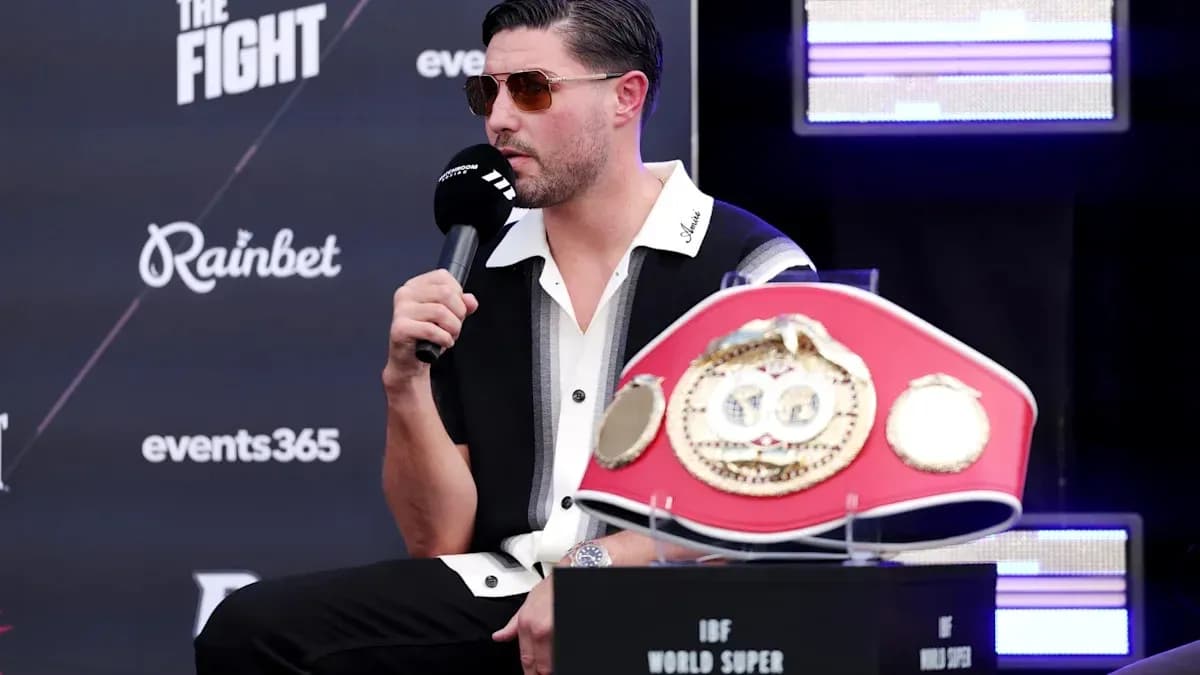
Joe Joyce knows both men well from the British heavyweight circuit. At 16-5 (15 KOs), “The Juggernaut” once looked destined for his own world title shot before back-to-back defeats to Zhilei Zhang stalled his charge.
Asked by The Ring to pick a winner for December 11, Joyce admitted his view has shifted with time.
“I suppose throughout the years it was nip-and-tuck in my mind and I could make an argument for both to win,” he said. “But now I'm going Fury. Just thinking skills-wise and he is the bigger man out of the two. Also, off the back of their most recent fights, that's my pick.”
Then he reached for a comparison that will resonate with anyone who has followed this saga from the start.
“It reminds me of [Floyd] Mayweather and [Manny] Pacquiao because it has been brewing for so long and it's finally happening. But I think heavyweights can go on later so this is shaping up to be a great fight.”
The point is clear: this is the fight that always felt one negotiation away, one rematch clause away, one broadcaster away. At last, it’s here – just not with the same sheen of invincibility either man once had.
Who has more left?
Strip away the noise and the question is brutally simple: who has more left in the tank?
On recent evidence, the smart money leans Fury. He still moves his feet, still reads distance, still knows how to spoil, lean, maul, and nick rounds. Even in decline, his ring IQ remains a level above most heavyweights.
Joshua, by contrast, looks like a fighter who must now live on the edge to win at the very top. His defence has tightened in some areas, but his reactions under fire have slowed, and when he’s caught clean, the damage shows. The notion that his punch resistance has eroded isn’t speculation anymore; it’s been playing out in real time.
Can Joshua knock Fury out? Absolutely. He carries the kind of power that can erase a game plan in a heartbeat. One clean right hand, one uppercut inside, and Fury could be on the canvas, scrambling to rise before the count.
But the path for Joshua feels narrow. He almost has to stop Fury. Outboxing a taller, longer, more fluid heavyweight over 12 rounds has never been his style. Trying to nick rounds off a man who can smother him, tie him up, and reset the pace would be a high-risk gamble.
Fury knows that. He knows Joshua’s route to victory runs through his chin, not the scorecards. Expect him to box, move, frustrate, and pick his moments, wary of walking into the one shot that could flip the night.
That’s why the verdict from Big Fight Weekend falls on Fury by decision. Not because he’s at his peak – that version is gone – but because his toolbox still looks fuller. He has more ways to win, more adjustments to make, more experience in navigating chaos.
Joshua has dynamite. Fury still has the map.
On December 11 in Cardiff, we find out which matters more at the end of an era: raw power, or a fading genius still trying to squeeze one more masterpiece out of a battered frame.