Tyson Fury: Confronting Mental Health in New Documentary
Tyson Fury has never been shy about the darkness. Now he is putting a name to it.
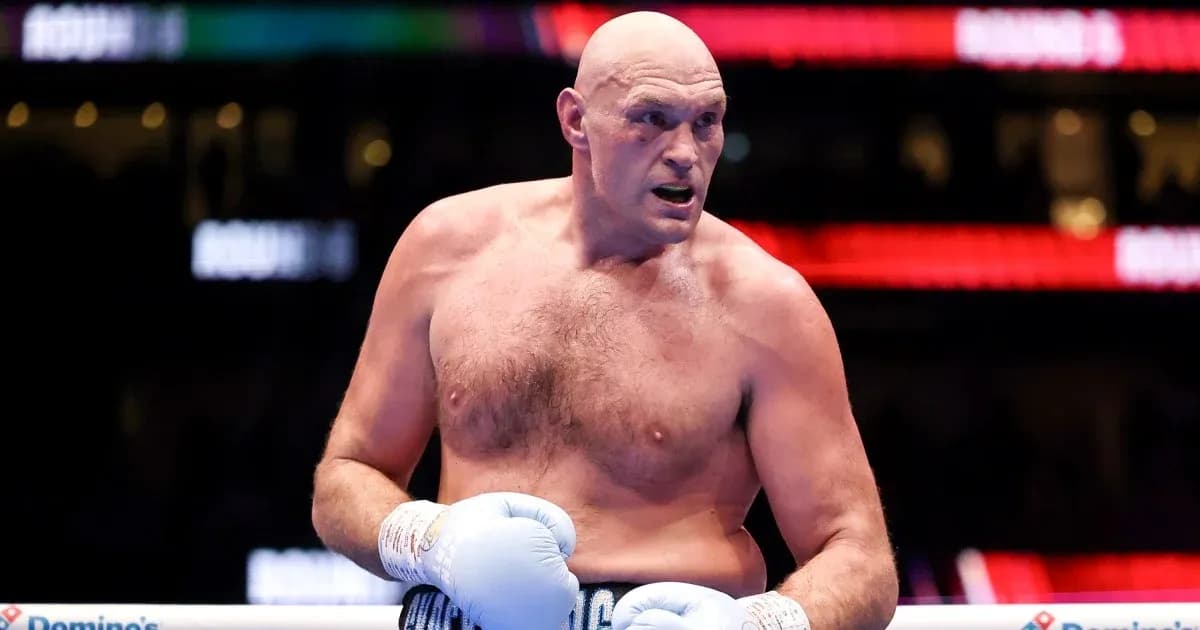
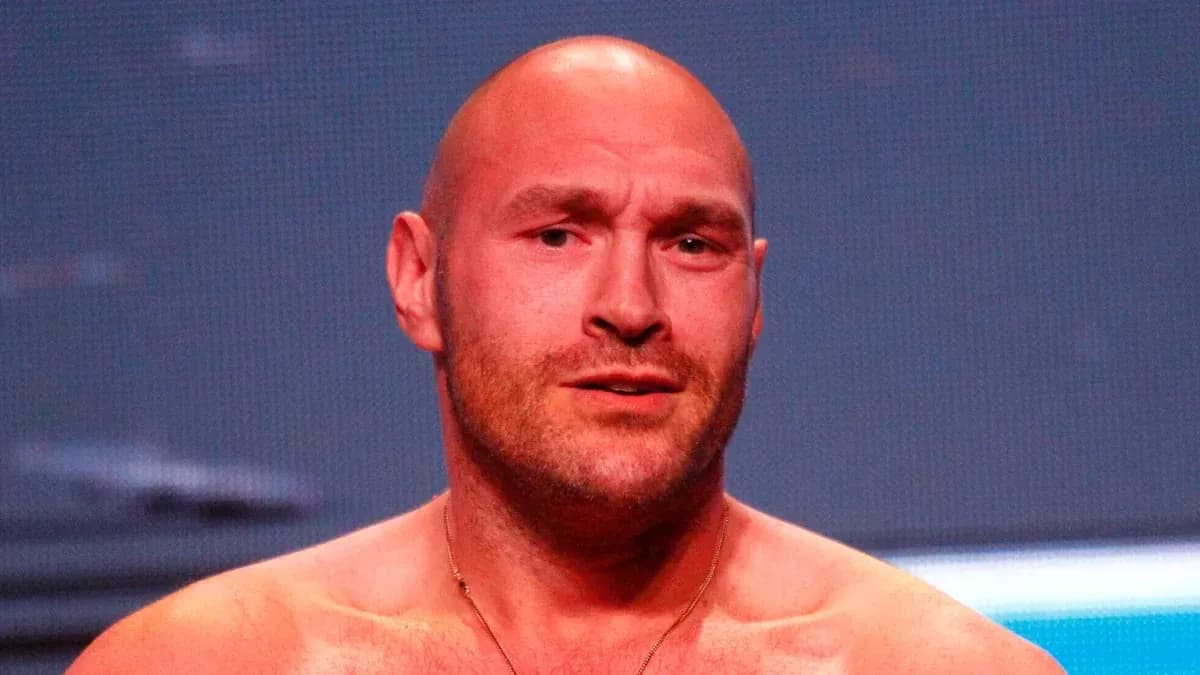
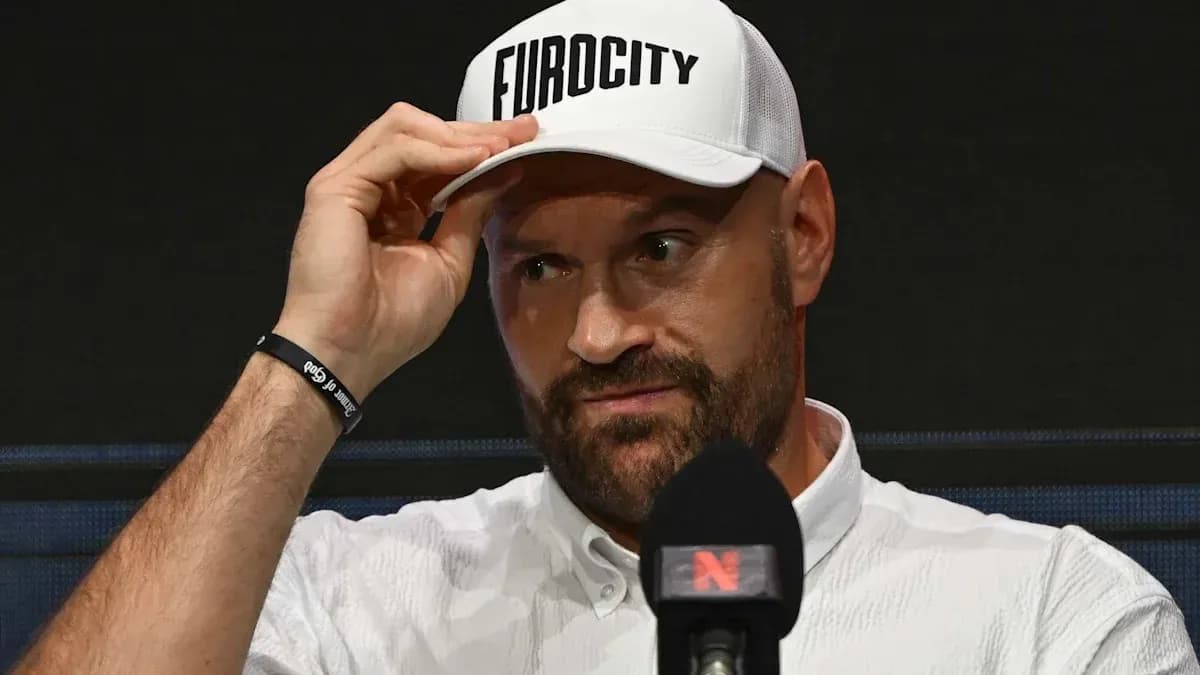
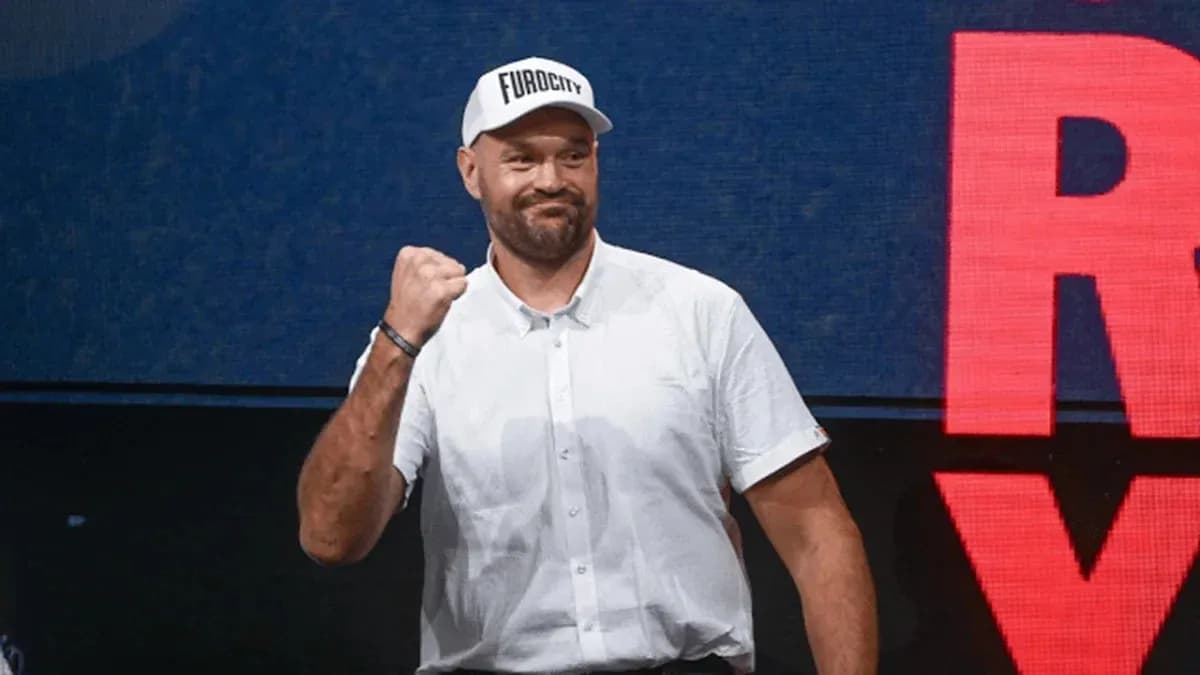
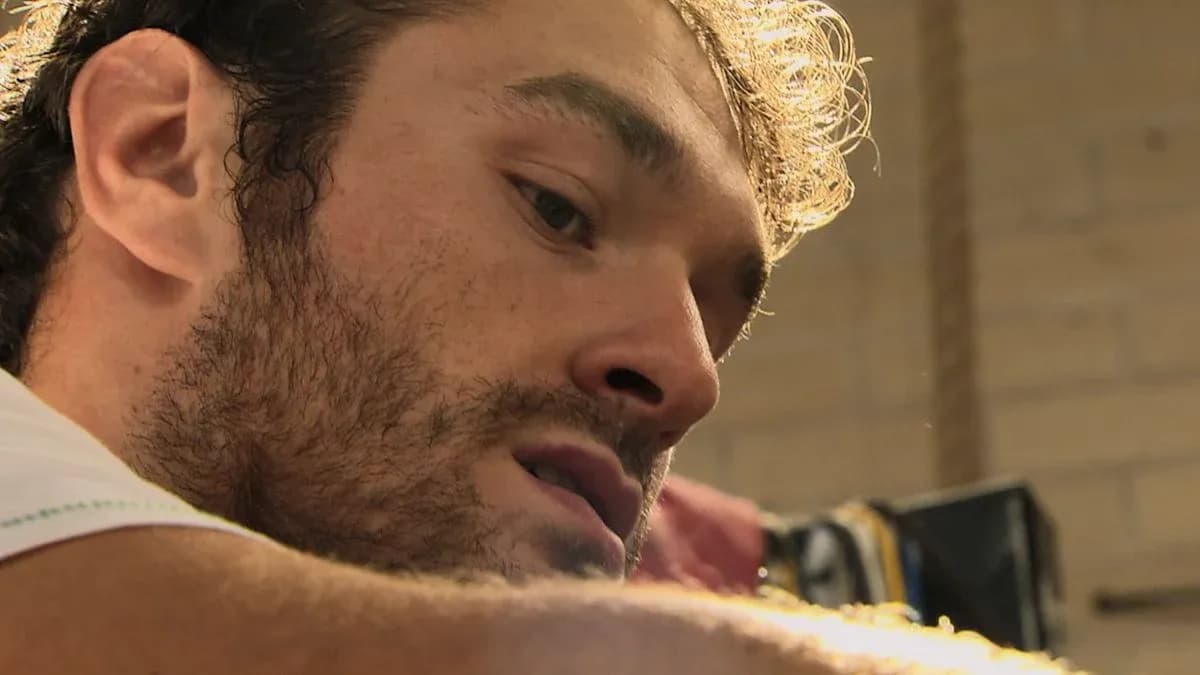
In a new Netflix feature-length documentary, Tyson Fury, the former heavyweight world champion reveals he was diagnosed with schizophrenia shortly after his seismic 2015 victory over Wladimir Klitschko. The film, which lands on the platform on November 27, follows one of British sport’s most volatile, compelling figures as he lays bare the extent of his mental health battles.
Fury also discusses a separate bi-polar diagnosis he received in 2017, opening up on a period when his life spiralled far beyond the reach of any world title belt.
“Words can't explain the darkness I was in,” Fury says in the film, describing the depths he reached after reaching the summit of the heavyweight division. “I came from the living version of the pits of hellfire. And I 100% thought at times I'd end up in a padded room with the door locked, and that scared me so much.”
The anxiety, he explains, became suffocating.
“I was waking up in the night like this, the anxiety was crippling me. I just could not overcome it. Completely gone, and that's when I went and saw the psychiatrist down in London. She asked me like a gazillion questions, and I ticked all the boxes, whatever was going on. Depression, anxiety, bipolar disorder.”
The 90‑minute documentary, produced by Banijay-owned Optomen and directed by Lucy Wilcox, tracks Fury’s journey from a troubled childhood to superstardom and the top of the boxing world. It charts the wild swings: the belts, the breakdowns, the comebacks, and the constant presence of a mind at war with itself.
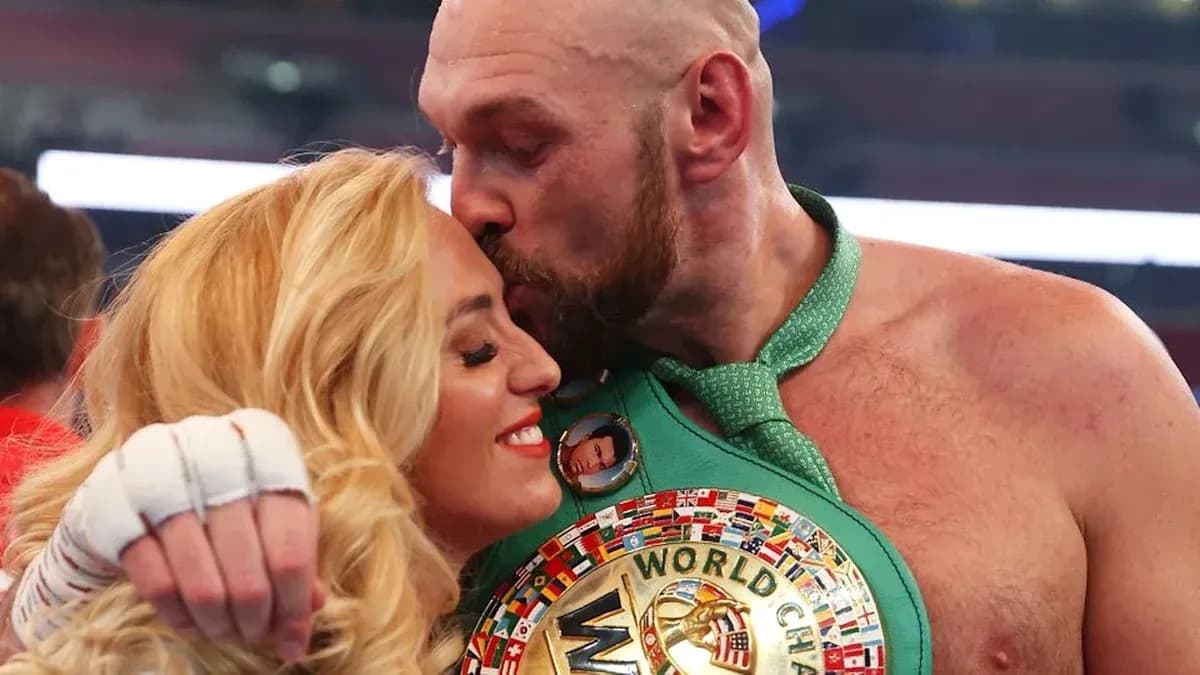
His family are not bystanders in the story. His wife, Paris Fury, and his father, John Fury, both speak candidly about living alongside his illness.
“I can tell you this: When I look back, it's always been there,” says John Fury. “Me being who I am and no understanding of anything, I didn't want to see a depressed kid – and if I did see it, I paid no mind to it. But I understand now. It's an illness, a terrible illness. I suffer with it myself.”
The film lingers on a pivotal night: Halloween 2017. Fury describes it as the moment everything finally snapped into focus.
“I went out and I was embarrassed of how I looked,” he says. “I was a fat mess and I had this big costume on, a glow in the dark skeleton suit and I thought no one would recognise me in this.
“And I looked around me and I could see all like young people and I thought I've had the world in my hands and I threw it all away. And now, I'm just a fat mess, addicted to alcohol and, go home. I just said, 'I can't do this on my own anymore. I need your help.' And that was the part, the comeback.”
From that moment, the film traces the slow, painful turn from self-destruction back towards discipline and purpose, placing his mental health struggles at the centre of his story rather than as a footnote to his achievements in the ring.
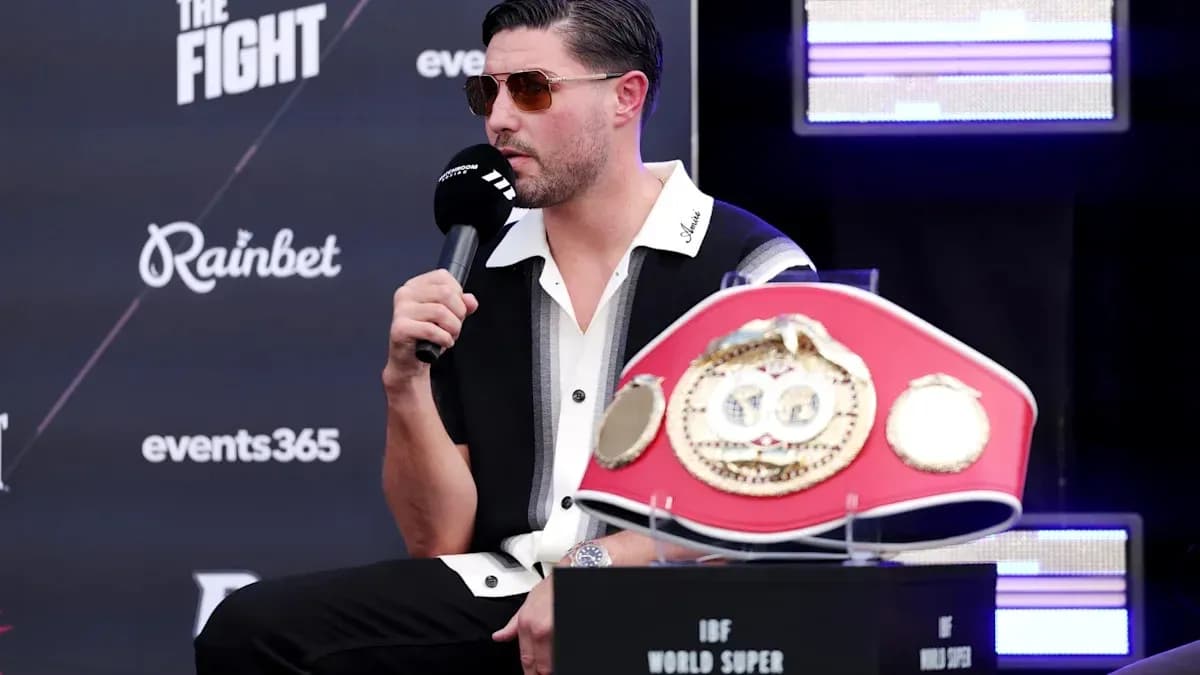
Executive produced by George Waldrum, Tyson Fury arrives at a carefully chosen time. Two weeks after the documentary drops, Netflix will live-stream Fury’s blockbuster showdown with fellow British heavyweight great Anthony Joshua.
For a fighter who has spent a career walking the line between chaos and control, the timing feels deliberate. Viewers will see the man who once feared ending up in a locked room step back under the brightest lights the sport can offer.