Tyson Fury's Battle with Mental Health: A Journey Through Darkness
Tyson Fury had the world in his hands. Then the voices came.
Fresh from ripping the heavyweight crown from Wladimir Klitschko in 2015, the self-styled Gypsy King should have been entering his reign. Instead, as he now reveals, he was sliding into a private nightmare that would almost consume him.
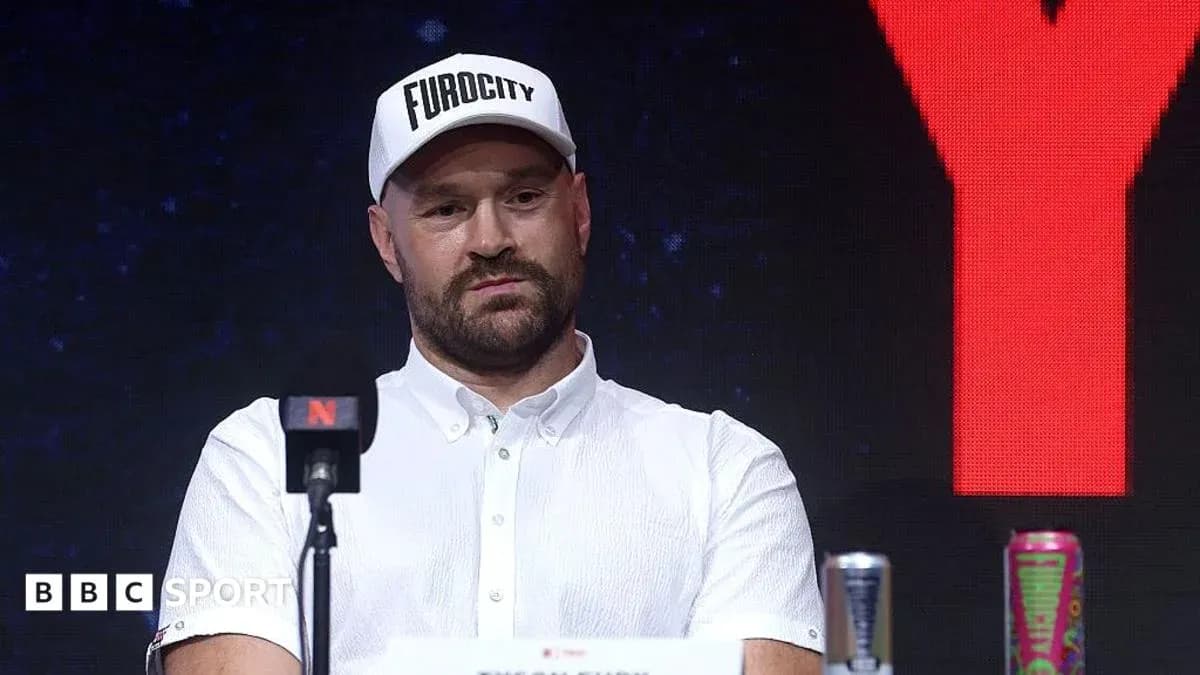
In a new Netflix documentary released on Friday, Fury, now 38, lays bare the period after that famous night in Düsseldorf. The belts were his. The adulation was his. But so, he says, were the hallucinations, the delusions and the crushing fear.
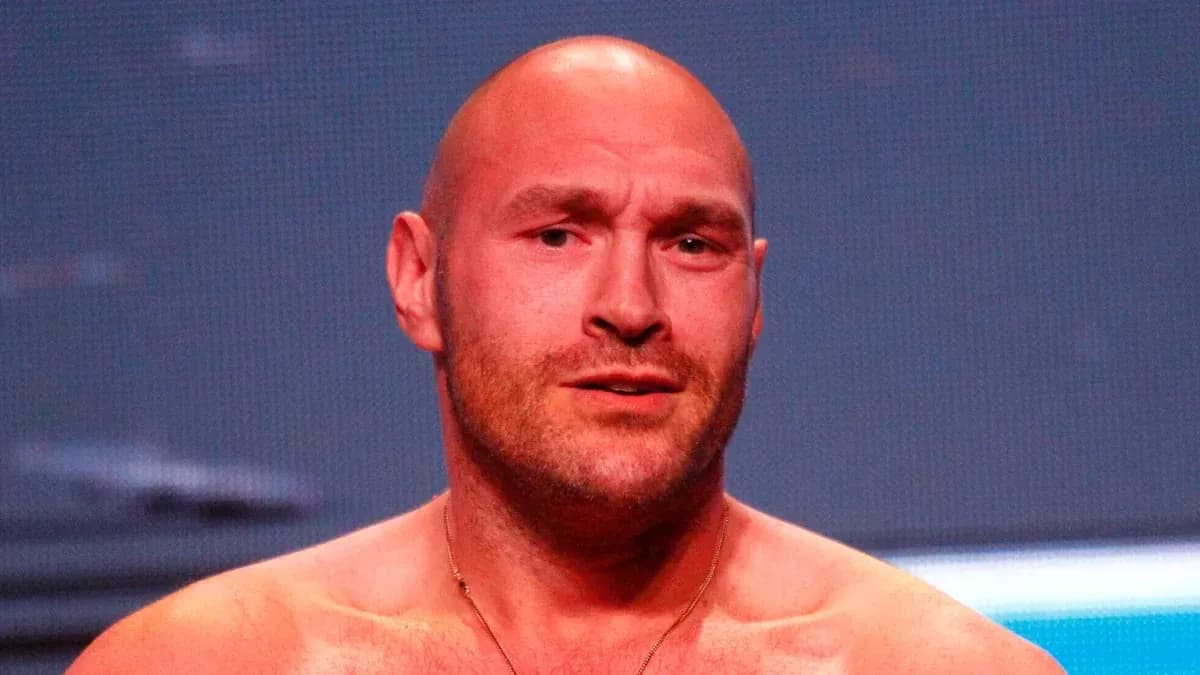
“I heard voices in my head threatening to hurt me and my family,” Fury says. “Words can’t explain the darkness I was in. It was like a living version of the pits of hell.”
The descent gathered pace in June 2016. Fury was rushed to hospital with what doctors initially believed was a heart attack. Tests said otherwise. His mind, not his heart, was in crisis.
He recalls lying there, convinced the radio was speaking directly to him. Convinced shadowy forces were closing in.
He begged his wife Paris to get him out.
He was sure “the Illuminati” were after him.
Paris appears alongside him in the documentary, describing the chaos of that spell and the fear of watching the world champion unravel. Fury talks of being unable to hold a simple conversation because of the noise in his head, the constant stream of intrusive voices that would not relent.
“I didn’t know where to turn and no-one knew what to do,” he says. “I really needed help, or check into rehab or something. I never got a break from it for years. I wanted to be what I thought was normal again.”
A psychiatrist in London became a crucial figure. Fury recalls being grilled with “a gazillion questions”, ticking box after box: depression, anxiety, bipolar disorder. After his release from hospital, he was diagnosed with schizophrenia and bipolar disorder.
The NHS describes schizophrenia as a form of psychosis, marked by hallucinations, delusions and muddled thoughts and speech. Bipolar disorder, it says, is characterised by extreme changes in mood. Fury was living both realities while the public only saw the headlines: the weight gain, the erratic behaviour, the drugs and alcohol.
The physical decline mirrored the mental spiral. The once-lean champion ballooned in weight. Nights out blurred into each other. The man who had climbed to the summit of heavyweight boxing could barely look at himself.
Turning Point
Then came Halloween 2017.
Fury calls it his turning point. No grand revelation in a gym. No stirring training montage. Just a man in a glow-in-the-dark skeleton suit, hiding behind a full-face mask, standing in a club and drowning in shame.
“I went out and I was embarrassed by how I looked,” he says. “I was a fat mess and I had a glow-in-the-dark skeleton suit with full face mask on.
“I looked around and could see all the young people and I thought, ‘I had the world in my hands and I threw it all away, and now I’m a fat mess addicted to alcohol’.”
That moment cut through the fog. The self-loathing, for once, didn’t push him further under. It jolted him. From there, Fury says, came the slow, stubborn climb back: first a renewed focus on his family, then the grind of training, then the improbable return to the top.
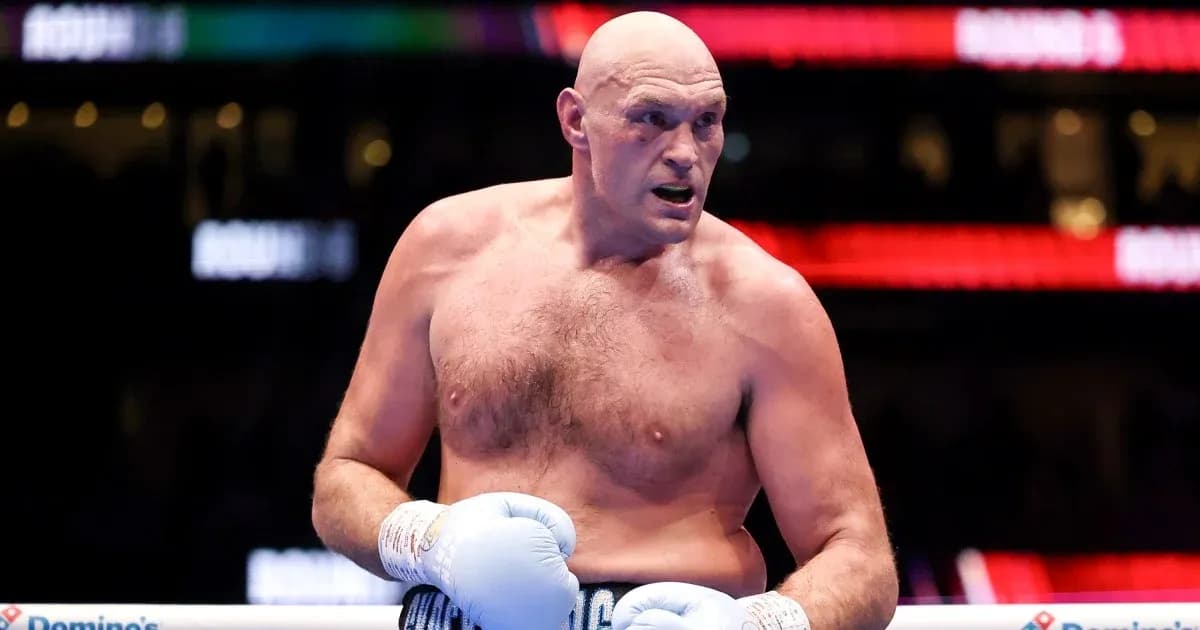
The comeback took him all the way to another world title in 2020, when he dismantled Deontay Wilder to reclaim his place at the summit of the division. The same man who once thought he would end up “in a padded room with the door locked” was back under the lights, back with a belt around his waist.
Yet the documentary makes clear that this is not a simple redemption tale. The diagnoses of schizophrenia and bipolar disorder do not vanish with a victory. The anxiety that once “crippled” him does not disappear with a ring walk. Fury’s story is one of survival and management rather than cure.
Now he stands on the brink of another seismic night.
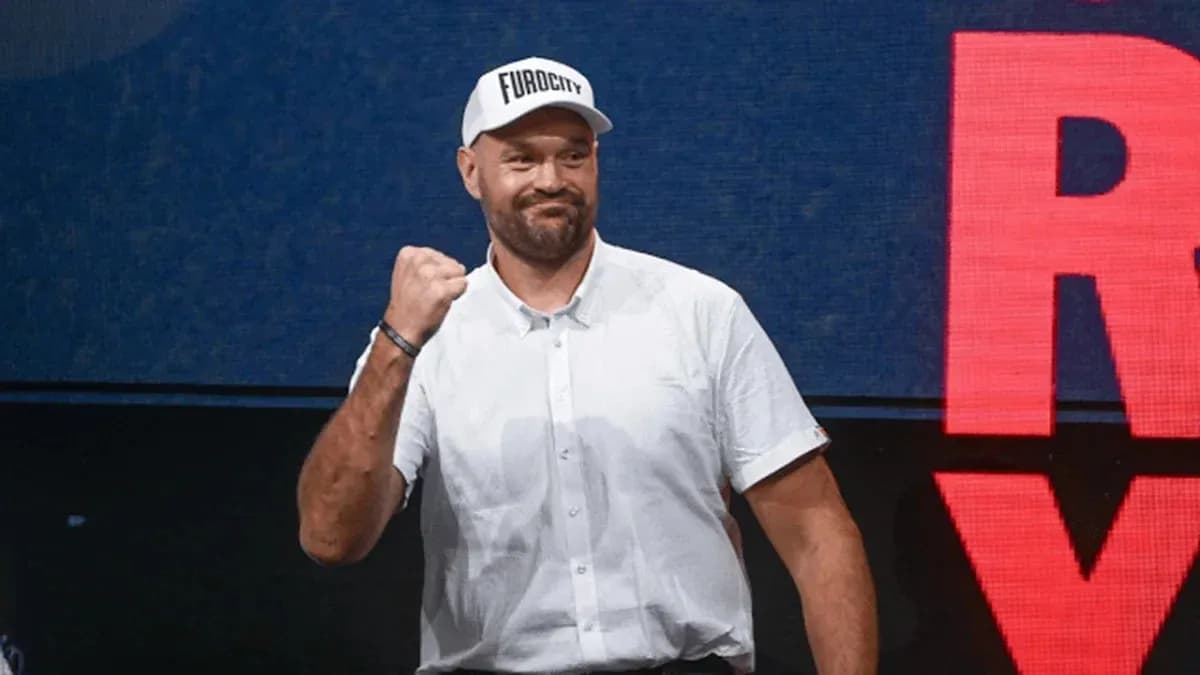
An all-British heavyweight showdown with Anthony Joshua awaits in Cardiff on 11 December, a fight years in the making and loaded with history, ego and consequence. Netflix will broadcast it live, turning the latest chapter of Fury’s career into a global event.
The public will see the showman again: the walk, the songs, the taunts, the theatre. The documentary pulls the curtain back on what it cost him to get there – and what it still costs to stay.